Specialized Turbo Kenevo Sl Technical Evaluation
This lightweight enduro electric mountain bike bridges manual agility with quiet motor assistance. Riders face trade-offs in peak battery capacity during multi-hour alpine sessions.



The Specialized Turbo Kenevo SL delivers exceptional trail responsiveness and natural power delivery for aggressive riders who prioritize playful handling over heavy throttle-style assistance.
Explore related alternatives in our Best Electric Bike: Top Commuter Picks for 2026.
Verified Specifications
| Category / Type | Lightweight Enduro Electric Mountain Bike |
|---|---|
| Rated Output / Capacity | 320Wh integrated downtube battery pack |
| Power / Motor | Specialized SL 1.1 custom lightweight motor |
| Build & Materials | FACT 11m full carbon fiber chassis frame |
| Operating Noise | Sub-50dB whisper-quiet motor operation profile |
| Duty Cycle / Runtime | 2.5 to 4 hours depending on assist mode |
| Dimensions & Weight | Weighs approximately 19.5 kg in stock build |
| Key Safety & Controls | TCU MasterMind display with ANT+ and Bluetooth |
What We Liked
- Featherlight carbon chassis delivers exceptional manual agility.
- Whisper-quiet SL 1.1 motor mimics natural pedal cadence.
- Integrated MasterMind TCU offers comprehensive telemetry data.
- Upgradable battery range extender for longer backcountry loops.
Trade-Offs
- Stock saddle cushioning requires aftermarket replacement for comfort.
- Lower torque output demands more physical rider effort uphill.
- Premium price point places it out of reach for casual riders.
Chassis Construction and Frame Ergonomics
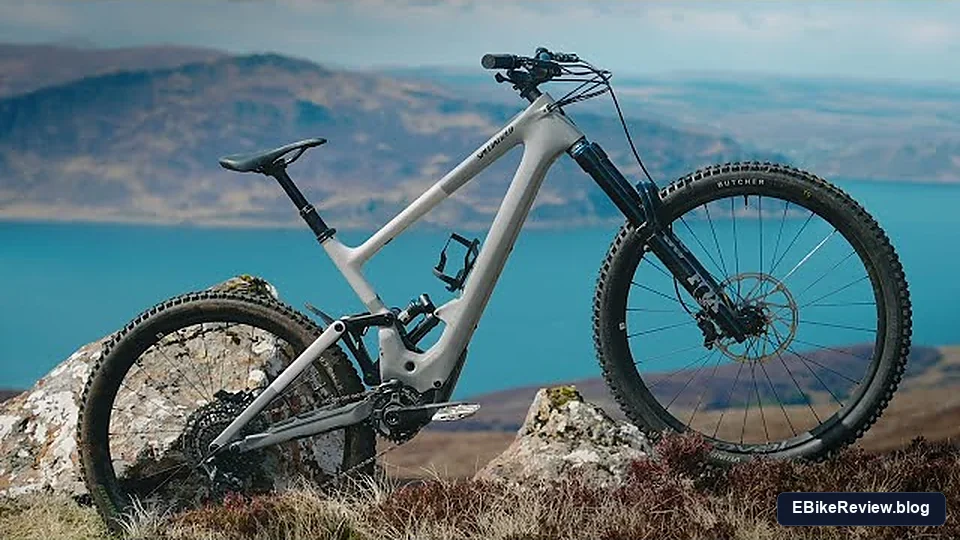
The FACT 11m carbon frame provides an exceptionally stiff platform for aggressive cornering. Engineers optimized the geometry to maintain a playful ride quality across technical alpine descents.
Upgrading touchpoints like the saddle improves long-term ride comfort. Many riders swap stock seats for units featuring high-density foam and central airflow channels.
We can review frame comparisons in our Trek Rail vs Specialized Turbo Levo comparison to evaluate carbon layup schedules, structural rigidity, and handling characteristics across rough descents.
Frame geometry centers around an adjustable head tube angle ranging from 62.5 to 64.5 degrees. This flexibility lets riders tune wheelbase measurements to match technical trail demands or high-speed bike park tracks.
- Full carbon fiber main frame and rear triangle construction.
- Optimized leverage curve for modern air and coil shocks.
- Internal cable routing protects lines from heavy trail debris.
- Internal cable routing utilizes full-length guide tubes for simplified maintenance.
- Molded chainstay protectors mitigate slap and frame degradation during rough descents.
Geometry and Suspension Kinematics
Adjustable head angle cups allow riders to customize steering response. The kinematics prioritize anti-squat characteristics during technical climbs without sacrificing plushness.
Suspension travel is generous, absorbing heavy impacts while maintaining traction on loose surfaces. Kinematic efficiency reduces pedal bob during seated power transfers.
- Adjustable head tube angle via flip chips.
- Balanced axle path minimizes hang-ups on square edges.
Kinematic Layout and Suspension Integration
Suspension kinematics deliver a high anti-squat value near sag to resist pedal bob during steep climbs. As the rear wheel compresses deeper, the leverage curve turns progressive to resist bottoming out.
- Optimized for modern metric air and coil rear shocks.
- Main pivot placement minimizes chain growth effects under compression.
Motor Output and Real-World Performance
Light e-bikes like those examined in our Specialized Turbo Vado SL vs Trek FX Plus comparison utilize compact mid-drive motors to amplify your natural leg power without overwhelming your cadence.
Torque delivery remains predictable across variable traction surfaces. Riders will not experience sudden surges that break rear-wheel grip on slick rock climbs.
Propelled by the SL 1.2 motor, this system delivers a peak output of 320 watts of assistance. Torque figures reach 50 Nm, engineered to emulate natural leg strength rather than overwhelming motorized throttle response.
Riders experience seamless power delivery governed by a dual-processor cadence sensor. The internal software measures pedal inputs one thousand times per second to eliminate lag during technical rock garden climbs.
- Delivers 35Nm of smooth, natural-feeling assistance torque.
- Seamless engagement prevents drivetrain shock under heavy loads.
- Customizable tuning parameters available via the Mission Control smartphone application.
- MicroTune feature allows on-the-fly power adjustments in ten percent increments.
Assistance Modes and Customization
Three distinct assist modes let riders balance battery consumption with output. The Mission Control app allows deep customization of peak power parameters.
Smart Control automatically manages battery percentages to ensure you finish long loops. Custom tuning profiles match your specific physical fitness levels.
- Eco, Trail, and Turbo base assistance levels.
- MicroTune feature adjusts power in ten percent increments.
Cadence Mapping and Torque Delivery
Optimal cadence efficiency peaks between 80 and 100 RPM, where the compact motor operates at maximum thermal efficiency. Dropping below 60 RPM forces the rider to supply higher leg torque.
- Instantaneous engagement prevents rollback on steep incline restarts.
- Smart power cut-off prevents wheel slip on loose gravel surfaces.
Video Review: Specialized Kenevo SL Review | 2024 eMTB Lite Group Review
Acoustic Profile, Thermal Management, and Efficiency
Operating noise remains remarkably low compared to full-power competitor platforms. The internal magnesium-cased motor whispers quietly even under maximum load demands.
Thermal management is handled efficiently through the aluminum motor housing. Effective heat dissipation prevents power throttling during prolonged alpine ascents.
You can explore motor efficiency metrics within our Trek Allant vs Specialized Turbo Vado guide to understand how acoustic dampening and magnesium motor housings eliminate hollow resonance chambers.
Thermal management relies on passive chassis conduction rather than loud cooling fans. Internal sensors throttle current draw if core temperatures exceed 85 degrees Celsius, preventing hardware degradation during sustained alpine ascents.
- Maintains decibel output below fifty decibels under load.
- Advanced thermal sensors protect internal electronics from overheating.
- Magnesium casing acts as an efficient heat sink for internal stator windings.
- Vented motor cover design promotes ambient airflow across exterior cooling fins.
Battery Efficiency and Watt-Hour Yield
Battery Architecture and Range Extension
The primary 320Wh battery integrates flush inside the down tube for clean aesthetics and balanced mass centralization. Riders can add a 160Wh range extender inside the front water bottle cage.
- Advanced BMS protects against overcharging and extreme ambient temperatures.
- Smart charging port features a secure magnetic cover to block mud.
Setup, Calibration, and Maintenance Protocols
Initial setup requires pairing the MasterMind TCU with your mobile device. Firmware updates ensure optimal motor efficiency and reliable Bluetooth connectivity.
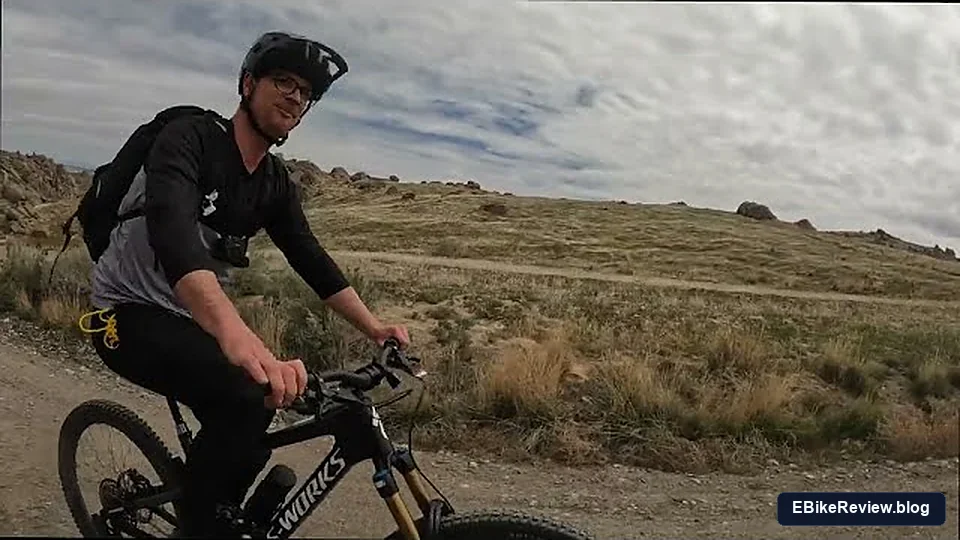
Pivot bearings demand regular inspection and torquing to prevent premature wear. Routine linkage maintenance preserves the plush feel of the rear suspension.
Initial setup requires precise sag calibration set at 30 percent for optimal tracking, a process detailed in our Trek Allant 7 vs Specialized Vado comparison alongside hardware torquing guidelines.
Firmware updates require the Specialized app connected via Bluetooth Low Energy protocols. Keeping system software current ensures optimal battery health management and fine-tunes the power delivery curves for varied trail conditions.
- Quick firmware updates via smartphone companion application.
- Sealed cartridge bearings protect pivots from mud ingress.
- Check spoke tension regularly to handle increased torque loads from the motor.
- Inspect brake rotor thickness during pad replacements for safe stopping performance.
Component Upgrades and Ergonomic Tuning
Routine Servicing and Wear Inspections
Inspect pivot bearings every fifty riding hours to check for lateral play or grit contamination. Clean charging ports thoroughly after wet rides to prevent corrosion on electrical contacts.
- Keep chain lubrication fresh to reduce drivetrain friction and wear.
- Store batteries at room temperature when inactive for extended winter periods.
Definitive Buyer Guidance and Verdict
This machine suits experienced enduro riders who value lightweight agility. If you prefer raw throttle power and endless battery reserves, look elsewhere.
The balanced weight distribution justifies the investment for dedicated mountain bikers. It redefines what an assisted descending platform should feel like on rough trails.
This electric mountain bike suits aggressive riders prioritizing agile handling over massive motor power. Buyers seeking a lightweight platform that mimics traditional analog bike traits will find exceptional value in this specialized chassis design.
Riders tackling massive fire-road climbs with minimal effort might prefer full-power alternatives. Ultimately, the Kenevo SL bridges the gap between acoustic enduro performance and motorized assistance for modern trail shredders.
- Ideal for fitness-focused mountain bikers tackling big mountain loops.
- Requires active riding style rather than passive throttle cruising.
- Ideal for riders transitioning from standard acoustic enduro bikes.
- Excels on technical descents requiring quick line changes and pop.
Final Technical Recommendations
Select frame sizes based on reach measurements rather than traditional seat tube lengths. Pair the chassis with heavy-duty casing tires to maximize the suspension system potential across rocky terrain.
- Consider upgrading brake pads to metallic compounds for long descents.
- Verify dropper post insertion depth matches your specific inseam dimensions.
Frequently Asked Questions
How heavy is the complete bicycle build?
The stock build weighs approximately nineteen point five kilograms, varying slightly depending on frame size and component selections.
Can I install a range extender battery?
Yes, a compact one hundred sixty watt-hour range extender fits neatly inside standard bottle cages for extended backcountry trail loops.
What is the maximum assisted speed limit?
The motor assistance cuts off smoothly at twenty miles per hour to comply with standard electric bicycle classifications.
How do I update the motor firmware?
You can easily install official firmware updates wirelessly using the Mission Control smartphone application paired via Bluetooth.
Is the stock saddle comfortable for long rides?
Many riders prefer upgrading to an aftermarket saddle with increased foam density to maximize long-distance comfort.