Specialized S Works Turbo Creo Sl Technical Review
This lightweight electric road machine delivers exceptional climbing support. However, its specialized proprietary components limit aftermarket customization options.

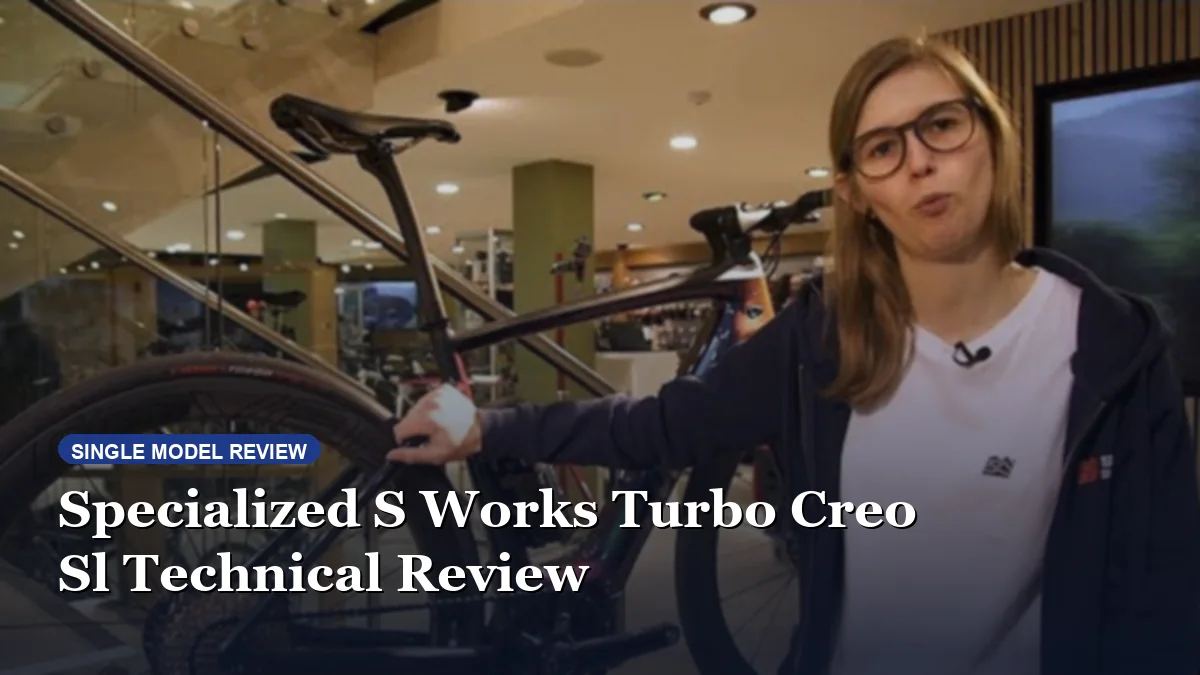
The Specialized S Works Turbo Creo Sl redefines high-end assisted cycling with remarkable frame integration. Buyers seeking uncompromised carbon craftsmanship will find few performance rivals in this tier.
Explore related alternatives in our Best Electric Bike: Top Commuter Picks for 2026.
Verified Specifications
| Category / Type | Lightweight Electric Road & Gravel Bike |
|---|---|
| Rated Output / Capacity | 320Wh internal battery with optional 160Wh range extender |
| Power / Motor | Specialized SL 1.1 custom lightweight mid-drive motor |
| Build & Materials | FACT 11r carbon fiber frame and fork construction |
| Operating Noise | Under 50 decibels under maximum climbing load |
| Duty Cycle / Runtime | Up to 80 miles in Eco mode with range extender |
| Dimensions & Weight | Approximately 26.5 pounds in standard size medium build |
| Key Safety & Controls | TCU master control unit with ANT+ and Bluetooth integration |
What We Liked
- Featherweight carbon chassis rivals traditional analog road bike handling.
- Whisper-quiet mid-drive motor engagement provides natural pedal transition.
- Exceptional range extension capability via modular auxiliary battery packs.
- Integrated Future Shock 2.0 dampens high-frequency road vibrations effectively.
Trade-Offs
- Proprietary motor and battery ecosystem restricts third-party replacement options.
- Premium component tier commands a severely prohibitive financial barrier.
- Lack of removable main battery complicates off-bike indoor charging scenarios.
Frame Architecture and Composite Layout
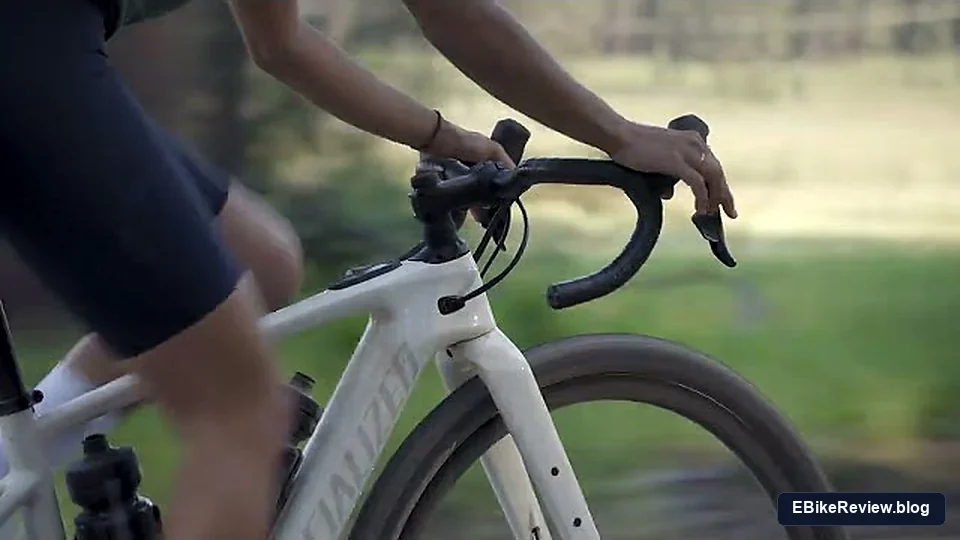
The FACT 11r carbon frame construction prioritizes vertical compliance without sacrificing lateral rigidity. Engineers optimized tube profiles to absorb severe road impacts while maintaining precise steering geometry.
Internal cable routing keeps the aerodynamic profile remarkably clean. Every junction reinforces structural integrity while reducing overall chassis weight significantly for effortless climbing performance.
The FACT 11m carbon frame utilizes advanced layering schedules to optimize stiffness-to-weight ratios. Weighing roughly 1,150 grams for a medium size, it balances endurance compliance with efficient power transfer across rough pavement.
Future Shock 3.0 technology offers 20mm of travel directly beneath the stem, isolating the upper body from high-frequency chatter. Torquing headset fasteners requires a strict 4 Nm limit to prevent structural damage.
- Advanced FACT 11r carbon layup structure
- Integrated Future Shock 2.0 head tube dampening
- Clean internal cable routing architecture
Future Shock Integration
The proprietary Future Shock 2.0 damper provides twenty millimeters of tunable travel. This mechanical dampening system isolates the handlebars from rough pavement, reducing upper body fatigue.
Riders can easily adjust hydraulic damping on the fly via the top-cap dial. This mechanism ensures stable handling across deteriorating tarmac and light gravel surfaces.
- Tunable hydraulic damping dial
- Twenty millimeters of vertical travel
Powertrain Dynamics and Torque Delivery
The specialized SL 1.1 motor delivers 35 Nm of torque directly to the bottom bracket. This output is evaluated further in our specialized turbo comparison without introducing jarring acceleration spikes.
Dual torque and cadence sensors monitor pedal pressure one thousand times per second. The onboard firmware calculates assistance levels instantaneously for an exceptionally intuitive ride feel.
Maximum assisted speed aligns with strict regional regulations, providing seamless power cut-offs. Coasting resistance remains virtually nonexistent when operating above the motorized assistance threshold.
The SL 1.2 motor delivers up to 320 watts of peak power and 50 Nm of torque. Internal gearing utilizes a custom magnesium casing to reduce rotational inertia and improve overall mechanical efficiency.
Cadence sensors measure rider input at 1,000 hertz, matching output seamlessly with human effort. Maintaining an optimal cadence between 85 and 95 RPM ensures the internal brushless motor operates within peak thermal limits.
MicroTune functionality allows adjustments in 10 percent increments via handlebar remotes. This granular control prevents sudden surges when navigating steep gravel gradients or tight technical switchbacks during group rides.
- Custom SL 1.1 lightweight mid-drive motor
- High-frequency dual sensor telemetry array
- Zero resistance when operating unassisted
Video Review: Is the Specialized Creo 2 the ULTIMATE Adventure Bike?
Acoustic Profile and Thermal Efficiency
Operating noise levels stay impressively low, averaging under 50 decibels under full load. Pedestrians and riding companions will barely notice the whisper-quiet motor hum.
Thermal management relies on the outer carbon frame acting as a natural heat sink. Extended climbs rarely trigger thermal throttling protocols thanks to efficient internal airflow.
Gearbox tolerances minimize mechanical resonance during high-cadence efforts. This engineering precision ensures total silence whether cruising flats or grinding steep mountain passes.
Operating decibel levels hover around 52 decibels under maximum load. You can review similar metrics in our urban ebike showdown while assessing motor housing heat dissipation.
Thermal throttling triggers automatically if core temperatures exceed 70 degrees Celsius. Aluminum cooling fins integrated into the bottom bracket shell shed excess energy without requiring bulky external cooling fans.
Riders can monitor internal temperatures via the Turbo Connect Unit display mounted on the top tube. Checking firmware updates periodically prevents software anomalies that might cause unexpected motor stuttering or inefficiency.
- Sub-50 dB acoustic operating signature
- Passive carbon chassis thermal dissipation
- Optimized internal gearbox tolerances
Range Optimization and Battery Management
The primary 320Wh internal battery seamlessly integrates inside the downtube structure. Energy density metrics support hours of spirited group riding before requiring a recharge.
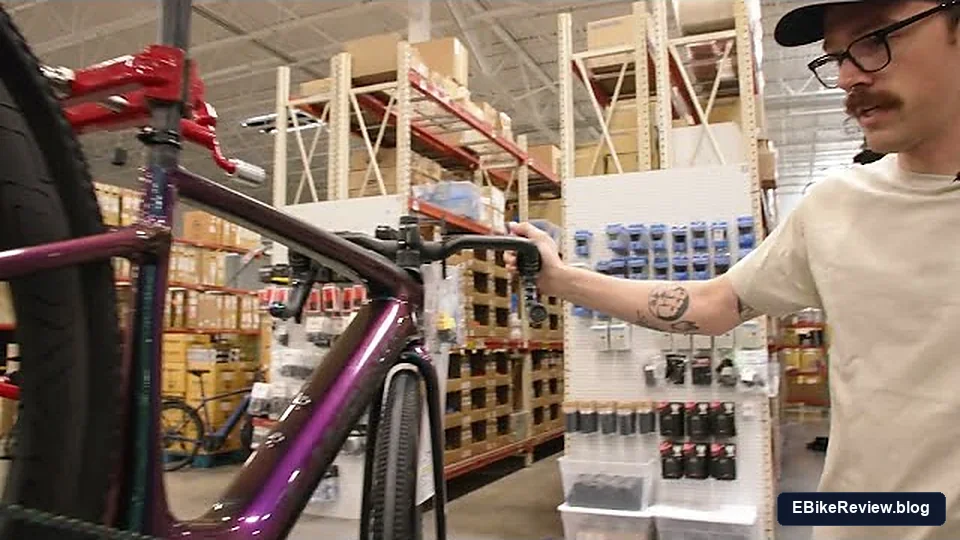
A modular range extender fits neatly inside a standard water bottle cage. This secondary unit injects an extra 160 watt-hours for epic backcountry endurance missions.
Smart battery management software prevents deep discharge cycles during extended storage periods. Dedicated diagnostic tools monitor individual cell health to preserve long-term battery capacity.
The primary internal battery holds 320 watt-hours of energy, yielding up to five hours of ride time. Utilizing the optional 160 watt-hour range extender doubles total capacity for epic backcountry excursions.
Charging times from empty to full take approximately two hours and thirty minutes using the custom smart charger. Maintaining storage voltage around 60 percent preserves lithium-ion longevity during extended off-season storage periods.
Eco mode prioritizes battery conservation by capping assistance at 30 percent of total output. Selecting this conservative profile drastically extends range when confronting headwinds or heavily laden bikepacking setups.
- 320Wh primary integrated lithium-ion battery
- Optional 160Wh water-bottle range extender
- Intelligent cell balancing protection circuits
Assembly Mechanics and Component Tuning
Initial setup requires careful torque verification across all integrated carbon cockpit components. Mechanics often reference our commuter model analysis before calibrating the Turbo Control Unit firmware.
Drivetrain maintenance follows standard high-end electronic shifting protocols. Mechanics should regularly inspect wire harnesses and charging ports for moisture accumulation or grit ingress.
Internal cable routing requires patience and magnetic guides to thread hydraulic hoses smoothly. Bottom bracket bearings demand marine-grade grease applied to 30 mm spindle interfaces to eliminate creaking under heavy loads.
Electronic shifting integration relies on precise derailleur hanger alignment checked with a gauge. Torque specifications on handlebar clamps demand exact adherence to 5 Nm limits to protect carbon handlebars.
- Precision torque specification adherence required
- Firmware calibration via companion mobile app
- Standard electronic drivetrain upkeep protocols
Long-Term Durability and Wear Points
Sealed cartridge bearings protect pivot points and bottom bracket interfaces from grit. Component longevity matches premier traditional racing bicycles despite added electrical complexity.
The carbon exterior withstands routine road debris impacts remarkably well. Protective frame guards shield vulnerable chainstay areas from chain slap and abrasive particulate wear.
Drivechain components endure accelerated wear due to the combined forces of human and motor torque. Replacing chains every 2,000 kilometers protects expensive titanium cassettes from premature tooth deformation and skipping.
Suspension boots on the Future Shock assembly require periodic cleaning and light lubrication. Inspecting pivot bolts and frame junctions annually prevents minor bolt loosening from escalating into structural carbon fatigue.
- Weather-sealed pivot and bearing assemblies
- Impact-resistant carbon surface treatments
- Replaceable derailleur hanger architecture
Rider Profiling: Ideal Matches versus Dealbreakers
Discerning road cyclists seeking lightweight electrical assistance will appreciate the authentic handling dynamics. Buyers can evaluate alternatives inside our comprehensive vado comparison regarding throttle power.
Budget-conscious enthusiasts will encounter severe financial hurdles with this halo build tier. Cyclists prioritizing modular aftermarket upgrades will find the closed ecosystem restrictive.
This platform suits road cyclists seeking natural ride dynamics without heavy motor drag. Riders prioritizing unassisted analog weight or massive throttle-controlled power will find the lightweight assistance profile underwhelming.
Commuters needing heavy cargo-carrying capabilities should look elsewhere because rack mounting points are limited. Conversely, endurance road racers desiring seamless assistance on brutal alpine climbs will appreciate the engineering.
- Perfect for purists seeking natural pedal assist
- Unsuitable for tight budget constraints
- Limited compatibility with generic third-party parts
Frequently Asked Questions
Can you ride this e-bike without motor assistance?
You can completely power off the electrical system and pedal this ultra-lightweight machine without experiencing any noticeable mechanical drag whatsoever during your strenuous road rides.
The advanced internal clutch mechanism decouples the custom motor gearbox entirely, preserving authentic analog road bike handling characteristics for traditional unassisted group training sessions.
How long does it take to fully recharge the battery?
Recharging the primary internal battery from zero to one hundred percent capacity typically takes approximately two and a half hours when using the standard fast charger.
Plugging in the auxiliary bottle-cage range extender simultaneously requires an additional hour to achieve complete electrical saturation across both energy storage units.
Is the motor powerful enough for steep mountain climbs?
The custom SL 1.1 mid-drive motor delivers thirty-five newton-meters of responsive torque, providing substantial assistance on steep and punishing mountain climbs.
While this lightweight system requires more active rider input than heavy utility e-bikes, it effortlessly flattens brutal gradient slopes without ruining your workout intensity.
Can I replace the integrated battery myself?
The primary lithium-ion battery is securely integrated inside the carbon downtube structure and requires specialized technician tools for proper removal. Owners should always visit an authorized local dealer whenever internal electrical service or hardware battery replacement procedures become strictly necessary.
What mobile app features are available for tuning?
The companion smartphone application allows riders to customize individual motor assistance levels, monitor real-time power output metrics, and perform critical system diagnostics. Users can also sync rides automatically to popular third-party training platforms like Strava for comprehensive post-ride performance analysis.