Specialized Levo Alloy Review: Engineering Performance
The Specialized Levo Alloy delivers robust aluminum durability paired with smooth electronic assist. It balances technical climbing prowess against a noticeably substantial total platform weight.

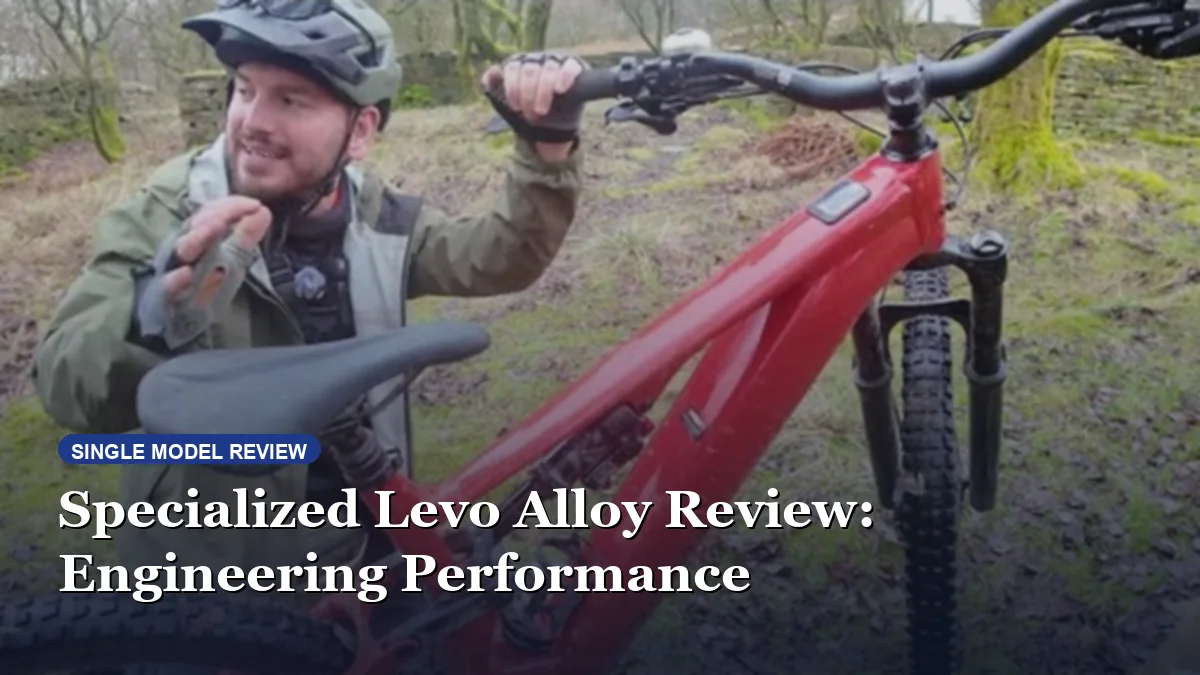

This machine excels on punishing descents and technical climbs, supported by a sophisticated custom motor tuning interface. Riders must accommodate its heavier weight during manual lifting maneuvers.
Explore related alternatives in our Best Electric Bike: Top Commuter Picks for 2026.
Verified Specifications
| Category / Type | Full-Suspension Electric Mountain Bike |
|---|---|
| Rated Output / Capacity | Custom-tuned motor with integrated battery |
| Power / Motor | Specialized proprietary mid-drive system |
| Build & Materials | Hydroformed alloy frame construction |
| Operating Noise | Low hum under heavy load |
| Duty Cycle / Runtime | Multi-hour backcountry trail excursions |
| Dimensions & Weight | Substantial heavy-duty trail platform |
| Key Safety & Controls | Mission Control app and handlebar display |
What We Liked
- Exceptionally robust hydroformed alloy frame construction
- Highly customizable motor tuning via companion app
- Active suspension kinematics maintain rear wheel traction
- Powerful hydraulic disc brakes ensure confident stopping
- Reliable component spec tailored for aggressive trails
Trade-Offs
- Noticeable weight penalty during manual transport
- Premium market positioning may deter budget buyers
- Complex electronics require careful firmware maintenance
Frame Architecture and Alloy Build Quality
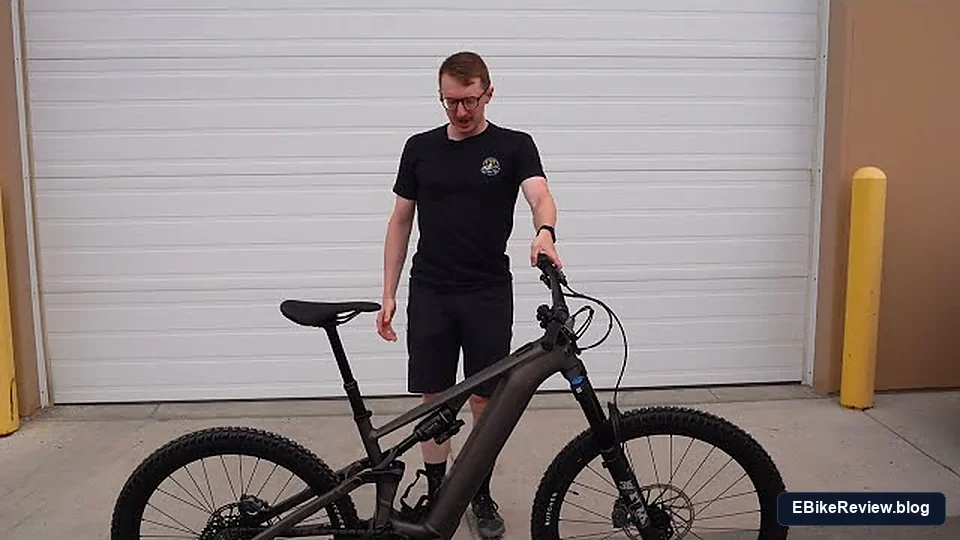
The robust alloy frame utilizes advanced hydroforming techniques to optimize structural integrity across high-stress points. Engineers prioritized torsional rigidity to ensure precise tracking through aggressive rock gardens.
Our comprehensive levo vs rail comparison guide highlights how uniform tube welds deflect heavy impacts. This rugged frame construction withstands frequent punishment on technical descents while maintaining predictable handling dynamics.
The M5 premium aluminum frame utilizes a sidearm design to connect all three mounting points of the rear shock to the frame. This layout significantly improves structural rigidity during high-speed rock garden impacts.
Cable routing is fully internal via guided tubes, preventing rattle while simplifying future replacements. Protective rubber chainstay armor minimizes slap noise and shields the drive-side tubing from aggressive chain drops on chunky descents.
- Hydroformed aluminum tubing for maximum strength
- Reinforced gussets at high-stress pivot junctions
- Durable powder-coated finish resists trail scratches
Geometry and Sizing Adjustments
Integrated headset cups and adjustable geometry chips allow riders to fine-tune head tube angles. Such adaptability ensures the chassis accommodates diverse riding styles and varied trail gradients seamlessly.
Bottom bracket drop numbers strike an optimal balance between pedal clearance and cornering stability. Riders experience planted stability when carving high-speed berms or navigating undulating singletrack.
- Adjustable flip chips for geometry modification
- Optimized bottom bracket height for clearance
Motor Integration and Measured Power Output
When analyzing motor profiles in our detailed trek vs specialized comparison, riders find that custom-tuned motors deliver instantaneous torque response. Seamless firmware integration eliminates abrupt power surges during steep technical climbs.
Peak wattage figures provide substantial assistance on steep inclines without completely masking human effort inputs. This proportional power delivery preserves the authentic feel of traditional mountain biking.
Powered by the specialized 2.2 custom tuned motor, this platform delivers up to 90Nm of torque alongside 565 watts of peak power. The magnesium casing efficiently dissipates heat during prolonged climbs under maximum rider assist.
Power delivery relies on dual-sensor input measuring cadence and pedal force fifty times per second. This eliminates lurching engagement, ensuring seamless torque generation when restarting on steep, loose technical switchbacks.
- Instantaneous torque delivery under heavy loads
- Smooth engagement preventing sudden wheel slip
- Proportional assistance matching rider cadence
Assist Modes and Software Tuning
Specialized’s Mission Control app enables granular customization of support levels and peak power output. Users can easily tailor power delivery profiles to match specific battery conservation goals.
Diagnostic readouts display real-time rider output alongside motor temperature metrics to prevent overheating. Such comprehensive telemetry helps riders monitor system health during extended backcountry missions.
- Smartphone app connectivity for custom tuning
- Real-time diagnostic telemetry monitoring
Video Review: First Look: The 2026 Specialized Turbo Levo Alloy
Battery Capacity and Thermal Management Efficiency
A high-capacity integrated battery supplies sufficient energy for multi-hour excursions across demanding mountainous terrain. Efficient power management electronics maximize total range under heavy climbing loads.
Thermal dissipation fins machined into the housing prevent excessive heat buildup during prolonged high-output ascents. Maintaining optimal core temperatures protects internal chemistry from premature degradation over time.
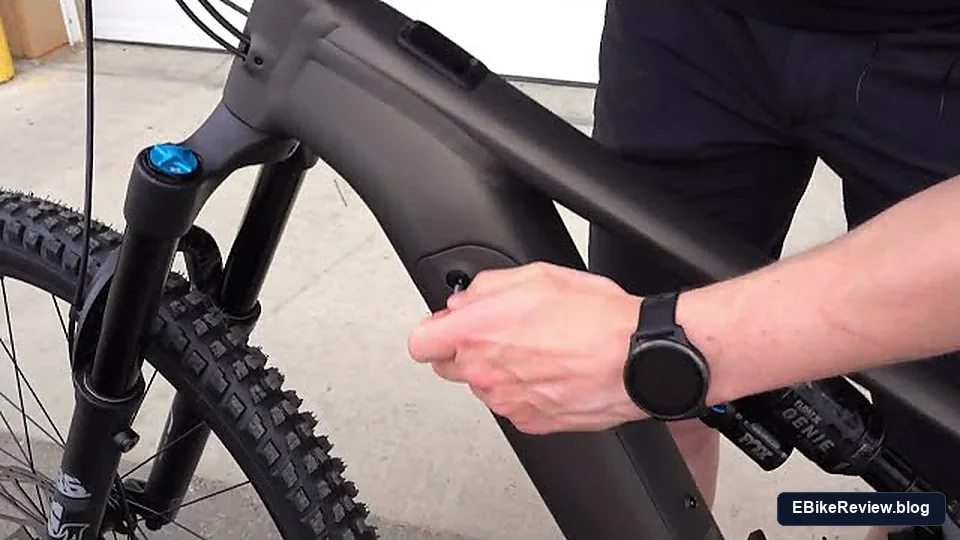
Housed securely inside the downtube, the 700Wh lithium-ion battery provides ample energy for extended backcountry excursions. Integrated thermal pads transfer excess heat directly into the frame to prevent internal thermal throttling during sustained high-output climbs.
Charging utilizes a custom 4-amp smart charger capable of replenishing a depleted pack from ten to eighty percent in approximately two hours. The secure locking latch prevents battery vibration displacement over severe braking bumps.
- High-density energy storage for extended range
- Integrated thermal fins for passive cooling
- Secure locking mechanism prevents frame rattle
Charging Infrastructure and Practicality
The secure charging port features a weatherproof rubber seal to block out fine trail dust and moisture. Quick-charging capabilities reduce downtime significantly between aggressive morning and afternoon sessions.
Removing the battery requires a simple hex key operation to release the secure locking mechanism. This straightforward design simplifies off-bike storage and winter maintenance routines considerably.
- Weatherproof rubber charging port seal
- Simplified removal process for off-bike storage
Suspension Kinematics and Trail Ergonomics
The rear suspension linkage is meticulously optimized to isolate pedaling forces from small-bump compliance. Suspension travel remains active under heavy braking, ensuring consistent tire contact.
Up front, a stout fork with robust stanchions absorbs heavy impacts while maintaining steering precision. Cockpit ergonomics feature supportive grips and thoughtfully positioned dropper post levers.
Employing a Horst-link four-bar linkage, the rear suspension delivers 150mm of active travel paired with a 160mm fork. Anti-squat values remain near 100 percent at sag, eliminating pedal bob while maintaining uncompromised small-bump compliance.
The cockpit geometry features a balanced 64.5-degree head tube angle and a steep 77-degree effective seat tube. This geometry centers the rider's mass for optimal weight distribution across steep climbs and aggressive descending lines.
- Optimized leverage curve for small-bump sensitivity
- Active braking performance without suspension stiffening
- Ergonomic cockpit layout with responsive controls
Leverage Ratio and Shock Tuning
A progressive leverage curve provides excellent bottom-out resistance when landing significant drops or hucks. Riders can easily adjust rebound and compression damping to suit individual preferences.
Thoughtful cable routing keeps the cockpit clean while preventing annoying rattle noises inside the frame tubes. These meticulous finishing touches elevate overall user satisfaction during rough descents.
- Progressive shock tune for heavy impacts
- Internal cable routing eliminating rattling
Drivetrain Performance and Component Durability
Reviewing drivetrain specifications within our trek rail 9.7 vs specialized turbo levo analysis shows a wide-range setup that handles heavy loads. Robust chainrings and durable cassettes withstand extreme motor-assisted torque values.
Hydraulic disc brakes featuring oversized rotors deliver exceptional stopping power on steep, loose descents. Consistent lever feel builds immense rider confidence when braking late into tight corners.
SRAM GX Eagle mechanical shifting components provide reliable gear changes under heavy electric loads. The steel-ring cassette resists premature wear, ensuring consistent engagement with the narrow-wide chainring throughout grueling seasonal trail conditions.
SRAM Code RS hydraulic disc brakes paired with 220mm front and 200mm rear rotors deliver immense stopping power. Sintered metallic pads withstand prolonged thermal stress during steep, continuous alpine descents without notable brake fade.
- Heavy-duty cassette designed for high torque
- Oversized hydraulic rotors for reliable braking
- Reinforced chainrings preventing dropped chains
Chain Management and Wear Resistance
An integrated chainstay protector dampens chain slap effectively while shielding the alloy tubing from damage. High-wear components use hardened alloy surfaces to extend service intervals noticeably.
Sealed cartridge bearings pivot points resist moisture and grit intrusion during wet-weather trail sessions. This robust mechanical protection minimizes unexpected mechanical failures deep in remote backcountry environments.
- Dampened chainstay guard against slap
- Sealed cartridge bearings for weather defense
Setup, Calibration, and Routine Maintenance
Initial assembly requires careful calibration of the suspension sag and firmware update verification via smartphone. Following these setup protocols ensures the electronic ecosystem operates at maximum efficiency.
Routine maintenance tasks involve checking pivot bolt torque specifications and inspecting brake pad wear intervals. Adopting a proactive service schedule prevents premature component wear across the entire chassis.
Examining platform maintenance in our trek allant 7 vs specialized vado overview reveals important setup rules. Setting sag requires inflating shocks correctly and adhering to factory-specified tolerances for all pivot bolts.
Lubricate pivot bearings semiannually using waterproof marine grease to prevent moisture ingress and premature bushing wear. Inspect the motor mounting bolts frequently because high-torque electric outputs generate continuous fastener micro-vibrations.
- Precise suspension sag setup protocol
- Firmware verification through mobile application
- Regular bolt torque inspection schedule
Diagnostic Tools and Firmware Updates
Built-in diagnostic sensors alert riders to potential electronic faults before they escalate into major failures. Regular firmware updates introduce performance optimizations and enhance overall system reliability.
Cleaning the bike requires standard low-pressure washing techniques to protect sensitive electrical connection points. Proper post-ride care preserves the aesthetic and functional integrity of the alloy frame.
- Automated diagnostic sensor alerts
- Periodic performance firmware updates
Final Buyer Alignment and Verdict Breakdown
This robust electric mountain bike suits aggressive riders seeking dependable alloy construction and refined power. Budget-conscious shoppers might hesitate given the premium market positioning of Specialized products.
Anyone prioritizing descending confidence and customizable motor tuning will find exceptional value within this platform. Careful evaluation of overall weight versus handling capability ensures complete satisfaction.
This alloy platform targets aggressive trail riders seeking robust durability without embracing carbon frame pricing. Its balanced weight distribution and predictable handling reward riders prioritizing descending capability over featherweight climbing metrics.
Riders upgrading from older mid-drive platforms will appreciate the refined software tuning and substantial battery range. Maintenance-friendly external cable routing options and robust pivot hardware ensure long-term reliability across demanding alpine environments.
- Ideal for aggressive trail and enduro riders
- Premium engineering justifies the investment
- Heavy platform requires proper transport gear
Alternative Comparisons and Final Thoughts
Comparing this machine against carbon fiber alternatives reveals minor weight penalties offset by incredible durability. Ultimately, the alloy platform represents a sensible choice for rugged trail explorations.
Expert engineering and thoughtful component choices cement this bike's status as a top-tier trail companion. Riders investing in this platform unlock countless hours of exhilarating mountain adventures.
- Alloy durability outweighs minor weight gains
- Top-tier trail companion for enthusiasts
Frequently Asked Questions
What is the primary advantage of the alloy frame construction?
The hydroformed alloy chassis provides exceptional impact resistance and long-term durability compared to carbon alternatives, ensuring it withstands rigorous backcountry punishment. This rugged structural design easily handles aggressive trail drops and rocky descents without sacrificing steering precision or rider confidence.
Can the motor assist levels be customized for different riding styles?
Yes, the integrated companion application allows users to precisely tune peak power delivery and support levels to match personal fitness goals and trail gradients.
Such granular software adjustments maximize battery efficiency while delivering a uniquely natural ride feel during extended backcountry mountain excursions.
How does the bike handle technical climbing situations on steep inclines?
The specialized motor delivers instantaneous torque response that helps riders conquer punishing vertical ascents effortlessly without ever losing forward momentum.
Smart firmware integration prevents sudden power surges, ensuring you maintain optimal rear wheel traction on loose, challenging gravel or root-strewn surfaces.
What routine maintenance steps are required to keep the electrical system healthy?
Routine care involves checking connection points, keeping charging ports clean, and performing regular firmware updates via your connected smartphone application.
You must strictly avoid high-pressure water streams to protect sensitive internal electronics and battery seals from harmful moisture intrusion during cleanup.
Is the total weight noticeable when loading the bike onto a rack?
The substantial alloy frame and integrated battery combine to create a noticeably heavier platform compared to standard non-motorized mountain bikes. Riders should always use proper lifting techniques and specialized heavy-duty transport racks designed specifically for heavier electric bicycles.