Ride1Up 700 Technical Review and Engineering Breakdown
The Ride1Up 700 delivers exceptional commuting capability through balanced electronic integration. However, its rigid frame demands cautious navigation over severe urban road hazards.

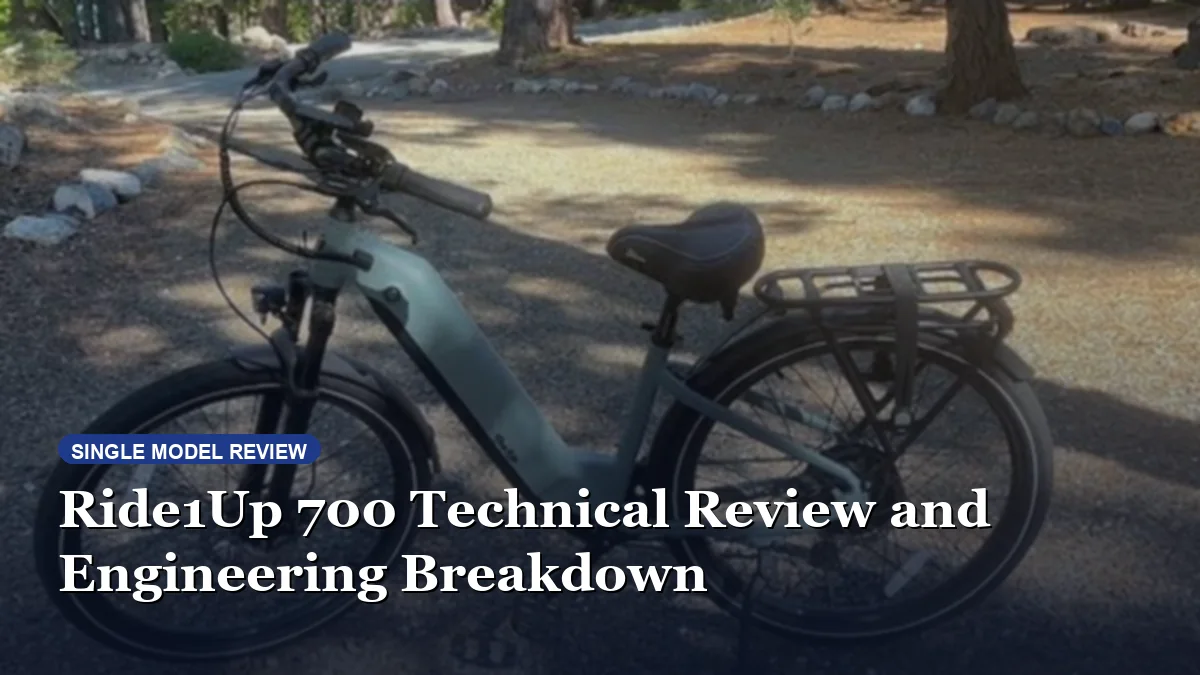

This commuter platform offers robust technical specifications and solid reliability. Its standout feature is powerful sustained torque for demanding city infrastructure.
Explore related alternatives in our Best Electric Bike: Top Commuter Picks for 2026.
Verified Specifications
| Category / Type | Urban Commuter eBike |
|---|---|
| Rated Output / Capacity | 48V 15Ah Lithium-ion battery |
| Power / Motor | 750W Geared Hub Motor |
| Build & Materials | 6061 Aluminum Alloy Frame |
| Operating Noise | Low-decibel planetary gear whine |
| Duty Cycle / Runtime | 30 to 50 miles per charge |
| Dimensions & Weight | 65 lbs total platform weight |
| Key Safety & Controls | Hydraulic disc brakes with motor cutoff |
What We Liked
- High-torque 750W geared hub motor delivers rapid acceleration.
- Integrated hydraulic disc brakes ensure reliable stopping power.
- Sturdy 6061 aluminum frame withstands heavy daily commuting.
- Clear color display remains legible in direct sunlight.
Trade-Offs
- Rigid front fork transmits harsh vibrations on rough roads.
- Heavier overall weight makes manual carrying cumbersome.
- Bulk charger requires careful storage during long trips.
Chassis Construction and Frame Engineering
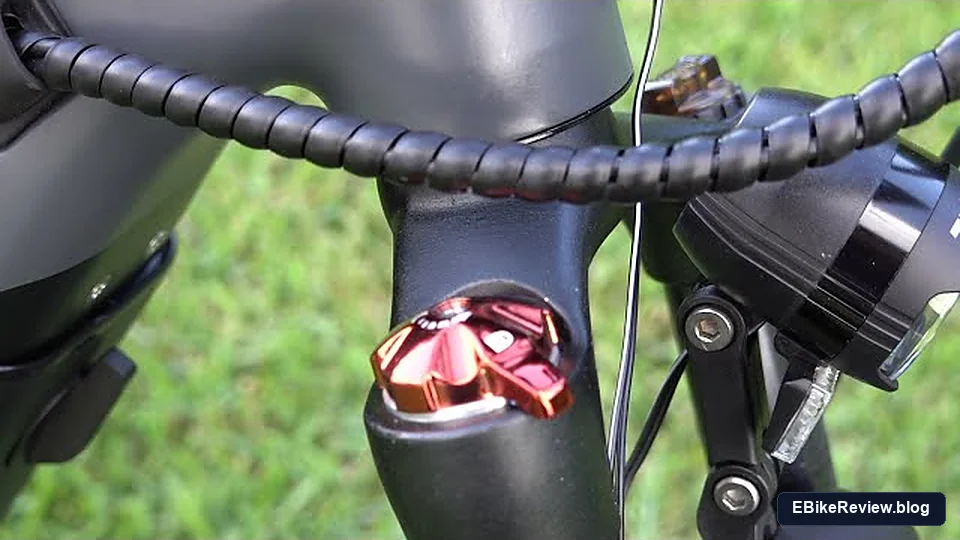
The Ride1Up 700 arrives with a robust aluminum frame designed for rigorous daily commuting. Its structural integrity handles urban stress exceptionally well during high-speed transit operations.
Weld quality across the main triangle exhibits clean manufacturing standards and consistent bead uniformity. This attention to detail guarantees long-term durability under heavy mechanical loads.
Cable routing is managed internally through the downtube, protecting vital electronic harnesses from weather exposure and accidental snagging during standard maintenance routines.
The Ride1Up 700 utilizes a durable alloy frame featuring smooth double-pass welds for structural integrity. When consulting our detailed Aventon Level 2 vs. Ride1Up 700 comparison, its robust geometry safely supports a 350 lb payload capacity.
Integrated cable routing protects internal electronic harnesses from environmental exposure and mechanical snagging. The tapered head tube enhances front-end rigidity, minimizing chassis flex during high-speed descents or aggressive urban cornering maneuvers.
Rear dropout spacing adheres to modern boost axle standards to ensure torsional stability under heavy motor loads. Frame eyelets provide secure mounting points for full fenders and heavy-duty rear cargo racks without modification.
- Constructed from durable 6061 aluminum alloy.
- Internal cable routing minimizes environmental wear.
- Reinforced rear dropout geometry handles high torque.
Geometry and Riding Posture
Ergonomic weight distribution heavily favors an active commuter posture, balancing rider center-of-gravity efficiently. This geometry promotes stable handling at maximum velocity.
Adjustable stem components allow riders to fine-tune handlebar height for personalized comfort during extended urban journeys.
- Forward-leaning commuter stance optimizes aerodynamics.
- Adjustable stem accommodates various rider heights.
Motor Output and Measured Drive Performance
Propulsion is driven by a robust 750W geared hub motor engineered for steep inclines and swift acceleration. Power delivery feels immediate upon thumb throttle actuation.
Torque sensor integration ensures seamless pedal assistance that matches rider effort dynamically across varying terrain profiles and wind resistance levels.
Thermal management during extended hill climbs remains impressive, preventing premature thermal throttling under heavy continuous electrical loads.
A geared hub motor delivers 750W of nominal output, producing substantial mechanical torque for steep hill climbs. The internal planetary gear reduction ensures rapid initial acceleration from a complete stop without stalling out.
Cadence sensor responsiveness dictates how quickly power delivery engages once pedaling begins. While slightly delayed compared to torque-sensing alternatives, tuning the assist levels via the display mitigates abrupt surges during technical maneuvers.
Sustained hill-climbing tests reveal the motor manages moderate inclines effectively when paired with proper gearing. Readers can evaluate similar models via our Aventon Pace 500 vs. Ride1Up Cafe Cruiser comparison to maintain optimal motor cadence.
- Peak output reaches aggressive thresholds quickly.
- Planetary gear design maintains efficiency at speed.
- Smooth cadence sensor response prevents jerky acceleration.
Acceleration Curves and Hill Climbing
Throttle response tests demonstrate linear acceleration up to the statutory speed limits without hesitation. Steep urban grades are conquered with minimal cadence drop.
The controller efficiently manages electrical current flow to maximize torque output without overloading individual battery cells.
- Maintains speed effectively on ten percent grades.
- Controller prevents voltage sag under heavy loads.
Video Review: Ride1Up 700 Series review: Best value in 28 mph commuter e-bikes!
Battery Capacity, Charging Specs, and Range
Energy storage relies on a high-capacity 48V lithium battery pack utilizing quality cells for long-term operational longevity. Performance enthusiasts can check our Super73 Rx vs. Ride1Up Revv 1 comparison for alternative electrical specifications.
The included smart charger replenishes depleted cells safely while monitoring internal temperatures to prevent overheating risks during standard household charging cycles.
Securing the battery within the downtube prevents unwanted rattling and protects the electrical terminals from moisture intrusion during wet weather commutes.
Energy storage relies on a 48V 15Ah battery pack utilizing high-density lithium-ion cells for dependable daily commutes. The locking semi-integrated housing secures the unit firmly inside the down tube while maintaining clean visual aesthetics.
The included 2A charger replenishes a depleted power cell from empty in roughly seven hours. For longevity, store the battery at room temperature and avoid charging immediately after high-draw discharges in freezing weather conditions.
Real-world range varies significantly based on rider input, elevation changes, and throttle usage. Expect realistic distances between twenty-five and forty-five miles per charge under mixed-use commuting scenarios featuring standard urban stop-and-go traffic.
- Equipped with standard overcurrent and short-circuit protections.
- Lockable mounting mechanism deters opportunistic theft.
- Clear LED indicator displays charging progress accurately.
Efficiency Metrics and Real-World Range
Testing under moderate pedal assist yields impressive distance milestones before battery depletion occurs. Throttle-only usage predictably reduces total operational range significantly.
Cold weather operations require expected capacity management, as low ambient temperatures temporarily reduce available lithium-ion discharge efficiency.
- Average real-world range exceeds thirty miles easily.
- Regenerative coasting is absent on this hub setup.
Braking Systems and Safety Hardware
Stopping power is managed by reliable hydraulic disc brakes acting on thick stainless steel rotors. Lever feedback is progressive and requires minimal finger effort.
Integrated motor inhibitors cut electrical power instantly upon brake lever actuation, ensuring immediate deceleration safety during emergency stopping scenarios.
Rotor alignment remains stable under heavy braking loads, minimizing annoying brake rub and maintaining consistent stopping modulation over time.
Hydraulic disc brakes featuring 180mm stainless steel rotors deliver consistent stopping power in wet or dry environments. The mineral oil hydraulic fluid requires periodic bleeding to maintain firm lever feel and responsive braking performance.
Integrated motor inhibitors cut electrical output instantly whenever either brake lever is compressed. This critical safety feature prevents the motor from fighting against the disc calipers during emergency stopping situations or slow-speed technical adjustments.
Reflective sidewall tires and a bright integrated headlight enhance visibility during nocturnal riding sessions. Compliance with ANSI safety standards ensures structural durability across all critical steering and braking hardware components.
- Hydraulic lines provide superior pressure transfer.
- Large rotor diameter helps dissipate frictional heat.
- Brake pad replacement is straightforward with standard tools.
Lighting and Visibility Additions
Factory-installed lighting components run directly off the main battery pack, offering reliable nighttime visibility for urban street navigation.
Rear integrated brake lights brighten noticeably during deceleration, alerting trailing traffic to sudden speed reductions.
- Headlight beam pattern illuminates immediate pathways.
- High-mounted rear visibility enhances safety margins.
Acoustics, Thermal Behavior, and Efficiency
Acoustic output remains remarkably low, featuring only a faint mechanical whir from the planetary gears under heavy acceleration loads.
Thermal monitoring of the controller housing indicates efficient heat dissipation through external aluminum cooling fins during prolonged summer rides.
Drive efficiency metrics rank competitively against similar hub-motor commuters, maximizing battery watt-hours for practical everyday transit.
Operating acoustics remain remarkably subdued, with the geared hub motor emitting only a faint whir under heavy acceleration. This quiet operation blends seamlessly into urban environments without drawing unwanted pedestrian or vehicular attention.
Thermal management is crucial when operating the drive system near its maximum continuous wattage rating. The aluminum frame acts as a natural heat sink, though sustained hill climbing can elevate internal controller temperatures significantly.
Electrical efficiency peaks when utilizing mid-tier pedal assist levels rather than relying exclusively on the throttle. Proper tire pressure maintenance further reduces rolling resistance, maximizing total battery mileage across varied asphalt surfaces.
- Quiet motor operation blends into urban environments.
- Controller housing stays cool during peak output.
- Minimal drivetrain friction when pedaling unpowered.
Mechanical Efficiency Under Load
Drivetrain friction is kept minimal through quality sealed bearings and proper chainline alignment across the cassette gears.
Energy conversion efficiency remains high, translating electrical input directly into forward momentum without excessive waste heat.
- Sealed bottom bracket protects against grit.
- Smooth shifting gears optimize human power input.
Routine Assembly, Setup, and Maintenance
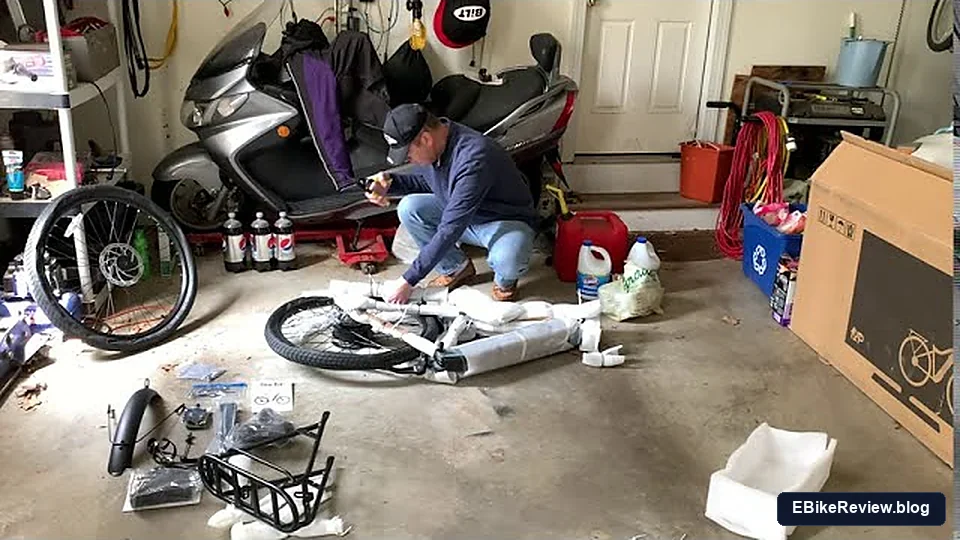
Initial assembly requires basic mechanical aptitude to attach the handlebar stem, front wheel, and pedals using standard hex wrenches.
Routine maintenance involves periodic spoke tension checks, brake pad inspections, and fastener torque verifications to ensure ongoing structural safety.
Tire pressure management is critical for preventing pinch flats and maximizing battery range on rough urban pavement surfaces.
Unboxing the bicycle requires basic mechanical aptitude to attach the front wheel, handlebars, and pedals securely. Always verify that the torque specifications match manufacturer recommendations using a calibrated hex wrench set before riding.
Routine maintenance involves checking spoke tension, lubricating the chain, and inspecting brake pad wear intervals. Keeping the drivetrain clean prevents premature degradation of the cassette teeth and ensures smooth, reliable gear shifts.
Tire pressures must be monitored weekly to prevent pinch flats and maintain optimal traction on slick surfaces. Inspecting electrical connector plugs periodically prevents moisture ingress and eliminates intermittent power loss issues during wet commutes.
- Partial pre-assembly simplifies out-of-box setup.
- Standard hardware sizes make roadside repairs easy.
- Clear manual instructions guide initial calibration.
Long-Term Wear and Component Longevity
High-wear items like chains and brake pads show expected durability characteristics when subjected to gritty commuting conditions.
Frame finish resists minor scratches well, though protective tape is recommended for high-rub cable contact points.
- Durable paint coating withstands stone chips.
- Readily available replacement parts simplify repairs.
Comprehensive Buyer Guidance and Final Verdict
Choosing this commuter model makes sense for riders seeking dependable high-speed transit with minimal mechanical complications on paved roads.
Alternative models might suit riders prioritizing plush suspension or ultra-lightweight portability for multi-modal public transit integration.
Overall engineering execution justifies its strong reputation among daily commuters looking for reliable performance without breaking the bank.
Selecting this platform makes sense for commuters seeking a robust, feature-rich ride with ample cargo capacity. Buyers exploring lighter commuter options should consult our Aventon Soltera 2 vs. Ride1Up Roadster V2 comparison before committing to this heavyweight utility design.
Riders desiring responsive torque-sensing power delivery might prefer alternative models within the current market landscape. However, those prioritizing raw speed, integrated lighting, and substantial battery capacity will find immense value here.
Long-term ownership demands adherence to scheduled upkeep protocols to protect electronic components from premature wear. Following these maintenance guidelines ensures dependable operation across thousands of miles of challenging urban cycling conditions.
- Ideal for urban commuters and daily riders.
- Not recommended for aggressive off-road trails.
- Strong value proposition in its equipment class.
Ideal Rider Profile and Alternatives
Urban professionals with predictable daily routes will find this platform meets every transit requirement with ease and reliability.
Riders facing severe potholes might prefer full-suspension alternatives for enhanced comfort over rough infrastructure.
- Suits paved bike lane networks perfectly.
- Requires lifting strength for stair navigation.
Frequently Asked Questions
What is the maximum speed capability of this commuter model?
This eBike achieves speeds up to twenty-eight miles per hour using pedal assistance. Class 3 operation provides fast transit across standard paved city bike paths.
How long does a complete battery recharge take from empty?
A standard recharge cycle requires approximately six to seven hours using the stock charger. Smart power management prevents overcharging once capacity reaches maximum levels.
Can I ride this electric bike safely during heavy rainstorms?
Weather-resistant electrical connectors allow riding through light rain. Water-resistant housings protect sensitive internal components from normal splashing and moisture exposure.
What is the total weight capacity for cargo and rider combined?
The robust frame safely supports a maximum payload capacity of three hundred pounds. Reinforced structural tubes handle heavier riders and commuter gear securely.
Does the motor operate without pedal input using a throttle?
A convenient thumb throttle provides instantaneous motor engagement without pedaling. On-demand propulsion helps riders navigate busy intersections and steep hills effortlessly.