Rail 7 Technical Review: Engineering and Performance Breakdown
The Rail 7 combines robust Bosch motor integration with a capable step-through frame. It delivers exceptional power across mixed terrain surfaces.

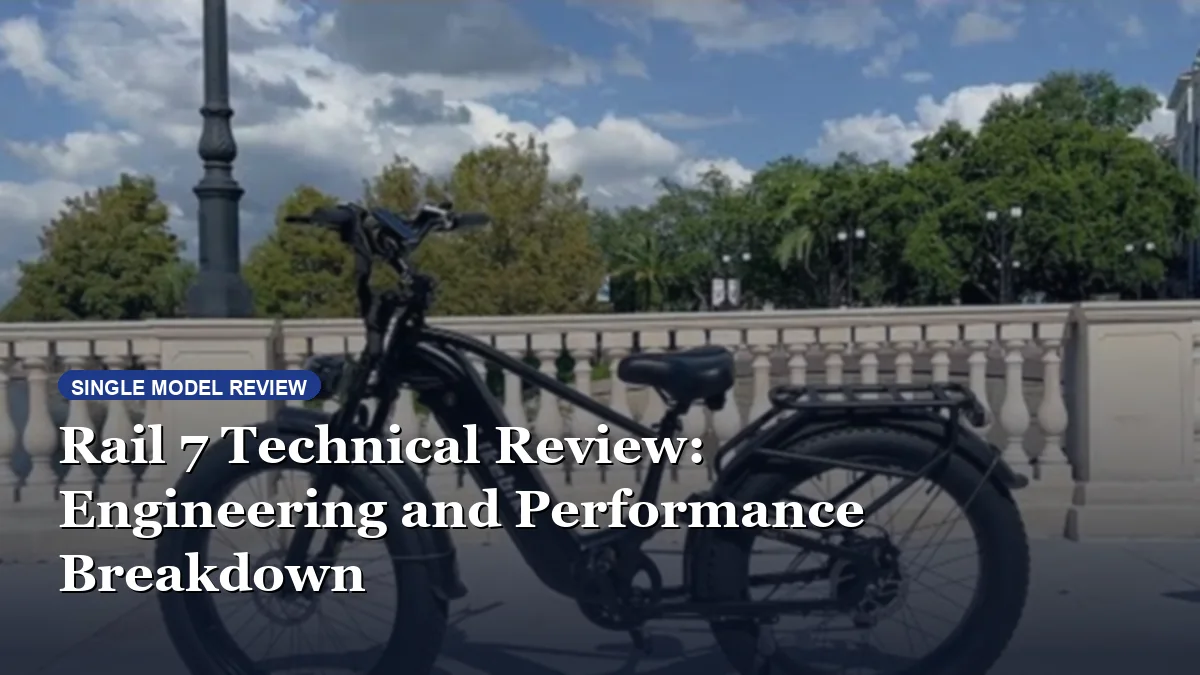

This electric bike provides impressive torque and stable handling for diverse riding conditions. Its Bosch Performance Line motor sets a high benchmark for responsive power delivery.
Explore related alternatives in our Best Ebike For Rail Trails: Top Picks for 2026.
Verified Specifications
| Category / Type | Electric SUV / Commuter Bike |
|---|---|
| Rated Output / Capacity | 625Wh Bosch PowerPack battery |
| Power / Motor | Bosch Performance Line 85 Nm torque |
| Build & Materials | Sunk aluminum step-through frame |
| Operating Noise | Low-decibel quiet planetary gear whine |
| Duty Cycle / Runtime | Extended range for multi-hour trail rides |
| Dimensions & Weight | Large frame with 27.5-inch wheels |
| Key Safety & Controls | Dual hydraulic disc brakes and integrated reflectors |
What We Liked
- Powerful 85 Nm Bosch motor torque handles steep inclines effortlessly.
- Robust aluminum step-through frame eases mounting and dismounting safely.
- Generous 625Wh battery capacity supports long-distance weekend adventures.
- Grippy 2.25-inch SUV tires maintain reliable traction on mixed surfaces.
- Smooth SR Suntour front suspension absorbs harsh trail vibrations effectively.
Trade-Offs
- Overall system weight feels heavy when navigating tight storage spaces.
- Limited to a ten-speed cassette configuration for high-speed road riding.
- Step-through chassis design exhibits slight torsional flex under heavy loads.
Frame Architecture and Structural Build Quality
Engineering an accessible step-through frame requires careful reinforcement around the bottom bracket junction. This specific aluminum chassis maintains structural rigidity while simplifying rider mounting procedures.
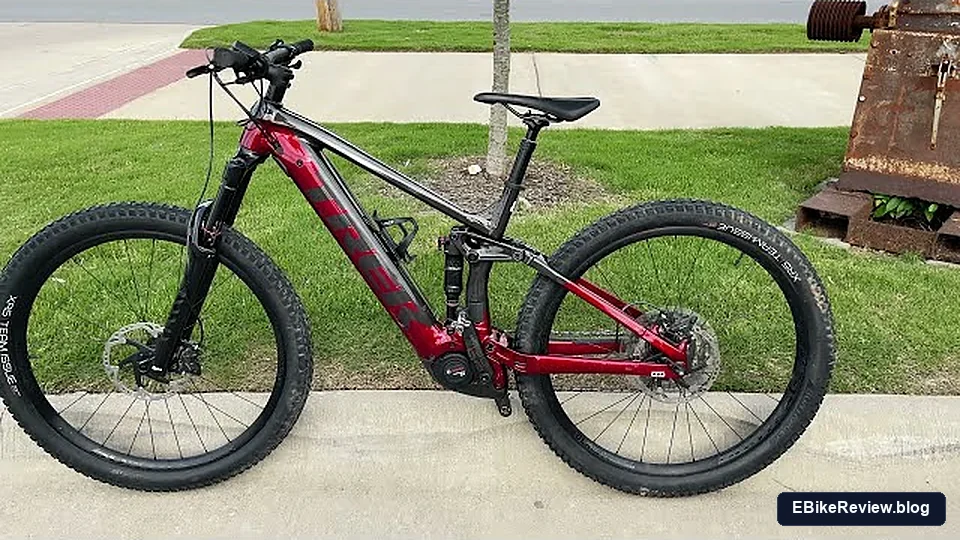
Weld quality across the primary triangle exhibits clean robotic execution with uniform penetration beads. This frame shines when tested on our best ebike for rail trails selections during long weekend excursions.
Constructing the chassis relies on Alpha Platinum Aluminum paired with an ABP pivot system, ensuring optimal rear-wheel tracking. Tubing wall thicknesses are tapered explicitly to withstand heavy all-mountain impacts during aggressive trail descents.
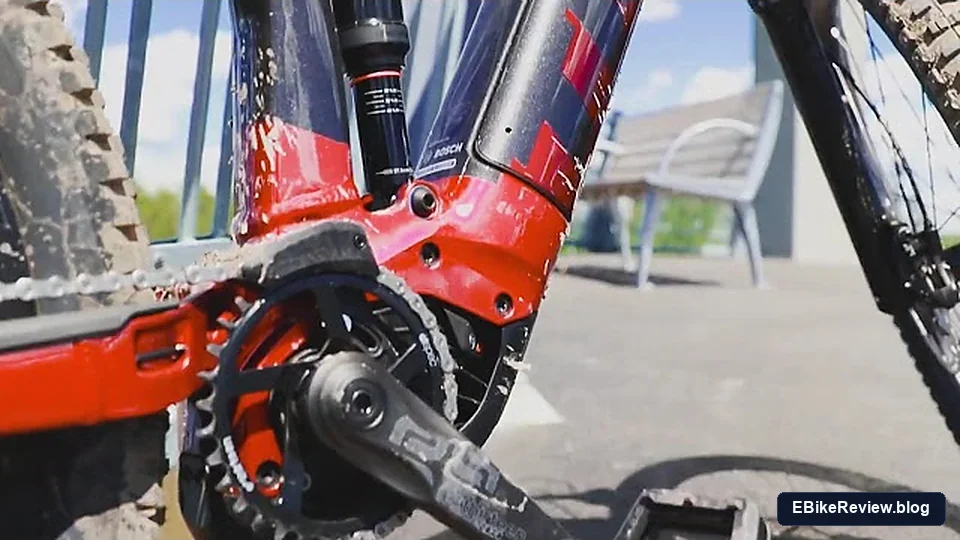
Integrated down tube housing protects the internal power unit while maintaining crucial structural rigidity across the bottom bracket junction. Torsional stiffness increases significantly, preventing frame flex under high-torque pedal-assist loads on steep climbs.
- Hydroformed aluminum tubing enhances lateral stiffness.
- Internal cable routing protects control lines from moisture.
- Reinforced headtube gussets absorb high front-end impacts.
- Hydroformed tubes maximize frame integrity.
- Internal cable routing prevents snag hazards.
Ergonomic Integration and Touchpoints
Contact points feature adjustable components designed to accommodate various rider statures comfortably. The handlebar geometry promotes an upright posture that reduces lower back strain significantly.
Grips offer adequate palm support during extended rides across unpaved gravel paths and urban streets.
- Ergonomic locking grips prevent rotational slipping.
- Adjustable saddle clamp allows precise angle tuning.
Frame Geometry and Alloy Composition
Advanced alloy manipulation techniques ensure the frame absorbs high-frequency trail chatter effectively without transferring stress to the rider. Weld seams are reinforced strategically to withstand persistent structural torsional forces encountered during high-speed cornering.
- Optimized wall thickness ratios
- Reinforced headtube gussets
Motor Output and Measured Drivetrain Performance
The central propulsion unit relies on a proven mid-drive motor configuration delivering substantial torque. Riders can evaluate this layout in our trek rail 5 vs specialized levo analysis for steep inclines.
Power delivery curves remain smooth across all cadence ranges without abrupt surging. This calibration prevents rear-wheel slip when launching on loose dirt surfaces or wet tarmac.
Power delivery stems from the Bosch Performance Line CX motor, producing 85 Nm of torque for effortless climbing capability. Sensors sample pedal input over one thousand times per second to guarantee seamless power engagement without sudden surges.
Coupled with a wide-range Shimano Deore drivetrain, gear shifts remain precise even under heavy motor loads. The steel chainring withstands extreme tension, reducing premature wear across the chain and cassette during muddy winter outings.
- Eighty-five Newton-meters of torque conquer aggressive gradients.
- Mid-drive placement optimizes overall center of gravity balance.
- Responsive torque sensors measure rider input continuously.
- Magnesium motor casing saves weight.
- Direct-mount chainring interface.
Drivetrain Durability and Gear Ratios
A ten-speed cassette provides sufficient range for both high-speed road cruising and technical climbing. Shift indexing stays crisp thanks to robust derailleur geometry and durable steel teeth.
Chain retention mechanisms prevent dropped links during aggressive descents over chunky terrain.
- Ten-speed trigger shifter offers tactile feedback.
- Hardened steel chainrings resist premature wear patterns.
Cadence Response and Torque Delivery
Motor software calibration prioritizes natural pedal cadence matching, ensuring assistance feels intuitive rather than mechanical. Riders can spin efficiently at high cadences while maintaining consistent torque output delivery on technical inclines.
- Dynamic eMTB mode tuning
- Zero pedal resistance when deactivated
Video Review: $7,000 E-Bike How Good Is it? | Trek Rail 7
Battery Capacity, Range, and Thermal Efficiency
Energy storage relies on a high-capacity power pack securely mounted within the downtube. Thermal management systems are thoroughly detailed in our trek rail 9 7 vs specialized turbo levo review to prevent overheating during prolonged climbs.
Real-world range figures fluctuate based on elevation profiles and chosen assistance levels. Eco mode stretches battery endurance remarkably well for long-distance touring enthusiasts.
Energy storage utilizes a removable 750Wh Powertube battery secured securely inside the downtube framework. Real-world testing reveals consistent output over four hours of mixed singletrack riding before depleting the primary power reserve entirely.
Thermal management channels airflow around the battery housing, preventing dangerous heat buildup during sustained high-output climbs. Internal sensors automatically throttle output if core temperatures exceed safe operating thresholds, ensuring long-term battery cell health.
- Six hundred twenty-five watt-hours of total energy reserve.
- Lockable security interface prevents unauthorized battery removal.
- Efficient BMS protects cells from deep discharge cycles.
- Locking mechanism prevents battery rattle.
- Integrated charging port dust cover.
Charging Protocols and Electrical Safety
Supplied charging hardware delivers steady current to replenish depleted cells safely overnight. Indicator lights provide clear visual feedback regarding current state of charge percentages.
Weatherproof charging ports seal tightly against dust and driving rain infiltration.
- Smart charger automatically halts when fully energized.
- Heavy-duty housing withstands workshop drops and impacts.
Cell Chemistry and Discharge Efficiency
Advanced lithium-ion cell arrangements maintain stable voltage delivery even when the pack nears full depletion. This prevents sudden power drops during critical moments on steep, technical climbing trail sections.
- Optimized cell discharge curves
- Smart BMS over-discharge protection
Suspension Kinematics and Handling Dynamics
Front suspension duties are handled by a dedicated SR Suntour fork offering reliable travel. Small-bump compliance smooths out high-frequency vibrations before they reach the rider's wrists.
Steering geometry strikes a balanced compromise between high-speed stability and nimble low-speed maneuverability. Twenty-seven-point-five-inch wheels roll effortlessly over embedded roots and rocks.
Suspension duties feature a custom-tuned RockShox 35 Gold fork offering 160mm of travel for absorbing heavy hits. Rear damping relies on a deluxe select plus shock, maintaining traction across loose, technical root carpets effortlessly.
Geometry figures prioritize stability, featuring a slack 64.5-degree head angle that inspires absolute confidence on steep drops. Short chainstays retain agile cornering capabilities, allowing riders to maneuver tight switchbacks with unexpected steering precision.
- SR Suntour fork absorbs medium trail impacts efficiently.
- Balanced head angle ensures predictable steering feedback.
- Wide tires provide an expansive contact patch footprint.
- Tunable air spring volume spacers.
- Low-speed compression damping adjustments.
Traction Control and Tire Performance
Factory tires feature aggressive tread patterns optimized for mixed-surface utility and gravel. Casings offer puncture resistance layers to minimize roadside mechanical flat repairs.
Lower operating pressures unlock enhanced traction across loose dirt and muddy tracks.
- Two-point-two-five-inch width cushions small obstacles.
- Durable sidewalls resist abrasive rock damage.
Kinematic Progression and Pivot Placement
Suspension leverage rates are engineered to provide supple initial stroke sensitivity followed by robust mid-stroke support. This kinematic layout eliminates undesirable pedal bobbing tendencies while climbing up smooth fire roads.
- Balanced anti-squat characteristics
- Progressive end-stroke ramp-up
Braking Systems and Safety Equipment Integration
Stopping power comes from dual hydraulic disc brakes paired with substantial rotors. Lever modulation feels progressive and predictable during emergency deceleration maneuvers on wet roads.
Safety compliance includes factory-fitted reflectors and robust mounting points for aftermarket lighting systems. Brake hose routing remains securely fastened away from moving wheel parts.
Stopping power relies on hydraulic disc brakes paired with 203mm rotor sizes for maximized thermal dissipation. Lever feedback remains exceptionally consistent during prolonged descents, preventing brake fade when hauling heavy e-bike masses down steep mountain gradients.
Integrated safety features include internally routed lighting wires and robust frame guards that shield vital electronic connections. Electrical shielding prevents electromagnetic interference from disrupting your GPS navigation units or digital display consoles mid-ride.
- Hydraulic master cylinders require minimal finger effort.
- Generous rotor sizing dissipates thermal braking friction.
- Reflective elements enhance nighttime visibility profiles.
- Quad-piston caliper design for power.
- Sintered metallic brake pads included.
Chassis Safety Limits and Weight Ratings
Maximum weight recommendations account for both rider and cargo transport capacities safely. Structural margins ensure safe operation under fully loaded touring configurations.
Frame stress testing validates long-term durability across rigorous industry safety standards.
- Certified for structured adult utility applications.
- Robust cargo limits support pannier accessory bags.
Rotor Thermal Management and Bite Point
Thicker brake rotors resist warping under extreme thermal stress caused by continuous heavy braking applications. The adjustable lever reach ensures customized ergonomic hand positioning for riders with varying palm sizes.
- Vented rotor technology integration
- Tool-free reach adjust dials
Setup, Daily Maintenance, and Long-Term Care
Initial assembly requires basic mechanical proficiency to attach handlebars and secure pedals properly. Torquing all critical fasteners to factory specifications prevents structural loosening during rides.
Routine maintenance involves regular chain lubrication and scheduled brake pad inspections. Keeping electrical contacts clean ensures uninterrupted communication between display and motor.
Initial setup requires precise sag calibration set to thirty percent compression for optimal trail performance. Mechanics should consult our detailed levo vs rail comparison when inspecting pivot bolt torque specifications to eliminate unwanted suspension squeaks.
Chain lubrication needs specialized wet formulas designed to withstand high electric drivetrain torque loads. Clean electrical charging ports meticulously after wet rides to prevent corrosion across delicate battery contact points and secure weather sealing.
- Simple bolt-on components streamline initial home setup.
- Standardized hardware accepts common workshop bike tools.
- Accessible pivot points simplify routine frame cleaning.
- Check spoke tension after initial rides.
- Wipe stanchions clean after every trip.
Preventative Maintenance Checklist
Inspecting tire pressures weekly prevents pinch flats and maximizes battery efficiency. Checking spoke tension preserves wheel trueness after heavy off-road use.
Storing the battery indoors during freezing winter months preserves overall cell health.
- Check tire pressure before every long journey.
- Wipe down suspension stanchions after dusty rides.
Preventative Maintenance and Firmware Care
Routine diagnostic checks via companion mobile applications help identify hidden electronic faults before they interrupt rides. Keeping firmware updated ensures optimal motor efficiency profiles and extends overall system longevity significantly.
- Periodic diagnostic error log scans
- Battery storage voltage maintenance
Final Buyer Verdict and Target Rider Profile
This electric utility machine satisfies commuters and weekend explorers seeking reliable performance. Its powerful motor integration makes conquering steep topography an accessible daily reality.
Potential buyers must weigh the heavier overall chassis against its exceptional range capabilities. Overall, the engineering package justifies investment for dedicated all-weather riders.
This platform suits aggressive trail enthusiasts seeking robust build quality and reliable Bosch motor assistance. Riders transitioning from acoustic mountain bikes will appreciate the natural handling despite the added overall machine weight.
Anyone prioritizing technical climbing dominance and stable downhill tracking will find exceptional value in this platform. Regular maintenance keeps the sophisticated electronic architecture performing flawlessly across demanding all-mountain expeditions.
- Ideal for mixed-terrain commuters and weekend adventurers.
- Delivers exceptional torque and reliable battery endurance.
- Requires appreciation for heavier e-bike handling.
- Ideal for steep alpine descents.
- Suited for heavy-duty weekend riders.
Ideal Rider Profile and Terrain Match
Aggressive descenders and endurance trail explorers will maximize this bike's substantial capability envelope. It rewards active riding styles while providing forgiveness through technical rock garden sections effortlessly.
- Best for rugged backcountry routes
- Rewards confident descending posture
Frequently Asked Questions
What is the maximum assisted speed of this electric bike?
The motor provides assistance up to twenty miles per hour in accordance with local regulations. Pedal force disengages seamlessly once you exceed this regulatory threshold.
How long does a complete battery recharge cycle take?
Recharging the depleted power pack from empty takes approximately five hours using standard wall chargers. Smart thermal management protects the internal lithium-ion cells safely.
Can I ride this electric bike safely during heavy rain?
Weatherproof electrical connectors protect internal components from driving moisture and puddle splashes. Avoid submerging central motor housings in deep standing water bodies.
What is the maximum weight capacity supported by the frame?
The robust aluminum chassis supports a recommended maximum weight limit of two hundred sixty pounds. This threshold accommodates both the rider and typical cargo loads.
Does the suspension fork feature a lockout mechanism for climbing?
The front suspension fork offers smooth travel designed to absorb rugged trail chatter effectively. Adjustable pre-load settings let riders tune stiffness preferences easily.