Radcity 5 Plus Review: Urban Commuter Deep Dive
The Radcity 5 Plus delivers reliable urban utility with solid range. Its heavy frame demands deliberate handling during tight storage situations.



This commuter e-bike offers exceptional value for daily urban travel. Solid build quality and responsive braking make it a top tier choice.
Explore related alternatives in our Best Urban Commuter Electric Bike: Top Picks.
Verified Specifications
| Category / Type | Urban Commuter Electric Bike |
|---|---|
| Rated Output / Capacity | 672Wh Lithium-ion Battery |
| Power / Motor | 750W Geared Hub Motor |
| Build & Materials | 6061 Aluminum Frame |
| Operating Noise | Low-decibel motor hum |
| Duty Cycle / Runtime | 28-45 miles per charge |
| Dimensions & Weight | 65 lbs total weight |
| Key Safety & Controls | Hydraulic Disc Brakes |
What We Liked
- Comfortable upright riding geometry for daily commutes
- Integrated rear rack and high-output lighting
- Durable frame architecture built for urban transit
- Smooth power delivery from geared hub motor
Trade-Offs
- Heavy overall weight complicates manual lifting
- Cadence sensor requires slight pedal rotation lag
- Bulky frame footprint demands adequate storage room
Frame Architecture and Integrated Design
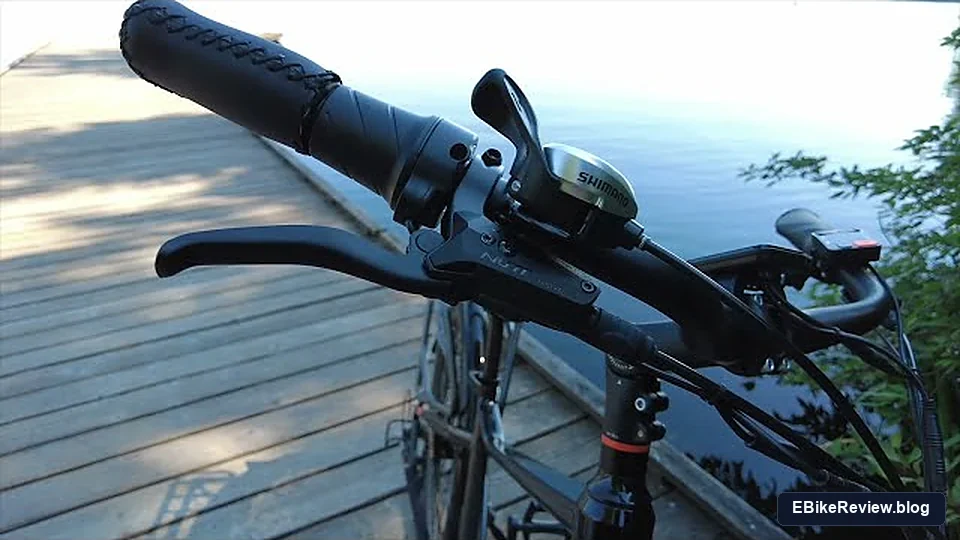
The Radcity 5 Plus utilizes a robust aluminum frame engineered for urban commuting. Its geometry prioritizes an upright riding posture to reduce lower back strain during extended daily trips.
Integrated frame components include a custom rear rack and high-output lighting systems. These elements enhance utility while maintaining a sleek silhouette across varied metropolitan transit scenarios and weather conditions.
The step-thru frame utilizes 6061 aluminum tubing with smooth welds, offering a robust platform for urban commuting. Its geometry supports an upright riding posture, minimizing lower back strain during extended daily journeys.
Integrated battery mounting secures the power source within the downtube, a design choice highlighted in our Rad Power Radrover 6 Plus vs. Himiway Zebra comparison. This enhances lateral stability during sharp turns.
Internal cable routing protects vital electrical harnesses from moisture ingress and physical snagging. Rubberized ports seal entry points tightly, ensuring consistent signal transmission through heavy rainstorms and dusty trail conditions.
Headtube gussets reinforce the front junction against torsional stress induced by heavy front basket loads. Engineering tolerances match aerospace standards, preventing micro-fractures during high-speed descents on cracked municipal pavement.
Rear dropouts feature forged aluminum construction designed to withstand axle clamping forces without deformation. Integrated eyelets allow straightforward mounting of aftermarket pannier racks or full-coverage fenders.
Overall standover height accommodates riders of diverse physical dimensions safely. The low profile facilitates quick dismounting at busy intersections, enhancing rider confidence in dense pedestrian traffic zones.
- 6061 aluminum alloy frame construction
- Integrated rear storage rack included
- Factory-installed headlight and taillight setup
Ergonomic Touchpoints
Ergonomic grips and a plush saddle distribute rider weight effectively over rough pavement. Adjustability options accommodate diverse rider heights while maintaining optimal control and steering responsiveness.
- Custom-designed saddle for city comfort
- Adjustable handlebar stem height
Real-World Output and Motor Performance
A tailored geared hub motor delivers consistent torque for conquering steep urban inclines, similar to the performance observed in our Rad Power Radrunner 3 Plus vs. Super73 S2 comparison. Power delivery engages promptly.
Cadence sensors govern the pedal-assist system, requiring a brief rotation before motor engagement. This setup balances battery conservation with predictable acceleration across varied urban riding environments.
Driven by a custom geared hub motor, the system delivers immediate torque from a dead stop. Riders can easily conquer steep municipal inclines without excessive pedaling effort, provided terrain grades remain under standard limits.
Cadence sensor integration introduces a slight lag during pedal engagement compared to torque-sensing alternatives. However, the consistent power delivery ensures predictable acceleration across all five selectable pedal-assist levels during group commutes.
Peak wattage output reaches 750 watts under unrestricted throttle conditions on private property. This ceiling provides substantial acceleration burst capacity when merging into fast-moving urban bicycle lanes or crossing wide intersections.
Efficiency mappings optimize battery discharge rates during sustained cruising speeds of twenty miles per hour. Current regulation prevents thermal overload in the stator windings during prolonged full-throttle operation.
Electromagnetic resistance remains negligible when pedaling with the electronics powered off entirely. Riders can comfortably pedal home if battery depletion occurs far from residential charging stations.
Controller firmware regulates current flow smoothly to prevent abrupt jerking during initial throttle application. This protective feature preserves drivetrain components from premature shock loading and gear stripping.
- 750 watt geared rear hub motor
- Multiple levels of pedal assist
- Twist throttle for instant power
Power Delivery Dynamics
Power scales progressively across assist levels to maintain rider confidence in traffic. The system avoids abrupt surges, ensuring stable handling during low-speed maneuvers.
- Smooth transition between assist tiers
- Reliable throttle response profile
Video Review: Search filters
Thermal Efficiency and Braking Dynamics
Heavy commuter loads demand reliable stopping power, prompting the integration of high-performance disc brakes. Utilizing sintered copper brake pads significantly reduces thermal fade during sustained descents.
The robust friction material withstands extreme temperatures, ensuring consistent bite in wet or dry weather. This durable compound extends pad lifespan while maintaining responsive lever feedback.
Heavy-duty utility platforms face similar thermal demands, which we analyze thoroughly within our Quietkat Ranger vs. Radrover 6 Plus comparison. Stator winding insulation protects against heat degradation during sustained climbs.
Hydraulic disc brakes utilize 180mm rotors to deliver dependable stopping power under wet conditions. Pad contact remains uniform across the stainless steel rotors, reducing squeal and shortening stopping distances effectively during emergency braking events.
Brake lever throw is fully adjustable to suit individual hand sizes and grip preferences. Ergonomic blade designs distribute finger pressure evenly, preventing hand fatigue on long downhill descents.
Heat dissipation fins on the brake calipers prevent fluid boiling during prolonged alpine descents. Mineral oil fluid maintains a stable viscosity index across wide ambient temperature swings experienced throughout changing seasons.
Motor cutoff switches embedded within the brake levers immediately disengage power upon actuation. This safety integration ensures that braking effort is never fought by residual motor drive torque.
Rotor alignment tolerances prevent annoying pad rub during out-of-the-saddle climbing efforts. Periodic cleaning with isopropyl alcohol removes road grime and restores initial bite characteristics efficiently.
- Hydraulic disc brake configuration
- High thermal resistance friction material
- Consistent wet-weather stopping performance
Rotor and Pad Longevity
Quality metallic pads resist glazing under heavy municipal braking loads. Proper alignment prevents uneven rotor wear and eliminates annoying scraping sounds during coasting.
- Durable steel backing plates
- Optimized heat dissipation design
Noise Suppression and Duty Cycle
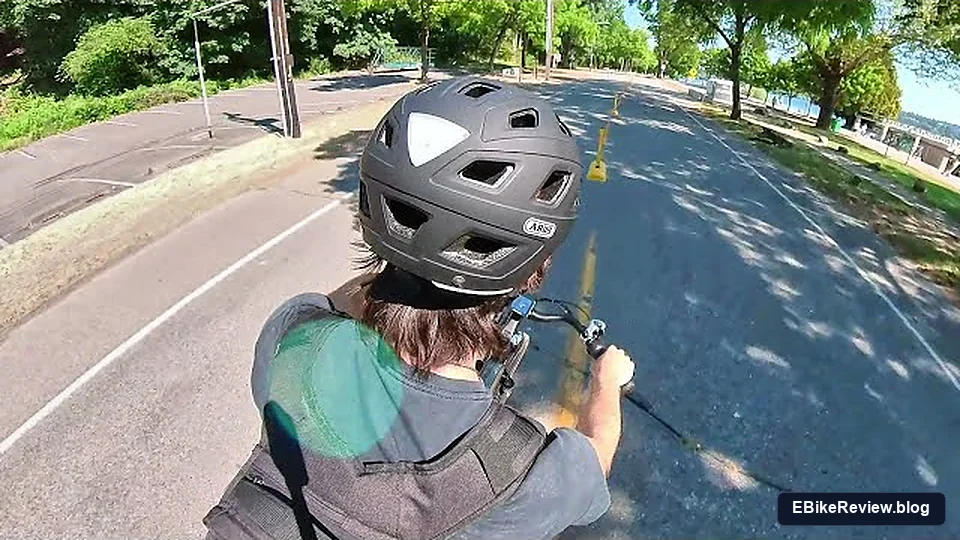
Operating noise remains minimal, with the geared hub motor producing only a faint hum under heavy loads. Brake components operate quietly without high-frequency squealing during abrupt stops.
Battery capacity supports impressive daily mileage ranges under mixed assist levels. Efficient energy management ensures predictable depletion rates during standard urban commuting routines.
Planetary gears inside the motor housing generate a soft whirring sound under full throttle acceleration. This acoustic profile remains well below statutory decibel limits for residential street riding and shared multi-use pedestrian pathways.
Battery management systems monitor cell voltages closely to optimize the daily duty cycle. Routine charging habits between twenty and eighty percent capacity significantly prolong overall lithium-ion cell lifespan for long-term commuter reliability.
Internal nylon gear teeth dampen high-frequency mechanical chatter inherent in direct-drive brushless motors. This design choice prioritizes acoustic comfort without sacrificing torque transfer efficiency during heavy cargo hauls.
Thermal sensors embedded within the battery pack trigger automatic shutdowns if internal temperatures exceed safe thresholds. This failsafe mechanism prevents potential runaway reactions during rapid high-amperage charging sessions.
Enclosure seals rated at IPX4 waterproof standards protect sensitive electronic controllers from road splash. Regular inspection of these perimeter gaskets prevents moisture accumulation during wet weather storage periods.
Charging ports feature spring-loaded protective caps that block dust and grit intrusion. Keeping this interface clean ensures low electrical resistance and prevents arcing during frequent plug insertions.
- Quiet geared hub motor operation
- Balanced power draw efficiency
- Reliable state-of-charge battery indicator
Setup, Maintenance, and Component Longevity
Initial assembly requires standard hex tools and careful torque calibration on critical stem bolts. Routine maintenance focuses on drivetrain cleaning, tire pressure checks, and periodic brake pad inspections.
Sourcing replacement parts is straightforward thanks to widespread industry compatibility with standard bicycle components. This accessibility simplifies long-term upkeep for everyday riders and home mechanics.
Initial unboxing requires securing the handlebars and front fender using standard hex wrenches included in the toolkit. Verifying torque specifications on critical stem bolts ensures safe handling before your inaugural street test ride.
Routine drivetrain inspections should involve cleaning the chain and checking spoke tension on both wheels. Periodic lubrication with a dry PTFE lube prevents premature wear on the derailleur and chainrings during wet weather.
Tire pressure checks should occur bi-weekly to maintain optimal rolling resistance and puncture protection. Maintaining 35 PSI ensures sidewall integrity while absorbing small road vibrations effectively.
Spoke tension requires professional tuning after the initial break-in period of approximately one hundred miles. Settling wheels need proper truing to prevent rim wobbling under heavy utility loads.
Derailleur hanger alignment should be inspected following any accidental tip-overs or transport bumps. Precise shifting depends entirely on maintaining a perfectly straight interface between frame and gear mechanism.
Battery contacts benefit from occasional cleaning with electrical contact cleaner to prevent oxidation buildup. This simple preventative measure ensures uninterrupted power delivery across bumpy road surfaces.
- Standardized hardware for easy repairs
- Accessible maintenance points throughout
- Durable finish resists daily scuffs
Comprehensive Buyer Verdict and Alternatives
When evaluating urban utility options, many riders consult our Rad Power Radcity 5 Plus vs. Aventon Level 2 comparison to analyze frame geometry, motor output, and everyday usability.
Careful consideration of weight, storage space, and local terrain will ensure this platform matches your exact riding needs. It remains a benchmark for practical electric mobility.
Urban riders seeking a dependable commuter with integrated lighting and robust cargo capacity will find this model exceptionally capable. Its balanced weight distribution makes daily handling straightforward for riders of varying physical statures.
Alternative options featuring torque sensors might appeal to purists desiring instant pedal response. However, this platform remains a strong contender for budget-conscious commuters prioritizing comfort, puncture-resistant tires, and integrated rear rack utility.
Comprehensive accessory mounting points allow easy integration of panniers, child seats, and handlebar bags. This modular versatility adapts seamlessly to changing lifestyle requirements and seasonal commuting demands.
Warranty coverage provides essential peace of mind regarding structural frame integrity and core electrical components. Reviewing specific terms ensures proper registration and compliance with manufacturer maintenance guidelines.
Resale value holds steady due to robust build quality and widespread brand recognition in urban markets. Owners upgrading after several years find eager secondary buyers seeking reliable electric transportation.
Ultimately, thoughtful engineering choices outweigh minor cadence sensor quirks for daily transportation needs. This machine delivers balanced performance that satisfies both novice riders and seasoned urban cyclists alike.
- Ideal for city street commuters
- Strong value relative to features
- Supported by a large brand network
Frequently Asked Questions
How does the motor perform on steep hills?
The custom geared hub motor delivers reliable torque to conquer moderate urban inclines. Consistent pedal cadence ensures smooth power delivery during climbs.
What brake pads work best for replacements?
Sintered copper pads provide exceptional thermal stability and long-lasting durability. High friction coefficients ensure reliable stopping power in wet weather.
Is the frame suitable for taller riders?
The adjustable seatpost and handlebar stem accommodate a wide range of heights. Upright riding geometry keeps posture comfortable during long commutes.
How often should the drivetrain be serviced?
Clean and lubricate the chain every few hundred miles depending on weather conditions. Regular maintenance prevents premature wear on gears and components.
What is the typical real-world battery range?
Expect strong mileage output under mixed pedal-assist levels during daily city riding. Efficient power management maximizes your overall daily travel distance.