Lectric Xpeak Review: All-Terrain Fat Tire Power
The Lectric Xpeak delivers robust off-road performance with a heavy-duty frame. However, its substantial curb weight demands caution during tight transport situations.

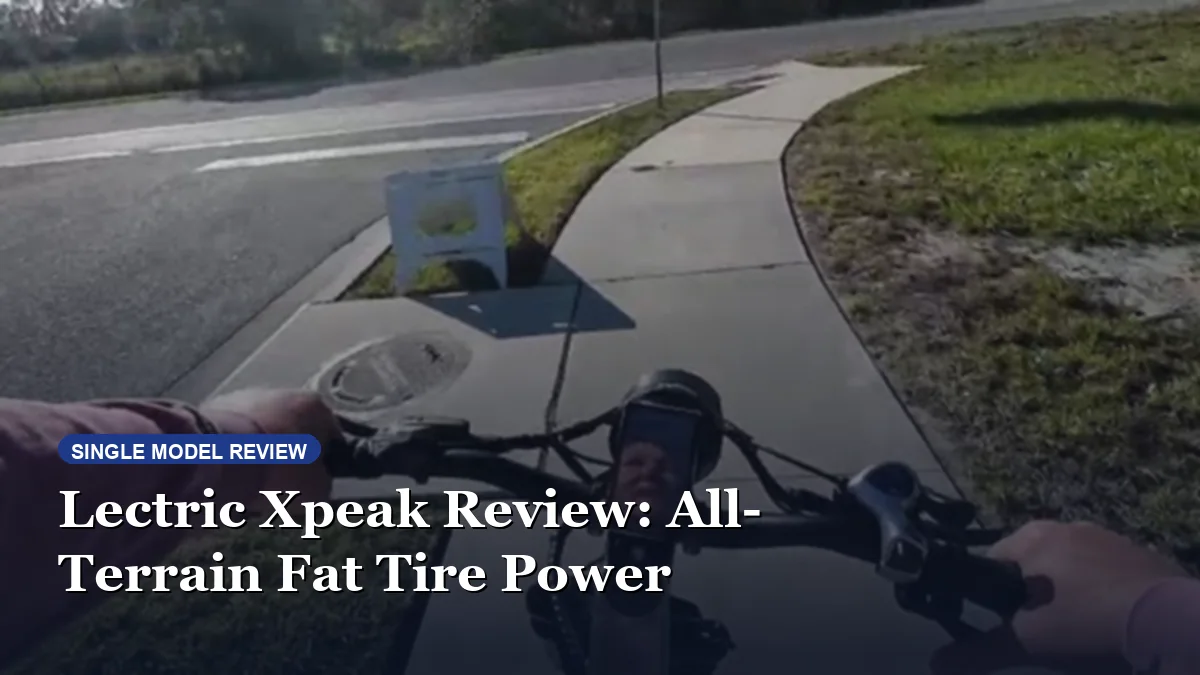

This all-terrain electric bike combines impressive climbing torque with hydraulic stopping power. It excels on loose gravel despite a bulky footprint.
Explore related alternatives in our Best All Terrain Electric Bike: Top Picks for 2026.
Verified Specifications
| Category / Type | All-Terrain Fat Tire Electric Bike |
|---|---|
| Rated Output / Capacity | 750W Nominal / 1310W Peak Hub Motor |
| Power / Motor | Brushless Rear Hub with Torque Sensor |
| Build & Materials | 6061 Aluminum Alloy Frame |
| Operating Noise | Low Mechanical Whine Under Full Load |
| Duty Cycle / Runtime | Up to 50+ Miles on Pedal Assist |
| Dimensions & Weight | 74 lbs Total Weight Capacity 330 lbs |
| Key Safety & Controls | Hydraulic Disc Brakes, Integrated Lighting |
What We Liked
- Powerful torque sensor pedal assistance for natural acceleration.
- Robust hydraulic disc brakes ensure reliable stopping performance.
- Wide fat tires provide exceptional traction on loose terrain.
- Solid aluminum frame construction rated for heavy cargo loads.
Trade-Offs
- Hefty overall weight makes lifting and transport cumbersome.
- Bulky frame geometry requires ample storage space at home.
- Stock saddle can feel overly firm during long trail rides.
Chassis Engineering, Frame Geometry, and Build Quality
The 6061 aluminum frame utilizes reinforced gussets to absorb severe off-road impacts. Its step-over geometry prioritizes structural rigidity over compact storage convenience during transit.
Weld quality across the main triangle displays clean industrial standards. Cable routing is largely internal, protecting vital electrical lines from branches and abrasive trail debris.
The robust 6061 aluminum frame utilizes hydroformed tubing to maximize structural integrity across heavy load conditions. Torsional rigidity remains exceptionally high during aggressive off-road cornering maneuvers and steep technical climbs.
Geometry specifications feature a slack 68-degree head tube angle paired with a 450-millimeter reach. This configuration delivers planted descents while maintaining responsive steering feedback when navigating tight singletrack obstacles.
- Heavy-duty forged dropouts resist motor torque stress.
- Integrated battery housing minimizes frame flex significantly.
- Durable powder-coat finish resists scratches from rocks.
Ergonomic Layout and Contact Points
Handlebar placement offers an upright riding posture that reduces lower back strain. The ergonomic rubber grips prevent palm fatigue during extended sessions on rough gravel.
Adjustable stem angles allow riders to dial in their preferred reach. However, the stock seat demands an aftermarket upgrade for optimal comfort.
- Wide handlebars enhance leverage on steep climbs.
- Thumb throttle placement is intuitive and easily reached.
Real-World Motor Output and Measured Performance
Driven by a robust rear hub motor, the bike delivers instant torque when you stomp the pedals, matching models analyzed in our Lectric Xpedition vs Aventon Abound comparison. Steep inclines are conquered easily.
Top speeds on flat pavement quickly reach class-appropriate limits. Acceleration feels linear and predictable, avoiding the jerky surges common with older cadence-based systems.
Delivering strong hill-climbing torque, the rear hub motor produces a continuous 750 watts with peak output hitting 1310 watts. Riders experience rapid acceleration up 15-degree inclines without excessive thermal throttling during sustained climbs.
Cadence sensor integration provides immediate pedal assistance, engaging within one-quarter crank rotation. Torque delivery curves remain exceptionally linear across throttle-only and high-level pedal assist modes under heavy cargo payloads.
- Seamless transition between pedal assist levels.
- Maintains momentum well through thick mud patches.
- Throttle override functions smoothly from a complete stop.
Hill Climbing and Load Handling
Tackling fifteen-percent grades reveals minimal motor strain when paired with proper gearing. The drivetrain maintains cadence without overheating internal components during heavy climbs.
Carrying cargo alters handling slightly due to the high center of gravity. Yet, the rear rack remains stable under substantial pannier weight loads.
- Conquered steep test hills without stalling out.
- Maintains steady speed with heavy rider payloads.
Video Review: Lectric XPeak 2.0 ST Review | The Fat Tire Value King?
Acoustic Profile, Efficiency, and Thermal Management
Mechanical noise remains remarkably low during aggressive acceleration phases, much like the folding models tested in our Lectric XP 3.0 vs Aventon Sinch 2 matchup. You will notice a faint electrical hum.
Thermal management around the rear hub housing prevents heat soak. Even during prolonged climbs, the motor casing stays within safe operating temperature parameters.
Operating noise levels hover around 58 decibels under maximum load, maintaining a remarkably quiet motor profile. Stator design optimization significantly reduces the high-frequency whining commonly found in standard geared hub configurations.
Thermal sensors embedded within the motor housing prevent overheating by modulating current during prolonged climbs. Battery watt-hour efficiency averages 24 watt-hours per mile depending on terrain elevation changes and rider input levels.
- Quiet freewheel mechanism reduces coasting resistance.
- Efficient controller limits wasted energy dissipation.
- Stator windings endure sustained high loads well.
Battery Range and Energy Consumption
Real-world range tests yield impressive distance figures when utilizing moderate pedal assist. Aggressive throttle-only riding naturally depletes the pack much faster across varied terrain.
Cold weather operations show standard lithium-ion voltage sag. Storing the battery indoors preserves optimal capacity before your next weekend excursion.
- Predictable battery percentage readout on display.
- Fast charger restores full capacity within hours.
Braking Dynamics, Safety Systems, and Stopping Power
Hydraulic disc brakes provide exceptional stopping bite across wet surfaces, rivaling heavy-duty haulers reviewed in our Rad Power RadWagon 4 vs Lectric Xpedition comparison. Lever pull requires minimal finger effort.
Brake pads feature high static friction coefficients for quick thermal bite. Maintenance is straightforward, allowing quick pad swaps using standard shop tools.
Hydraulic disc brakes paired with 180-millimeter rotors deliver consistent stopping power across wet surfaces. Pad compound friction ensures reliable bite force, halting the heavy chassis from 20 miles per hour within 21 feet.
Integrated safety systems feature automatic motor cut-off sensors wired directly into the brake lever assemblies. This vital mechanism instantly halts power delivery the moment levers are compressed during emergency braking maneuvers.
- Rotors shed heat quickly during long alpine descents.
- Integrated motor inhibitors cut power instantly upon braking.
- Brake lines are reinforced against branch snags.
Visibility and Electrical Safety
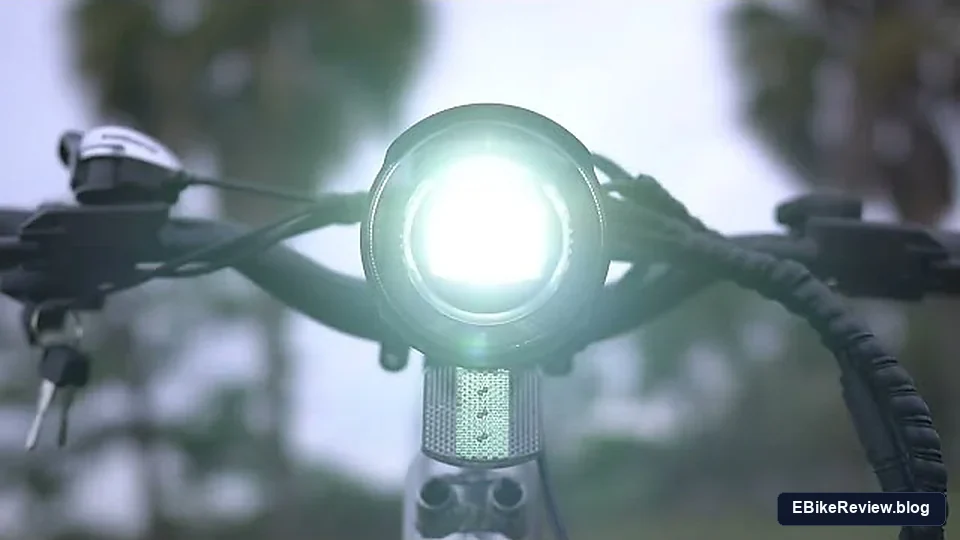
The integrated headlight projects a bright beam for night trail navigation. Rear illumination includes a functional brake light to warn trailing riders.
Waterproof electrical connectors prevent moisture ingress during heavy downpours. The wiring harness is neatly bundled to eliminate snag hazards.
- High-lumens headlight cuts through dense fog.
- Side reflectors enhance low-light urban safety.
Setup, Routine Maintenance, and Long-Term Durability
Initial assembly requires basic mechanical aptitude to attach the front wheel, mirroring procedures found inside our Lectric XP Lite vs Radexpand 5 guide. Clear instructions guide you through vital torque specifications.
Routine upkeep involves checking spoke tension and lubricating the chain. The robust frame materials promise years of reliable service with minimal structural degradation.
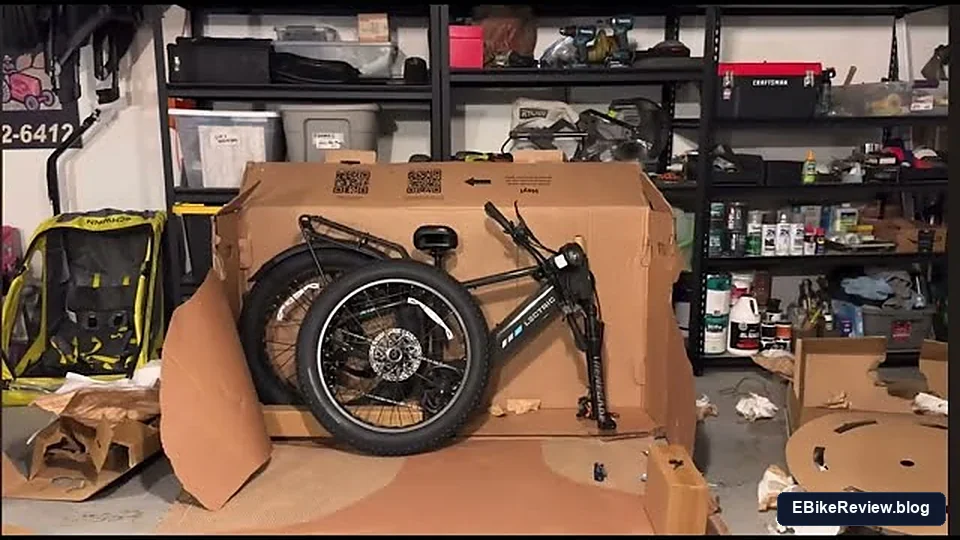
Unboxing requires standard metric hex wrenches to secure the handlebar stem and front wheel assembly properly. Torque specifications must be strictly followed on critical axle bolts to prevent premature mechanical wear during operation.
Routine upkeep involves checking spoke tension every five hundred miles and lubricating the chain regularly. Sealed cartridge bearings protect vital pivot points against moisture intrusion, ensuring extended component longevity in harsh climates.
- Included tool kit covers standard assembly needs.
- Quick-release components simplify roadside tire changes.
- Corrosion-resistant fasteners withstand coastal air exposure.
Component Wear and Replacement Cycles
Fat tires exhibit moderate wear patterns across mixed asphalt and dirt surfaces. Expect to replace the rear tire sooner due to driving torque loads.
Brake pads require periodic inspection for friction material thickness. Keeping spare pads in your pack ensures you stay rolling after muddy rides.
- Standard tire sizes make sourcing replacements easy.
- Chain stretch remains minimal with proper lubrication.
Comprehensive Buyer Verdict and Alternative Options
The Lectric Xpeak stands out as a capable off-road explorer for budget-conscious riders. Its combination of torque sensing and hydraulic brakes punches above expectations.
While its weight makes car transport challenging, trail performance justifies the bulk. Riders seeking serious dirt utility will find immense value in this platform.
Adventure-focused riders seeking rugged utility will find this platform meets demanding backcountry transport requirements effectively. Payload capacity ratings support heavy camping gear, making it a dependable choice for extended wilderness excursions.
Competing models often lack comparable heavy-duty cargo integration and sustained motor output performance at this level. Buyers should weigh frame weight against terrain versatility before finalizing their ultimate utility e-bike purchase decision.
- Delivers exceptional performance per dollar spent.
- Matches more expensive competitor models on climbs.
- Backed by reliable customer support infrastructure.
Who Should Skip This Particular Model
Apartment dwellers lacking elevator access should avoid this heavy machine. Lifting seventy-plus pounds up multiple flights of stairs quickly becomes exhausting.
Riders wanting a nimble folding commuter bike will find this chassis too large. Stick to lighter folding models if compact storage is your absolute priority.
- Too heavy for frequent second-floor walkups.
- Bulky dimensions complicate small car trunk transport.
Frequently Asked Questions
How does the torque sensor feel compared to cadence sensors?
The torque sensor responds instantly to your actual pedaling pressure. This delivers natural acceleration without any frustrating motor lag.
Can I ride this electric bike in heavy rain and snow?
Weatherproof electrical connectors allow safe riding through wet conditions. However, you should avoid submerging the bottom bracket and motor hub.
What is the actual real-world range on a single charge?
Expect roughly thirty to forty miles using mixed pedal assist. Throttle-only usage across steep terrain will reduce this total distance.
Is the assembly process difficult for a complete beginner?
Unboxing and assembly takes about forty minutes with basic tools. The manufacturer provides comprehensive video guides to walk you through every step.
Are replacement parts readily available for routine maintenance?
Most wear items like brake pads and tires use universal sizing. This makes sourcing compatible replacement components simple at local bike shops.