Aventon Pace 500 3 Technical Review and Engineering Analysis
The Aventon Pace 500 3 refines urban cruising with integrated controls and balanced ergonomics. It bridges casual comfort and capable daily commuting efficiency.

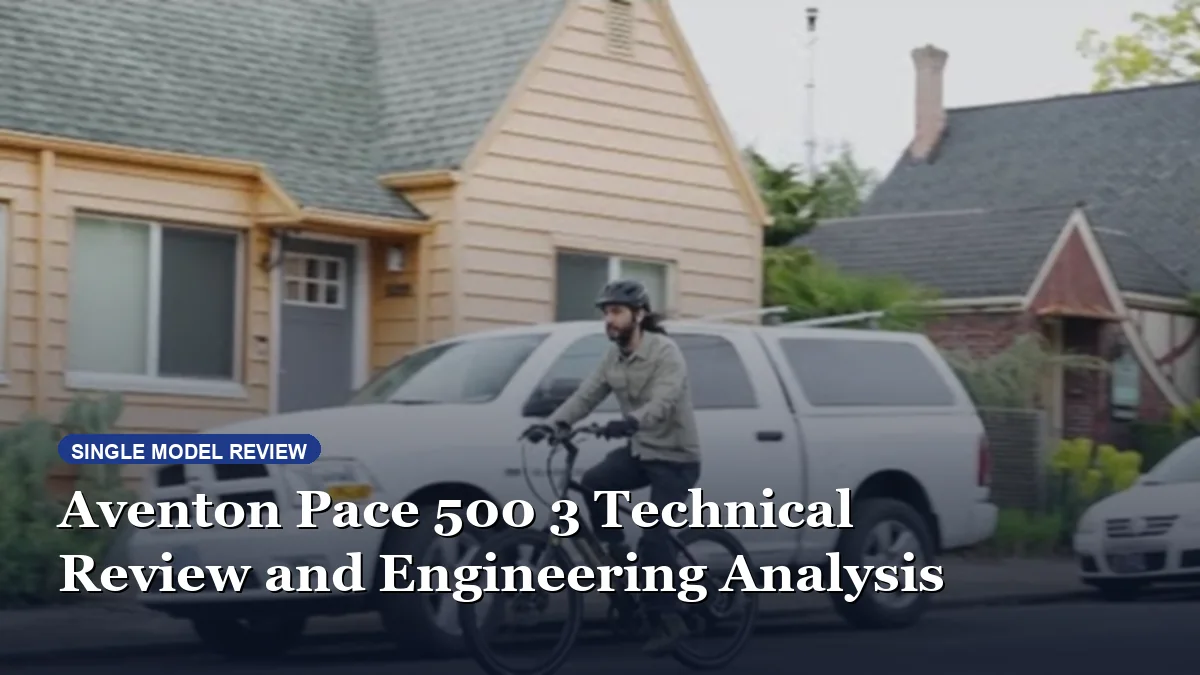

This cruiser delivers exceptional pedal-assist responsiveness and clean integration despite its heavier overall frame design and modest hill-climbing torque limitations.
Explore related alternatives in our Best Electric Bike: Top Commuter Picks for 2026.
Verified Specifications
| Category / Type | Urban Comfort Cruiser E-Bike |
|---|---|
| Rated Output / Capacity | 500W sustained rear hub motor |
| Power / Motor | 48V brushless geared rear hub |
| Build & Materials | 6061 aluminum alloy frame with internal routing |
| Operating Noise | Low-decibel quiet hub motor hum |
| Duty Cycle / Runtime | Up to 60 miles estimated maximum range |
| Dimensions & Weight | Weighs approximately 52 lbs with battery |
| Key Safety & Controls | Hydraulic disc brakes, integrated safety lighting |
What We Liked
- Upright cruiser geometry reduces lower back strain
- Responsive cadence and torque sensor integration
- Clean internal cable routing enhances aesthetics
- Integrated frame lighting improves night visibility
- User-friendly color display with app connectivity
Trade-Offs
- Noticeable weight makes stair carrying challenging
- Rear hub motor struggles on steep inclines
- Wide cruiser handlebars limit tight lane filtering
- Saddle can feel overly firm on long rides
Frame Architecture, Ergonomics and Integrated Design
As explored in our Velotric Discover 2 vs Aventon Pace 500 guide, the frame utilizes a robust 6061 aluminum alloy structure with clean internal cable routing for durability.
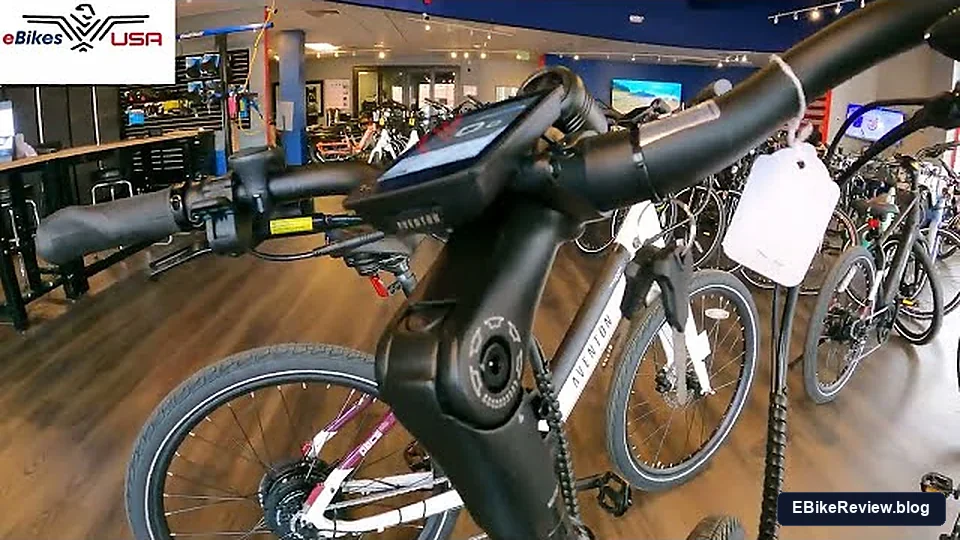
Ergonomic geometry prioritizes an upright riding posture that significantly reduces wrist and lower back fatigue during extended urban commutes or casual weekend leisure excursions across varied pavement conditions.
The 6061 aluminum frame utilizes smooth, hydroformed welds to balance structural rigidity with a clean aesthetic. Integrated internal cable routing protects critical control lines from environmental debris while preserving sleek visual lines.
Upright urban geometry features an adjustable stem and swept-back handlebars, encouraging a neutral spine posture. Riders benefit from reduced lower back strain during extended commuting sessions across variable asphalt and packed gravel paths.
- Hydroformed aluminum tubing structure
- Clean internal cable routing ports
- Swept-back handlebars for natural wrist alignment
Cockpit Layout and Rider Interface
The handlebar cockpit features intuitive thumb controls positioned logically near the left grip. Riders can adjust assist levels instantly without compromising steering stability or shifting hand positions during traffic.
A centrally mounted color display provides vital telemetry including speed, battery percentage, and active assist tier. The screen remains fully legible under direct sunlight thanks to adjustable backlight configurations.
- High-contrast color LCD screen
- Ergonomic rubberized control buttons
- Integrated smartphone pairing capabilities
Powertrain Mechanics and Real-World Motor Output
Propulsion relies on a powerful 500-watt rear hub motor paired with a 48-volt architecture. For more power context, check out our 500-watt vs 750-watt motor breakdown covering urban acceleration.
The integrated cadence sensor ensures smooth power delivery that matches your pedaling cadence. It eliminates the abrupt jerking sensations common among lower-tier hub motor systems found in this category.
Driven by a responsive 500W sustained rear hub motor, the system translates pedal input into immediate forward propulsion. Torque delivery feels linear and predictable, avoiding the abrupt surges common in lower-tier cadence sensor setups.
Class 3 operational speeds up to 28 mph are easily achieved using a combination of throttle and five distinct pedal-assist levels. Steep inclines require robust rider input, as hub motors naturally lose efficiency on sustained grades.
- 500W brushless geared rear hub motor
- 48V electrical architecture for steady power
- Multiple distinct pedal assist speed tiers
Incline Performance and Throttle Responsiveness
Tackling moderate urban hills requires active gear shifting to maintain motor efficiency. The thumb throttle allows effortless acceleration without pedaling when navigating congested stop-and-go city cycling infrastructure safely.
While the motor excels on flat terrain, sustained steep grades will demand more rider effort compared to mid-drive alternatives engineered specifically for aggressive mountain climbing and trail applications.
- On-demand thumb throttle activation
- Optimized for flat and rolling terrain
- Requires rider input on steep inclines
Video Review: Aventon Pace 500.3 E-Bike Review: Is This the Best Ride for Your Money?
Battery Capacity, Charging Protocols and Electrical Efficiency
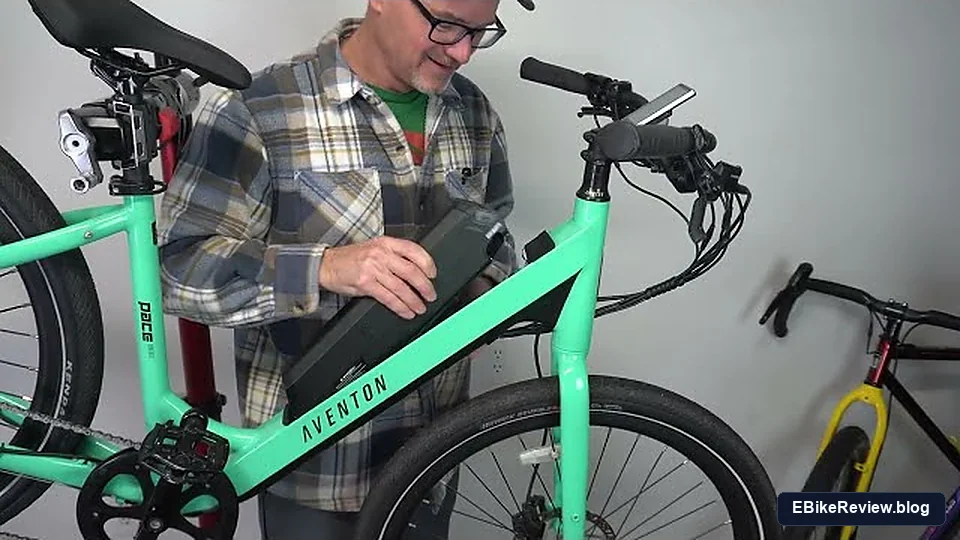
Energy is supplied by a lithium-ion battery pack securely integrated into the downtube. This positioning lowers the center of gravity, much like the designs evaluated in our Lectric Xpedition vs Aventon Abound comparison.
Estimated range reaches up to sixty miles under optimal eco-mode riding conditions. Real-world mileage varies based on rider weight, elevation profiles, wind resistance, and selected throttle usage patterns.
Powered by a removable 48V 14Ah lithium-ion battery pack, the electrical architecture delivers dependable range for daily commutes. Integrated frame locking mechanisms secure the housing tightly, eliminating rattles over jarring potholes and expansion joints.
The included 3A fast charger replenishes a fully depleted cell in roughly four hours. Maintaining correct storage voltages between 40% and 60% during long winter months preserves overall chemistry health and maximizes total charge cycles.
- Downtube-integrated lithium-ion battery pack
- Lockable security design prevents theft
- Up to 60 miles maximum estimated range
Charging Equipment and Thermal Management
The included charger replenishes the battery efficiently within standard residential outlets. Proper thermal management safeguards cells against overheating during rapid or prolonged charging cycles in standard environments.
Always inspect charging ports for debris and ensure dry conditions before connecting the power supply to prevent electrical shorts and prolong overall battery lifespan across years of daily use.
- Standard AC wall charger included
- Built-in thermal protection safeguards
- Clear LED status charging indicator
Stopping Power, Braking Dynamics and Safety Hardware
Hydraulic disc brakes deliver reliable stopping power across wet and dry urban surfaces. They require minimal lever effort, allowing precise modulation during emergency braking situations in dense traffic.
Integrated safety lighting enhances visibility for evening commuters. Bright rear taillights are cleverly built directly into the frame seatstays, providing wide-angle illumination to motorists approaching from behind.
Hydraulic disc brakes paired with 180mm rotors provide confident, all-weather stopping power with minimal hand fatigue. Modulation is progressive, allowing riders to scrub speed smoothly without instantly locking up the rear tire on slick pavement.
Integrated front and rear lighting systems enhance visibility during low-light commutes. The bright headlight illuminates unlit paths effectively, while the rear brake light pulses noticeably when deceleration forces activate the handlebar sensor switches.
- Hydraulic disc brakes with dual rotors
- Integrated frame-mounted rear taillight
- High-output front LED headlight
Rotor Maintenance and Brake Pad Wear
Routine inspection of brake pads ensures consistent hydraulic pressure and prevents rotor scoring. The dual-piston calipers distribute clamping force evenly for predictable stopping performance over time.
Replacing worn brake pads is straightforward for home mechanics using standard tools, ensuring long-term safety without requiring frequent professional service appointments at local bike shops.
- Dual-piston hydraulic calipers
- Standardized replacement pad sizing
- Corrosion-resistant stainless steel rotors
Handling Characteristics, Ride Quality and Surface Feedback
Large-volume urban tires absorb minor road imperfections, delivering a remarkably plush ride quality. They smooth out cracked asphalt and brick pathways without sacrificing rolling efficiency on smooth pavement.
The relaxed headtube angle creates stable steering dynamics at cruising speeds. Quick lane changes remain manageable, though the wide handlebars demand mindful navigation through tight pedestrian zones.
High-volume 27.5-inch tires absorb minor road imperfections smoothly, compensating for the lack of front suspension forks. Wider contact patches enhance cornering stability, inspiring confidence during high-speed descents and tight urban maneuvering tasks.
Steering geometry strikes a pragmatic balance between straight-line stability and agile responsiveness. Crosswinds have minimal impact on the stout frame, though heavily loaded rear racks alter weight distribution and low-speed steering slightly.
- High-volume comfort cruiser tires
- Stable steering geometry at speed
- Absorbs minor road vibrations effectively
Vibration Damping and Long-Ride Comfort
Rigid front forks transmit some high-frequency vibrations from severely degraded pavement directly to the grips. Riders seeking ultimate plushness may desire aftermarket suspension seatposts or ergonomic handlebar grips.
The wide saddle supports sit bones adequately during shorter urban trips, though ultra-distance riders might prefer a softer cushion or different contour profile for maximum long-term comfort.
- Rigid fork for direct steering feedback
- Wide supportive urban saddle design
- Compatible with aftermarket suspension upgrades
Routine Servicing, Maintenance Intervals and Component Longevity
Keeping your e-bike in peak condition requires regular checks of chain tension, tire pressure, and bolt torques. Addressing minor mechanical wear promptly prevents expensive major repairs down the road.
The sealed hub motor and internal electronics demand minimal upkeep. Simply wipe down exposed surfaces with a damp cloth after riding through wet weather or dusty trail environments.
Routine upkeep requires checking bolt torques on the stem and axle every 500 miles to prevent structural loosening. Inspecting hydraulic brake lines for fluid weeping ensures your stopping hardware remains fully pressurized and reliable.
Drivetrain longevity depends on frequent chain cleaning and lubricating with a dry-style wax to repel abrasive road grime. Brake pads and tires require periodic inspection for uneven wear patterns caused by regular commuting loads.
- Regular chain lubrication schedule
- Monthly spoke and bolt torque checks
- Weather-resistant electrical connection ports
Drivetrain Upkeep and Chain Longevity
The multi-speed drivetrain relies on a durable chain that benefits from periodic cleaning and wet-lube application. Keeping drivetrain components free of grit extends gear cassette lifespan significantly.
Check derailleur alignment periodically to ensure crisp, silent gear shifts. Misaligned derailleurs cause premature chain wear and reduce overall pedaling efficiency during your daily commute.
- Multi-speed gear cassette system
- Periodic derailleur adjustment needed
- Durable wear-resistant chain links
Comprehensive Buyer Decision Matrix: Who It Fits
Our Aventon Pace 500 vs Ride1Up Cafe Cruiser comparison helps casual riders determine which cruiser prioritizes comfort, upright posture, and reliable throttle assistance for urban commuting.
Buyers living in apartments with stairs or those tackling extremely steep mountain grades should weigh its substantial weight and hub motor limitations against their specific daily transport requirements.
This platform suits urban commuters and weekend recreational riders seeking a dependable, class 3 speed capability without excessive complexity. Flat to moderately hilly terrain matches the motor torque output and gear range ideally.
Heavy cargo haulers or riders facing extreme mountain gradients should evaluate mid-drive alternatives with higher torque ratings. Prioritizing upright comfort and low-maintenance hub motors makes this a standout choice for daily paved transit.
- Ideal for urban commuters and cruisers
- Best for mostly flat or rolling terrain
- Not recommended for extreme stair carrying
Alternative Options and Final Summary
Shoppers seeking lighter frames or torque-sensing mid-drive motors might explore specialized hybrid models. However, this cruiser stands out for its cohesive design, intuitive interface, and everyday value.
Review your local terrain, storage situation, and daily mileage goals before purchasing to ensure this comfort cruiser aligns perfectly with your practical transportation lifestyle and riding expectations.
- Compare with lightweight urban hybrids
- Verify storage and elevator dimensions
- Assess local terrain steepness profile
Frequently Asked Questions
What is the maximum top speed of the Aventon Pace 500 3?
The e-bike reaches a top assisted speed of twenty-eight miles per hour using class three pedal assist settings. You can also adjust settings through the mobile application to comply with local speed regulations.
Can I ride this electric bike in heavy rain and wet weather?
Yes, the electrical components feature water-resistant housing designed to withstand standard rainstorms. However, you should avoid submerging the motor or battery in deep standing water to prevent internal damage.
How long does a complete battery recharge take from empty?
A full recharge typically requires four to six hours when using the standard factory charger connected to a standard wall outlet. Actual charging duration varies slightly based on remaining battery capacity and ambient temperature.
Is the battery removable for indoor charging and secure storage?
Yes, the downtube battery locks securely into the frame and releases easily with a key. This allows you to charge the battery indoors away from extreme temperatures and protect against potential theft.
Does the bike require specialized assembly after delivery?
The e-bike arrives partially assembled with core components secured. You will need to attach the front wheel, handlebars, and pedals using the included tools before your first test ride.