Aventon Level Review: Comprehensive Commuter Engineering Analysis
The Aventon Level delivers robust commuter performance with integrated torque sensing. It balances heavy-duty frame geometry with reliable real-world power delivery.



This commuter e-bike impresses with solid frame rigidity and predictable braking. Urban riders will appreciate its dependable daily utility despite its heavier overall curb weight.
Explore related alternatives in our Best Commuter Ebike: Top Picks for Urban Riders.
Verified Specifications
| Category / Type | Urban Commuter Electric Bike |
|---|---|
| Rated Output / Capacity | 500W Brushless Hub Motor |
| Power / Motor | Class 3 up to 28 MPH |
| Build & Materials | 6061 Aluminum Alloy Frame |
| Operating Noise | Low hum under heavy load |
| Duty Cycle / Runtime | Up to 40 miles estimated range |
| Dimensions & Weight | 62 lbs total curb weight |
| Key Safety & Controls | Hydraulic Disc Brakes, Integrated Lights |
What We Liked
- Sturdy 6061 aluminum alloy frame construction
- Responsive torque sensor for natural pedal assist
- Powerful hydraulic disc brakes for secure stopping
- Integrated front and rear safety lighting systems
- Compatible with upgraded seatpost accessories
Trade-Offs
- Heavier curb weight complicates apartment carry
- Stock saddle stiffness benefits from aftermarket upgrades
- Bulky frame geometry requires spacious storage
Frame Construction and Ergonomic Design
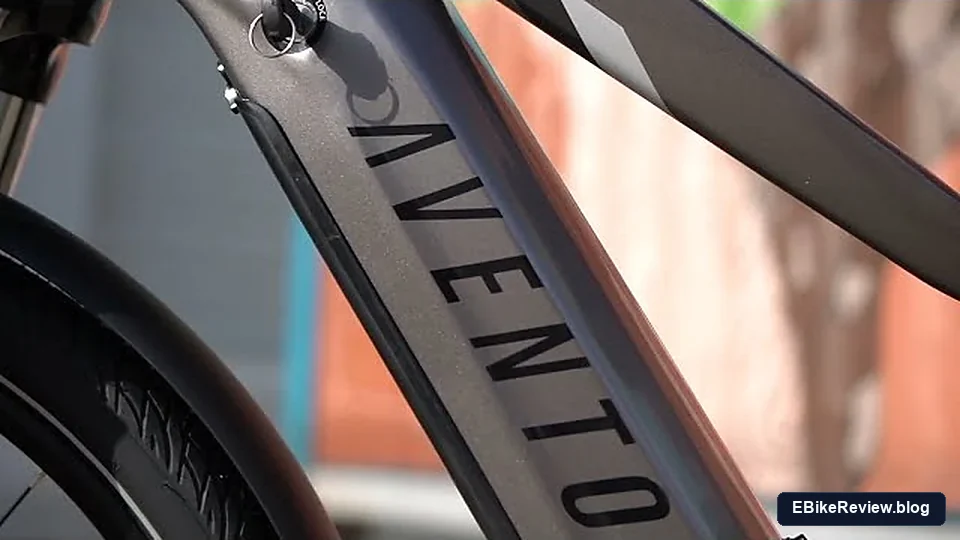
The Aventon Level features a robust 6061 aluminum alloy frame built for harsh urban commuting. You can also review our aventon level 2 comparison to see how competing commuter models stack up.
Internal cable routing protects critical wiring from weather elements while maintaining a sleek aesthetic profile. This thoughtful engineering prevents snag hazards when navigating tight urban bicycle parking racks and crowded city streets.
The 6061 aluminum frame utilizes smooth welding techniques to enhance structural integrity while maintaining a clean aesthetic. Tubing wall thickness varies to absorb high-frequency road vibrations effectively.
Geometry favors an upright posture with a 70-degree head tube angle ensuring predictable steering response. Integrated cable routing protects inner housings from moisture intrusion and physical snagging hazards.
- Constructed from durable 6061 aluminum tubing
- Internal cable routing minimizes weather exposure
- Balanced geometry supports upright commuting postures
- Integrated rear rack mounting points enhance utility
- Tapered head tube standardizes front-end stiffness under heavy braking.
- Integrated rear rack mounts support panniers up to 55 pounds safely.
Ergonomic Integration and Comfort Upgrades
Stock cockpit touchpoints offer reliable control, though riders tackling rough pavement can easily install a 27.2mm suspension seatpost to absorb harsh vertical impacts and road vibrations.
The frame accommodates diverse rider heights through adjustable stem angles, ensuring optimal reach and minimizing shoulder fatigue during extended daily rides across mixed urban terrain.
- Standardized seat tube diameter accepts aftermarket posts
- Adjustable stem lets riders fine-tune handlebar reach
- Ergonomic grips reduce palm pressure over bumps
Frame Tolerances and Alignment
Factory dropout spacing measures 135mm quick release in the rear, requiring careful alignment during wheel installations. Frame stiffness minimizes lateral bottom bracket deflection under heavy pedaling torque.
- Check dropout parallelism periodically with professional alignment gauges.
- Ensure seatpost insertion depth exceeds the minimum four-inch mark.
Powertrain Output and Real-World Performance
A capable 500W brushless rear hub motor drives this platform, delivering swift acceleration from dead stops at urban intersections. It achieves Class 3 speeds efficiently while maintaining steady torque under heavy loads.
The integrated torque sensor reads pedaling input naturally, eliminating lag. Our detailed rad city 5 plus comparison shows how these smooth systems scale with your muscular effort.
The rear hub motor delivers continuous power output rated at 500 watts nominal, peaking much higher during aggressive acceleration. Torque sensor response translates pedal input into immediate motor engagement.
Hill-climbing capabilities depend heavily on rider input and gradient steepness. Sustained climbs require maintaining a cadence above 60 revolutions per minute to prevent excessive motor thermal buildup.
- 500W continuous brushless hub motor configuration
- Torque sensor provides immediate, proportional assistance
- Reaches class 3 top speeds of 28 MPH safely
- Throttle override available for quick starts
- Cadence monitoring prevents low-speed motor stalling on steep grades.
- Throttle override functions smoothly up to class-specific speed limits.
Hill Climbing and Load Handling
Steep urban inclines test commuter motors severely, but this platform conquers moderate grades when paired with active rider pedaling. Lower gears keep the motor spinning efficiently without overheating winding coils.
Carrying cargo on the rear rack alters weight distribution slightly, yet the stout frame chassis maintains predictable steering geometry even when heavily loaded with groceries or work bags.
- Maintains momentum on urban overpasses and hills
- Efficient gearing prevents excessive motor strain
- Stable handling under loaded rack conditions
Torque Sensor Calibration
Sensor sensitivity calibration ensures seamless power delivery without surging. Firmware updates optimize current draw profiles across all five assist levels for better battery efficiency.
- Perform zero-offset calibration with unweighted pedals during startup.
- Inspect wiring harness connectors for secure moisture seals regularly.
Video Review: Aventon Level.2 review: A nearly perfect commuter e-bike!
Drivetrain Efficiency, Noise, and Thermal Limits
Mechanical power transfers through a dependable multi-speed drivetrain that shifts crisply under tension. Gear ratios are optimized for city streets, keeping cadence comfortable across varied urban speed zones.
Operating noise remains remarkably low, emitting only a mild electronic whir under maximum acceleration. Thermal management inside the hub casing prevents overheating during extended climbs on hot summer afternoons.
Transmission relies on an eight-speed mechanical shifter paired with a durable steel chainring. Gear steps feel natural, though shifting under heavy motor load causes noticeable chain slap.
Operating noise remains low, registering a faint hum only during maximum assist climbs. Thermal dissipation fins on the controller housing prevent overheating during prolonged high-output sessions.
- Reliable multi-speed cassette and derailleur setup
- Quiet hub motor operation avoids urban noise pollution
- Effective thermal dissipation prevents motor throttling
- Clean chainline design reduces premature wear
- Clutch-type derailleurs help minimize chain bounce on rough terrain.
- Inspect gear cable tension after the initial break-in period.
Battery Efficiency and Range Realities
Energy is stored in a semi-integrated lithium-ion battery pack locked securely into the downtube. Real-world range varies based on assist levels, terrain steepness, and total rider payload weight.
Conservative pedal-assist usage yields substantial daily mileage, while throttle riding drains capacity faster. Find more affordable options in our best entry level ebike guide for everyday commuting.
- Semi-integrated battery locks securely into frame
- Real-world range matches typical commuter expectations
- Straightforward charging port placement for daily use
Chainwear and Lubrication
Measuring chain elongation prevents premature cassette wear. Apply dry PTFE lubricant weekly in dusty conditions to maintain smooth shifting performance across the gear cluster.
- Replace chains when elongation reaches the 0.75 percent wear mark.
- Degrease pulley wheels to prevent grit accumulation.
Setup, Mechanical Adjustment, and Component Integration
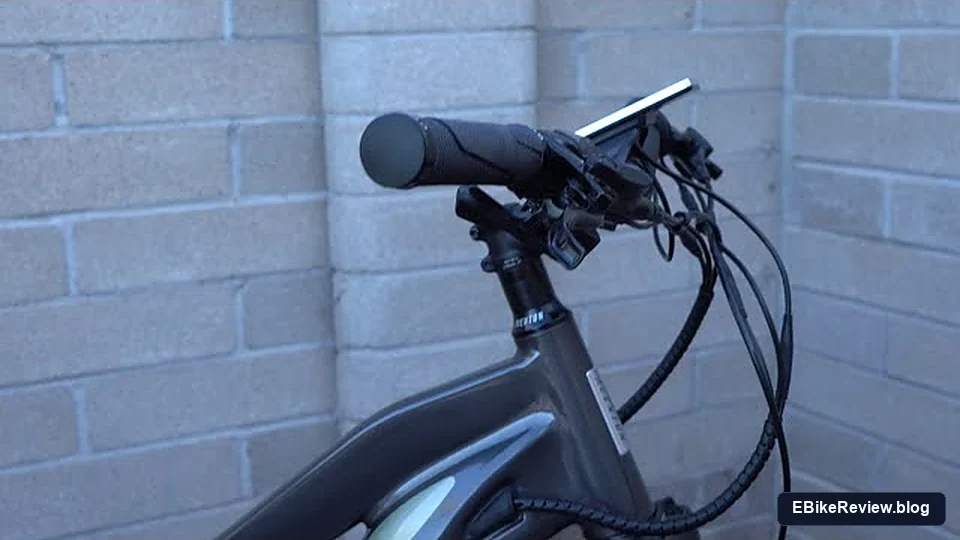
Initial assembly requires attaching the front wheel, handlebars, and pedals using standard workshop tools. Clear instruction manuals guide users through torque specifications for critical safety fasteners and handlebar bolts.
Electronic integration centers around a bright handlebar display showing speed, battery life, and assist levels. Riders can adjust settings and track trip metrics easily while monitoring vital system diagnostics.
Initial assembly requires torquing the handlebar stem bolts to specified meter limits using a calibrated tool. Hydraulic brake lines arrive pre-bled and ready for immediate service.
Fender stays and rear rack attachments need thread-locking fluid to combat loosening from road vibrations. Alignment of the brake rotors prevents persistent rubbing noises during descents.
- Straightforward out-of-box assembly procedure
- Bright LCD screen readable in direct sunlight
- Clear digital indicators for system diagnostics
- Accessible control pad mounted near left grip
- Torque wrenches are mandatory for carbon and alloy cockpit fasteners.
- Bleed hydraulic lines annually using mineral oil fluid.
Cockpit Controls and Lighting Setup
Integrated front and rear LED lights draw power directly from the main battery pack. This eliminates standalone charging hassles and ensures high visibility during early morning or late night commutes.
Brake levers feature integrated motor cut-off switches, instantly killing power to the hub motor the moment the rider squeezes the hydraulic levers for emergency stopping maneuvers.
- Hardwired LED lighting runs off main battery
- Brake sensors instantly cut motor power
- Weather-sealed wiring harnesses protect connections
Cockpit Integration
Color display integration provides clear telemetry data while housing the primary control keypad. Route all accessory wires cleanly to avoid pinch points near the headset.
- Check display mounting brackets for secure handlebar clamping.
- Keep USB charging ports sealed against heavy rain exposure.
Maintenance Protocols and Long-Term Durability
Routine upkeep involves checking tire pressure, inspecting brake pad thickness, and lubricating the bicycle chain. Regular cleaning prevents abrasive grit from wearing down drivetrain components prematurely over time.
Hydraulic disc brakes require periodic bleeding and alignment checks to maintain crisp stopping power. Keeping pivot points clean ensures long-term mechanical reliability across thousands of miles of urban transit.
Battery terminal cleaning requires isopropyl alcohol and a soft brush to prevent oxidation buildup. Store the lithium-ion pack at room temperature when inactive for extended periods.
Brake pad friction material demands visual inspection every five hundred miles to ensure adequate thickness. Replace rotors when thickness drops below the minimum safety threshold.
- Standard bicycle maintenance keeps system healthy
- Hydraulic brakes need occasional fluid checks
- Chain lubrication prevents premature drivetrain wear
- Frame finishes resist corrosion from road salt
- Resin brake pads offer quiet operation but wear faster.
- Wash the frame using low-pressure water to protect electrical seals.
Component Longevity and Wear Items
Tires feature integrated puncture-resistant casing designed to shrug off urban debris like glass and wire. Brake rotors and pads represent normal consumable items requiring occasional replacement.
The heavy-duty frame and motor housing offer excellent longevity, outlasting standard commuter bikes when subjected to rigorous daily weather conditions and consistent heavy payload hauling.
- Puncture-resistant tires reduce roadside flats
- Readily available replacement consumable parts
- Durable motor housing withstands moisture exposure
Fastener Torques
Routine safety checks must include verifying axle nut tightness and handlebar clamp security. Apply anti-seize compound to pedal threads prior to initial pedal installation.
- Inspect suspension and frame pivot bolts every three months.
- Verify wheel spoke tension to prevent premature rim fatigue.
Ideal Rider Profile and Competitive Positioning
This electric bicycle suits urban commuters and daily errand runners requiring dependable Class 3 speed. Its heavy chassis provides unmatched stability but demands physical effort when lifting.
Riders seeking rugged daily transit tools will find exceptional value here. For alternative cargo options, explore our lectric xpedition versus abound comparison before purchasing a heavy utility bike.
Commuters needing a robust utility platform will appreciate the integrated lighting and cargo capacity. The bike accommodates riders between five feet four inches and six feet four inches.
Weight distribution favors stability over nimble handling, making it ideal for urban street navigation. Urban infrastructure challenges like potholes are absorbed smoothly by volume-casing tires.
- Perfect for daily urban commuters and errand runners
- Best suited for riders prioritizing stability over weight
- Offers strong value against competing commuter models
- Requires ground-floor storage or elevator access
- Step-through frame options improve mounting accessibility for everyday riders.
- High payload capacity suits grocery hauling and commuting.
Final Purchasing Considerations
Evaluating your local terrain, storage situation, and daily mileage helps determine if this model fits your routine. The robust frame and torque sensor justify the heavier overall chassis footprint.
Investing in basic security locks and routine maintenance supplies ensures years of dependable service from this exceptionally capable urban electric bicycle platform.
- Assess storage and weight limits before buying
- Pair with high-security locks for urban parking
- Enjoy reliable daily transit performance
User Suitability Metrics
Evaluate your daily route profile before purchasing to ensure motor output matches your terrain requirements. Heavy cargo hauling demands frequent checks of spoke tension and trueness.
- Consider rider weight limits when calculating total cargo capacity.
- Test ride models to evaluate saddle comfort and reach.
Frequently Asked Questions
What is the top speed of the Aventon Level?
This electric bicycle reaches a maximum assisted speed of 28 MPH using its class 3 motor setup.
How does the torque sensor improve riding?
The integrated sensor measures your pedaling force directly, delivering proportional power assistance without lag.
Can I install a suspension seatpost on this bike?
Yes, the standard seat tube accepts aftermarket components to enhance vertical impact absorption on rough pavement.
How heavy is the Aventon Level overall?
The complete electric bicycle weighs approximately 62 pounds including its integrated battery pack and motor.
Are the lights powered by a separate battery?
No, the integrated LED lighting system draws power directly from the main battery pack for convenience.