Why Is My Ebike Battery Getting Hot While Charging Guide
Technical breakdown explaining internal resistance, charger output tolerances, and thermal thresholds during electric bicycle energy replenishment.

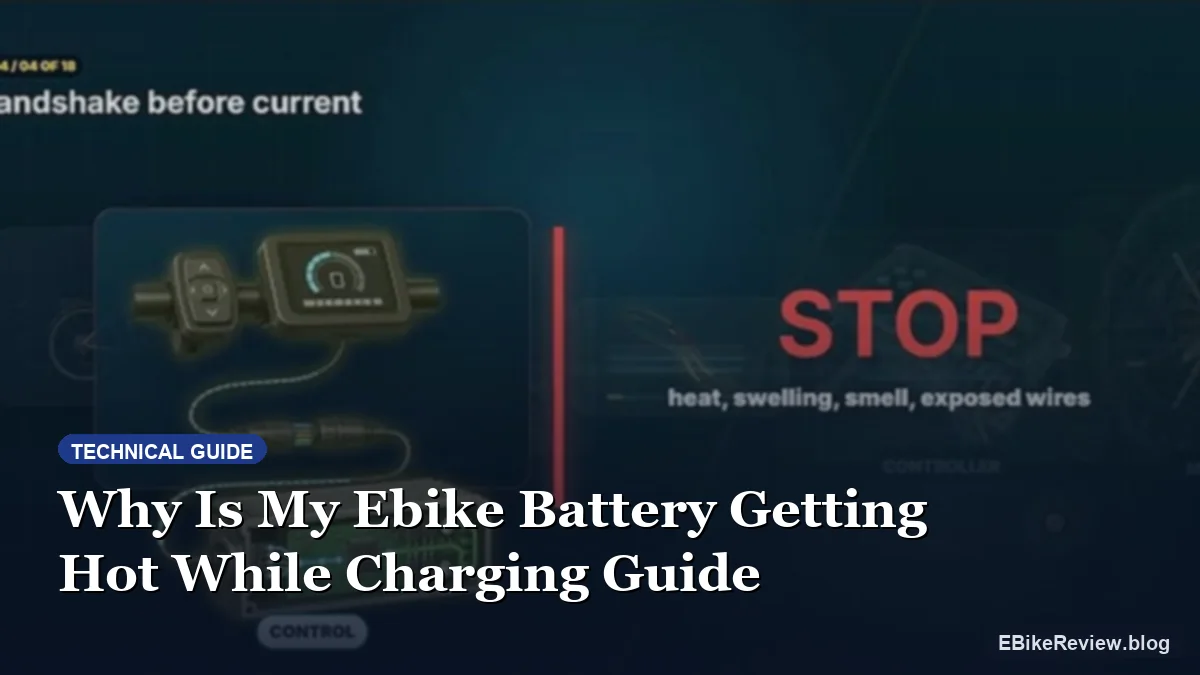
Excessive heat during charging usually stems from internal cell resistance, faulty rectifiers, or high ambient temperatures exceeding safe chemical thresholds.
Looking for matching picks? See our Best E Bike Battery For Long Distance: Top Picks.
Practical Quick-Reference Table
| Scenario / Metric | Recommended Target | Why It Matters |
|---|---|---|
| Charging Surface | Hard non-flammable floor or desk | Prevents heat entrapment under soft textiles. |
| Ambient Temperature | 10°C to 25°C (50°F to 77°F) | Protects lithium-ion electrolyte stability. |
| Charger Output Voltage | Within 0.2V of rated pack spec | Stops overvoltage stress and thermal runaway. |
| Connector Condition | Clean pins with zero oxidation | Eliminates high-resistance thermal hotspots. |
| Maximum Surface Temp | Under 40°C (104°F) normal rise | Signals healthy chemical energy transfer. |
| BMS Balancing Phase | Automatic current taper to 0A | Verifies individual parallel group health. |
Thermal Dynamics And Lithium Chemistry Fundamentals
Recharging an electric bicycle pack involves complex electrochemical reactions inside enclosed cylindrical cells. Chemical energy conversion naturally generates internal heat as lithium ions migrate through liquid electrolytes.
Understanding normal operational heat dissipation helps distinguish safe warmth from dangerous thermal runaway indicators. Excessive temperatures degrade cathode structures and permanently reduce overall usable riding range capacity.
When evaluating system upgrades via our 48v vs 52v ebike battery comparison, proper voltage selection prevents thermal stress. Monitoring charger behavior prevents catastrophic battery failures during daily energy replenishment cycles.
Manufacturers design battery packs with specific thermal resistance ratings to handle standard electrical loads safely. Exceeding these engineering thresholds causes rapid degradation of internal anode materials over time.
- Ions move between electrodes during charging phases.
- Internal resistance creates unavoidable Joule heating effects.
- Electrolytes break down rapidly above safe thermal limits.
- Proper ventilation mitigates localized cell temperature spikes.
Joule Heating Mechanics Inside Cylindrical Cells
Current passing through internal ohmic resistance produces measurable heat inside every single cell. This thermodynamic reality means charging without any thermal elevation remains physically impossible.
Higher charging currents amplify Joule heating exponentially according to standard electrical engineering formulas. Managing input amperage directly controls the thermal energy generated during replenishment.
- Ohmic resistance dictates internal thermal output.
- Higher current draws escalate internal cell temperatures.
Charger Voltage Output And Rectifier Efficiency
The external charging brick converts alternating household current into regulated direct current electricity. Inefficient power conversion inside older rectifiers often radiates substantial heat directly into the housing.
Using a mismatched power supply with incorrect voltage ratings forces the battery management system to dissipate energy. Reviewing specs in our 48 vs 52 volt ebike battery comparison ensures proper electrical matching throughout the system.
Faulty internal diodes within replacement chargers can deliver unregulated ripples to the battery cells. Such electrical anomalies disrupt normal chemical absorption and trigger rapid overheating symptoms.
Checking charger output specifications with a digital multimeter ensures proper voltage delivery matches requirements. Genuine OEM hardware maintains tighter electrical tolerances than generic aftermarket alternative supplies.
- AC-to-DC conversion naturally produces waste heat.
- Mismatched voltages create severe internal cell stress.
- Damaged rectifier diodes release uncontrolled electrical ripples.
- OEM hardware guarantees strict adherence to safety limits.
Power Supply Ripple Current Analysis
Unfiltered electrical ripple forces lithium cells to oscillate between microscopic charge states continuously. This chaotic micro-cycling accelerates internal wear and generates localized thermal hotspots.
Quality chargers utilize sophisticated filtering capacitors to smooth out incoming alternating current waveforms completely. Smooth direct current delivery minimizes internal resistance heating across all parallel groups.
- Ripple currents cause continuous micro-cycling stress.
- Filtering capacitors eliminate erratic electrical voltage spikes.
Video Walkthrough: Is Your Ebike CHARGER Really HOT?
Internal Cell Resistance And Degradation Markers
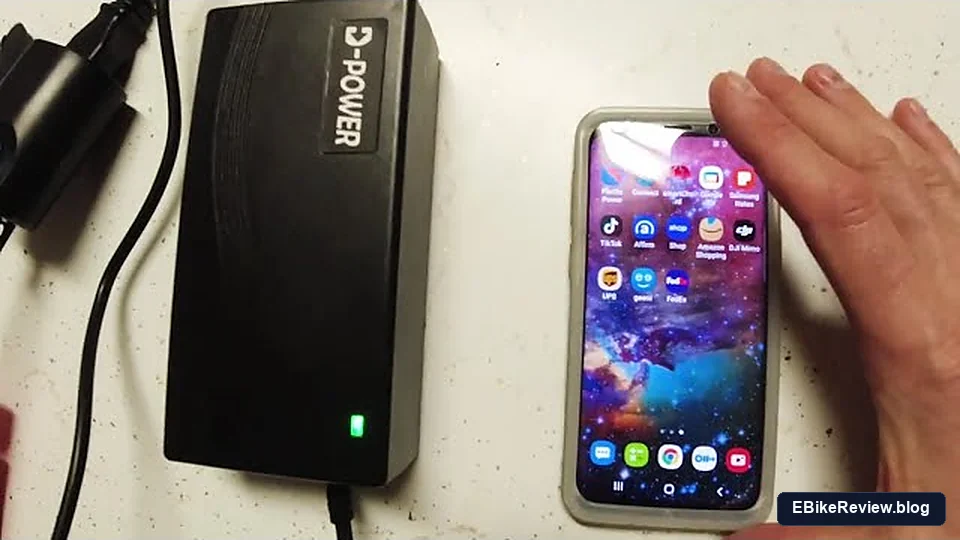
Aging lithium battery packs develop increased internal electrical resistance through repeated charge cycles. You can estimate capacity losses using our ebike range calculator to monitor overall battery health degradation over time.
Corroded internal spot welds between parallel cell groups create localized high-resistance bottlenecks. These structural flaws cause severe temperature spikes concentrated around specific damaged sections.
Capacity fade directly correlates with rising internal resistance values across older battery modules. Recognizing these physical warning signs helps riders retire degraded packs before catastrophic failures occur.
Uneven aging among individual cells forces the battery management system to work harder during balancing. This disproportionate workload generates uneven heat distribution across the entire plastic enclosure.
- Resistance increases progressively over multiple operational years.
- Corroded spot welds act as dangerous thermal resistors.
- Aging cells convert electrical input directly into heat.
- Uneven balancing workloads create localized temperature gradients.
Identifying High-Resistance Cell Group Failures
Measuring individual parallel group voltages reveals hidden degradation issues before thermal damage spreads. Significant voltage discrepancies indicate failing connections that require immediate professional battery servicing.
Infrared thermal imaging cameras help technicians spot dangerous internal shorts within sealed pack housings. Early detection prevents melted casings and potential electrical fire hazards during charging.
- Voltage checks expose hidden parallel group degradation.
- Thermal cameras reveal dangerous internal short circuits.
Ambient Temperature And Environmental Ventilation Factors
Charging batteries in direct sunlight or unventilated rooms traps ambient heat around the casing. External thermal blankets prevent normal radiation and cause internal cell temperatures to rise dangerously.
Recommended charging environments maintain stable moderate temperatures between designated safe operational limits. Ignoring room climate conditions accelerates chemical aging and triggers thermal safety cutoffs.
Placing charging equipment on thick carpets or insulating blankets blocks natural bottom-panel airflow. Always utilize hard, non-flammable surfaces to facilitate unobstructed thermal dissipation during energy transfer.
Enclosed toolboxes and tight garage cabinets accumulate heat rapidly during long multi-hour charging sessions. Adequate room airflow ensures heat radiates away from sensitive electronic management circuitry.
- Direct sunlight drastically elevates surrounding ambient temperatures.
- Insulating surfaces trap generated heat around enclosures.
- Stable room climates protect sensitive lithium chemistry.
- Proper airflow prevents dangerous thermal energy accumulation.
Optimizing Workshop Recharging Station Layouts
Establishing a dedicated charging station with ample clearance around equipment improves safety immensely. Keep power bricks away from heat sources and flammable materials in your workshop.
Maintain clear spatial boundaries to allow cooling fans inside heavy-duty chargers to operate freely. Proper clearance guarantees unobstructed convection currents during extended high-amperage charging phases.
- Dedicated stations improve overall workshop operational safety.
- Unobstructed clearance permits effective natural convection currents.
Battery Management System Balancing And Circuit Logic
The internal battery management system actively monitors cell voltages and redistributes energy during final stages. This balancing phase naturally generates slight warmth as bleed resistors dissipate minor imbalances.
Malfunctioning control circuit microprocessors can misinterpret voltage signals and apply incorrect charging algorithms. Such software errors cause continuous high-current delivery long after cells reach capacity.
Evaluating modern designs highlighted in our integrated vs removable ebike battery guide reveals how internal sensors protect cells. A failed thermistor prevents the system from detecting genuine thermal danger accurately.
Modern management boards protect against overcharging by cutting power when thermal thresholds are crossed. Understanding these automated circuit protections helps users diagnose erratic charger shutoff behaviors.
- Balancing phases dissipate minor voltage discrepancies safely.
- Corrupted microprocessors can execute faulty charging algorithms.
- Thermistor sensors monitor internal pack temperature metrics.
- Automated cutoffs prevent severe thermal runaway events.
Interpreting Smart Management Board Error Codes
Blinking LED indicators on modern battery packs often communicate specific thermal fault codes. Consulting manufacturer technical documentation decodes these warning flashes for accurate troubleshooting.
Advanced diagnostic software interfaces let technicians review historical temperature logs stored on circuit boards. This data identifies intermittent thermal anomalies that occur during routine charging.
- Blinking indicator lights reveal specific system faults.
- Diagnostic logs track historical internal temperature data.
Video Walkthrough: How Long Do Electric Bike Batteries Last? 6 Charging Habits That Help
Troubleshooting Faulty Connections And Charging Ports
Oxidized charging port pins create high electrical resistance points during current transfer. This localized resistance turns standard charging connectors into miniature heating elements that melt plastic housings.
Loose plug tolerances cause micro-arcing between metal contacts while power flows into the vehicle. Arcing generates intense localized heat that damages both the male charger plug and female port.
Inspect connector pins regularly for dirt, moisture, debris, or dark carbon burn marks. Cleaning contacts with isopropyl alcohol restores proper low-resistance electrical pathways during energy transfer.
Worn spring tension inside female port receptacles reduces physical contact surface area significantly. Replacing loose connectors re-establishes secure mechanical engagement and eliminates dangerous electrical resistance.
- Oxidized pins generate dangerous high-resistance thermal hotspots.
- Micro-arcing melts plastic connector housings over time.
- Routine inspections catch carbon deposits and moisture.
- Restoring spring tension eliminates dangerous contact resistance.
Cleaning And Restoring Electrical Contact Pins
Use specialized electrical contact cleaner and non-conductive brushes to remove stubborn oxidation safely. Avoid inserting metallic objects that could bend delicate pins inside charging receptacles.
Apply a microscopic layer of dielectric grease after cleaning to prevent future moisture corrosion. This protective barrier ensures long-term electrical conductivity without increasing connection resistance.
- Contact cleaner removes stubborn pin oxidation safely.
- Dielectric grease prevents future moisture-induced corrosion.
Preventive Maintenance Protocols For Safe Recharging
Establish routine maintenance habits to verify charger calibration and battery health parameters monthly. Proactive inspections prevent minor electrical issues from escalating into dangerous thermal incidents.
Keep detailed logs of charging times and temperature changes to spot gradual performance degradation. Unusually fast temperature spikes indicate developing internal cell failures requiring immediate retirement.
Store battery packs at moderate partial charge states when not riding for extended periods. Proper storage practices preserve chemical stability and minimize resting stress on internal components.
Replace aging chargers and degraded battery packs according to manufacturer operational life guidelines. Investing in quality replacement hardware guarantees reliable performance and absolute charging safety.
- Routine inspections catch developing electrical faults early.
- Temperature logs track long-term battery degradation markers.
- Proper off-season storage preserves internal chemical stability.
- Timely hardware replacement ensures absolute charging safety.
Establishing Safe Daily Residential Recharging Routines
Never leave electric bicycle batteries charging unattended overnight in residential living spaces. Unsupervised sessions prevent quick response actions if unusual heat generation occurs.
Disconnect power supplies immediately once full capacity indicator lights signal completion. Avoiding extended trickle-charging phases protects delicate lithium chemistry from unnecessary thermal stress.
- Avoid unattended overnight charging in residential spaces.
- Disconnect power immediately after full capacity indicators light.
Frequently Asked Questions
Why is my battery warm while charging?
Mild warmth is normal due to internal electrical resistance during chemical energy transfer. Excessive heat indicates failing cells or poor connections.
What temperature is considered too hot?
Surface temperatures exceeding 40 degrees Celsius require immediate attention and power disconnection. High heat permanently degrades internal lithium chemistry.
Can a faulty charger cause overheating?
Yes, damaged rectifiers deliver unregulated electrical ripples that stress internal cells. Always use genuine manufacturer-approved power supply hardware.
How do dirty ports cause heat?
Corroded pins create high-resistance bottlenecks that generate intense localized thermal energy. Clean contacts regularly with isopropyl alcohol and specialized brushes.
Should I unplug my battery immediately?
Disconnect power instantly if the casing becomes painfully hot or smells strange. Let the pack cool down safely before inspecting connections.