How To Extend Ebike Battery Lifespan Safely: Expert Guide
Maximizing your lithium-ion power pack requires strict voltage management, precise thermal controls, and proper storage habits. Following these engineering-backed protocols will significantly preserve overall cell longevity.

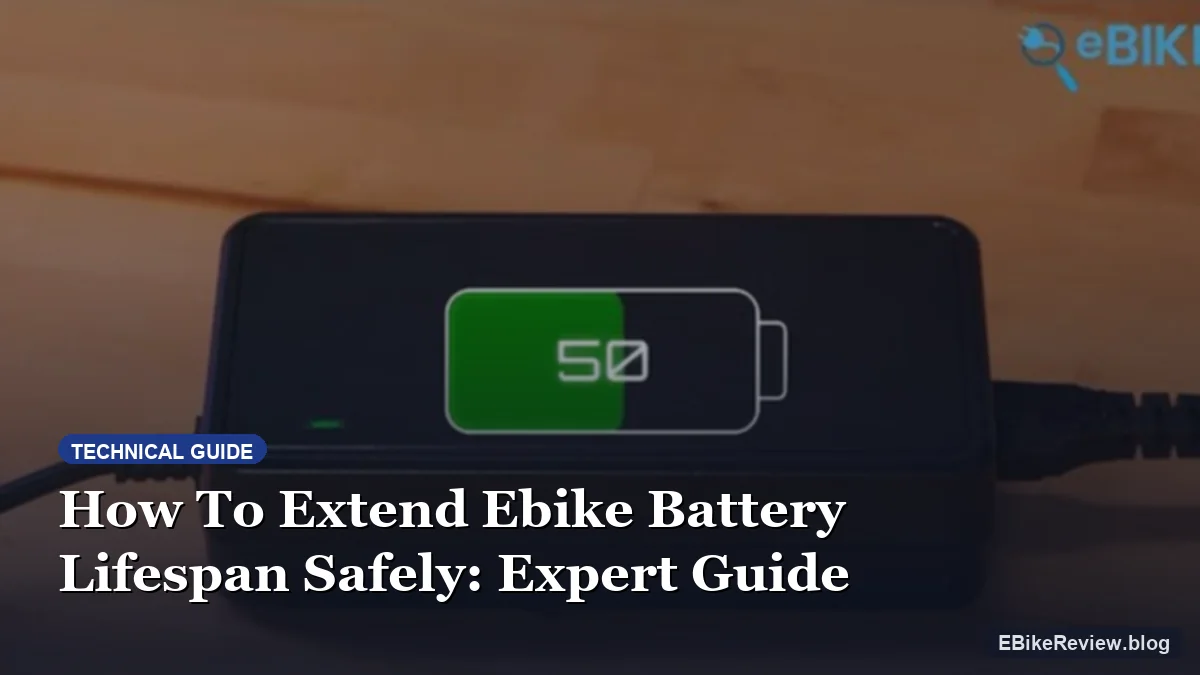
To maximize your pack longevity, always keep the state of charge between twenty and eighty percent during daily use. Avoid high-amperage rapid chargers unless necessary and store packs at room temperature.
Looking for matching picks? See our Best E Bike Battery For Long Distance: Top Picks.
Practical Quick-Reference Table
| Scenario / Metric | Recommended Target | Why It Matters |
|---|---|---|
| Daily State of Charge | 20% to 80% | Reduces internal cathode stress |
| Storage Temperature | 50°F to 70°F | Prevents chemical electrolyte degradation |
| Charging Amperage | Standard Slow Charger | Minimizes destructive internal heat buildup |
| Deep Discharge Cycle | Every 3 Months | Calibrates internal management software |
| Off-Season Storage | 50% Capacity | Prevents permanent voltage dropouts |
| Tire Inflation Pressure | Maximum Sidewall PSI | Lowers electrical motor load demands |
Core Chemical Principles of Lithium Cells
Modern electric bicycles rely heavily on lithium-ion chemistry, which degrades naturally through oxidation. Reviewing our 48v vs 52v ebike battery guide helps you understand these microscopic degradation drivers and adopt better operational habits.
Internal resistance increases as charge cycles accumulate over years of regular commuting and trail riding. Minimizing deep discharge events prevents irreversible damage to the delicate cathode and anode material structures.
Manufacturers rate cells based on standardized capacity retention curves under controlled laboratory conditions. Real-world riding introduces variable stress factors that require proactive maintenance to protect your investment over time.
Chemical stability relies heavily on maintaining moderate operating temperatures during both high-drain discharge and standard charging cycles. Extreme thermal spikes accelerate internal wear and permanently diminish total available energy capacity.
Modern e-bikes rely heavily on lithium-ion chemistry, typically using nickel-manganese-cobalt or lithium-iron-phosphate cells. These chemistries deliver high energy densities, but internal resistance increases steadily over hundreds of complete charge-discharge cycles.
During intercalation, lithium ions move between the cathode and anode through an organic electrolyte. Maintaining this delicate microscopic structure requires avoiding extreme voltage states that accelerate permanent crystal lattice degradation inside the active materials.
Microscopic dendrites can form if cells are charged rapidly below freezing temperatures. These metallic lithium structures pierce the porous separator film, creating internal short circuits that trigger thermal runaway risks and permanent capacity loss.
Operating within moderate state-of-charge windows significantly reduces mechanical stress on the electrodes. Minimizing time spent at absolute maximum voltage prevents parasitic chemical reactions that consume the vital electrolyte fluid over long periods.
- Monitor internal resistance metrics regularly using diagnostic displays.
- Avoid exposing power packs to direct summer sunlight.
- Never drain the pack below critical voltage thresholds.
- Store units at partial charge during extended non-use.
Understanding Cell Degradation Mechanics
Individual cylindrical cells experience microscopic structural stress when subjected to high electrical currents. This cumulative stress leads to capacity fade that cannot be reversed by standard conditioning cycles.
Electrolyte decomposition occurs much faster when cells operate at their upper and lower voltage extremes. Keeping your state of charge in the middle range reduces this detrimental chemical reaction.
- Track total charge cycles via the built-in management system.
- Inspect outer casing seals for any signs of physical wear.
Voltage Thresholds and Daily Charging Habits
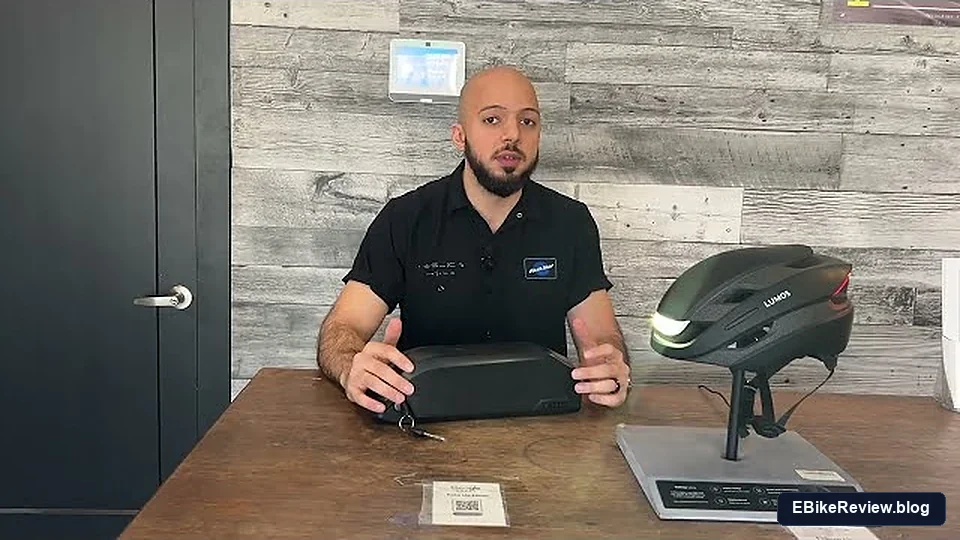
Charging practices dictate the physical lifespan of your lithium power pack more than almost any other factor. Maintaining a strict voltage window prevents excessive stress on individual lithium-ion cells.
Leaving your electric bicycle plugged in overnight at one hundred percent capacity accelerates chemical aging. Smart chargers or automated timers can interrupt power delivery once the eighty percent mark is reached.
Low-amperage chargers generate significantly less internal heat during the replenishment cycle compared to rapid alternatives. Cooler charging temperatures preserve electrolyte integrity and extend the overall operational life of the unit.
Never initiate a charging session immediately after completing a high-demand ride in freezing winter weather. Allow the hardware to acclimate to indoor room temperature before connecting any high-voltage power cables.
Stopping your charger at an 80 percent limit rather than 100 percent more than doubles total cycle life. Full voltage puts intense mechanical strain on the cathode structure, accelerating chemical aging across everyday commutes.
Avoid letting your pack drop below a 20 percent state of charge during regular rides. Deep discharges force weak cell groups into reverse polarization, permanently lowering overall pack capacity and triggering protective shutdowns.
Utilize smart chargers equipped with precise voltage cut-off mechanisms to prevent overcharging. Read our 48 vs 52 volt ebike battery comparison to see how standard OEM chargers impact your cell longevity.
Allow batteries to cool down for thirty minutes post-ride before connecting them to power sources. Charging a warm battery accelerates destructive solid electrolyte interphase layer growth, degrading the internal anode efficiency over time.
- Unplug chargers promptly once the target voltage is reached.
- Use automated smart plugs to limit charging duration.
- Opt for standard slow chargers for daily replenishment.
- Allow warmed packs to cool before charging begins.
Video Walkthrough: Your eBike Battery Will Last 3x Longer If You Stop Doing These 6 Habits
Thermal Management and Ambient Storage Conditions
Temperature extremes represent the primary enemy of high-capacity lithium-ion energy storage systems. Storing your bicycle in unconditioned garages exposes sensitive electronics to damaging thermal fluctuations throughout changing seasons.
Operating an electric bicycle in sub-zero temperatures temporarily reduces available voltage and strains internal components. Review our integrated vs removable ebike battery guide before parking your removable power pack outside in harsh winter conditions.
High summer heat combined with direct sunlight can cause internal temperatures to exceed safe operational limits. Park your frame in shaded areas and detach the energy module during prolonged outdoor stops.
Ideal storage environments maintain stable room temperatures alongside low humidity to prevent terminal corrosion. Proper climate control protects both the exterior casing and internal circuitry from moisture-related degradation.
Ideal operating temperatures for lithium-ion packs range between 15 and 25 degrees Celsius. Exposing your e-bike battery to extreme heat during summer storage drastically accelerates irreversible capacity loss and chemical breakdown.
Never store your battery inside a direct sunlight-baked vehicle trunk. High ambient temperatures combined with internal resistance heating can easily exceed safe thresholds, triggering the internal thermal fuse and permanently bricking the pack.
When riding in cold weather, keep the battery indoors until the exact moment of departure. Insulating covers help maintain optimal core warmth during winter commutes, preventing sudden voltage sags under heavy motor acceleration.
Store detachable packs in climate-controlled indoor spaces rather than unheated garages or sheds. Ambient humidity fluctuations cause condensation on the BMS circuit board, creating risks of short circuits and erratic battery readings.
- Keep indoor storage areas dry and temperature-controlled.
- Never leave energy modules inside hot parked vehicles.
- Bring packs indoors during freezing winter cold snaps.
- Shield terminals from rain and humidity exposure.
Discharge Rates and Efficient Motor Load Control
Aggressive throttle usage and steep hill climbs draw massive electrical currents from your energy storage unit. High discharge rates create intense internal heat that degrades the chemical composition over time.
Utilize lower assist levels on gentle inclines to reduce immediate strain on the internal wiring harness. Pedaling more actively during acceleration lowers peak amp draws and protects vulnerable electronic components.
Multi-geared drivetrains should be shifted efficiently to keep motor RPMs within their optimal efficiency range. Struggling against high resistance at low cadence forces the controller to pull excessive electrical current.
Check tire pressure regularly because soft rubber increases rolling resistance and forces the motor to work harder. Maintaining proper inflation preserves both your physical energy and the electrical power pack.
High discharge current places extreme thermal and electrical stress on individual cell connections. Avoid pulling maximum amp loads from a low-capacity pack by using lower assist levels on steep climbs.
Maintain a high pedal cadence to reduce torque strain on the mid-drive motor and battery management system. Low cadences force the motor to draw massive currents, causing rapid voltage sag and accelerated cell degradation.
Upgrading your controller's current limits beyond factory specifications destroys battery longevity. Sticking to OEM output limits ensures your pack operates within safe discharge parameters established by the cell manufacturer.
Smooth throttle application prevents sudden current spikes that degrade spot welds connecting the series-parallel cell groups. Gradual acceleration preserves the structural integrity of your battery's internal nickel strips.
- Maintain high pedaling cadence on steep incline sections.
- Check bicycle tire pressure before every long ride.
- Select appropriate gear ratios to assist motor torque.
- Avoid continuous full-throttle acceleration from complete dead stops.
Routine Diagnostics and BMS Calibration Steps
The internal battery management system oversees cell balancing and monitors overall operational safety parameters continuously. Periodic calibration ensures that your display reads accurate percentage levels during every commute.
Fully discharge the energy module down to approximately ten percent capacity once every few months. Follow this deep cycle with an uninterrupted full charge to help the management software recalibrate.
Inspect metal terminal contacts frequently for signs of oxidation, dirt accumulation, or physical pitting. Clean dirty connections using specialized electrical contact cleaner and a soft non-metallic brush surface.
Tighten mounting brackets securely to eliminate destructive vibrations caused by rough road surfaces during transit. Excessive movement can damage internal solder joints and trigger false error codes on displays.
Periodically measure individual parallel group voltages using a digital multimeter at the discharge terminals. Detecting a voltage delta greater than 0.1 volts indicates a failing group requiring immediate professional balancing.
Calibrate your battery management system annually by running a full cycle from 100 percent down to 20 percent. This process allows the BMS to recalibrate its state-of-charge algorithms for accurate range estimates.
Inspect external charging ports regularly for dirt, corrosion, and bent pins that cause high resistance connections. Clean dirty contacts using isopropyl alcohol and a soft brush to prevent terminal overheating during charging sessions.
Monitor your e-bike display for sudden capacity drops or uncharacteristic percentage jumps under heavy loads. Use our ebike range calculator if these symptoms reveal a corrupted BMS table or cell imbalance.
- Inspect terminal pins for corrosion or debris buildup.
- Perform periodic capacity recalibrations using full charge cycles.
- Clean electrical contacts with approved non-conductive cleaners.
- Verify mounting hardware tightness to prevent damaging vibrations.
Video Walkthrough: 10 Ways to Protect \u0026 Preserve Your Ebike Battery
Winterizing and Long-Term Storage Protocols
Storing your electric bicycle for several winter months requires specific precautionary steps to prevent permanent damage. Leaving a pack fully depleted or fully charged during off-season storage leads to rapid capacity loss.
Charge or discharge the energy module to a safe storage level of roughly fifty percent capacity. Disconnect the unit completely from the bicycle frame and store it in a climate-controlled space.
Check the resting voltage every sixty days during prolonged storage to ensure self-discharge does not occur. Top up the unit back to the fifty percent target if the voltage drops significantly.
Avoid placing heavy items on top of detached energy units to prevent crushing the outer enclosure. Safe placement protects internal wiring harnesses and preserves structural integrity throughout the off-season months.
When storing your e-bike battery for the winter season, maintain a storage charge of 60 percent. Leaving a pack fully charged or completely depleted for months causes permanent chemical degradation and capacity loss.
Check stored batteries every six weeks to ensure voltage levels have not dropped into a dangerous zone. Self-discharge happens naturally, so topping off the pack prevents the internal protection circuit from tripping permanently.
Disconnect the battery from the e-bike frame during long-term storage to prevent parasitic draw from the display console. Even when powered off, some controllers draw microscopic currents that drain the auxiliary capacitors.
Bring your winter-stored battery back to room temperature slowly before attempting to charge it in spring. Rapid warming can condense moisture inside the housing, destroying the sensitive control electronics and safety fuses.
- Store packs at roughly fifty percent charge level.
- Check resting voltage levels every sixty days.
- Keep units detached from frames during winter storage.
- Avoid stacking heavy objects on storage modules.
Frequently Asked Questions
How often should I charge my electric bike power pack?
You should recharge your unit after every significant ride rather than waiting for complete depletion. Maintaining a shallow depth of discharge dramatically extends overall operational longevity.
Is it safe to leave my battery plugged in overnight?
Leaving your unit plugged in overnight exposes cells to prolonged maximum voltage stress. Using a smart timer or unplugging promptly prevents unnecessary chemical degradation over time.
What is the ideal storage temperature for lithium units?
The ideal storage temperature ranges between fifty and seventy degrees Fahrenheit in low humidity. Always avoid freezing basements or hot garages to protect sensitive internal components.
Why does cold weather reduce my electric bicycle range?
Low temperatures slow down internal chemical reactions and increase overall electrical resistance. Bringing your unit indoors between rides helps maintain normal voltage output during winter commuting.
How do I know when my energy pack needs replacement?
You should consider replacement when your total riding range drops below fifty percent of original specifications. Persistent voltage sag under normal acceleration also signals end-of-life wear.