How To Clean And Lubricate Ebike Chain Maintenance
Proper maintenance of your electric bicycle drivetrain prevents premature wear caused by high mid-motor torque. Following systematic cleaning and lubrication protocols ensures maximum component longevity and smooth shifting performance.

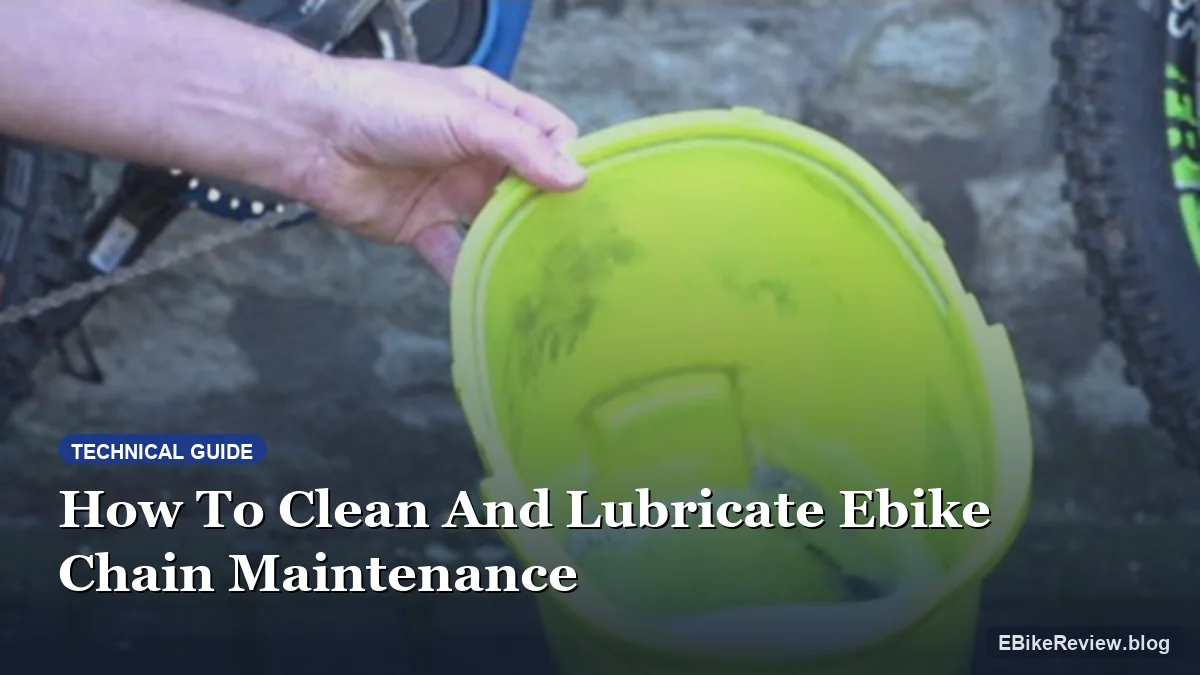
Always use specialized bicycle chain lubricants and apply them sparingly to clean links. Wipe away excess fluid completely to prevent harmful abrasive grit buildup on your rear cassette.
Looking for matching picks? See our Best Belt Drive Electric Bike For Low Maintenance: Top Picks (2026).
Practical Quick-Reference Table
| Scenario / Metric | Recommended Target | Why It Matters |
|---|---|---|
| Chain Elongation Limit | 0.5% to 0.75% wear | Prevents catastrophic cassette and chainring destruction. |
| Cleaning Interval | Every 150 to 300 miles | Removes damaging abrasive grit before it pits steel. |
| Degreaser Type | Biodegradable bike-safe solvent | Strips heavy oils without damaging delicate hub seals. |
| Lubricant Application | One drop per roller | Ensures internal pin penetration without excess mess. |
| Wipe-Down Timing | 10 minutes after lube | Eliminates sticky exterior residue that attracts dust. |
| Chain Checker Tool | Direct drop-in gauge | Provides accurate mechanical wear measurements instantly. |
Understanding Ebike Drivetrain Wear Mechanisms
Electric bicycles exert significantly higher mechanical stress on chains than traditional pedal bicycles. Mid-drive motors apply massive torque directly through the drivetrain, accelerating pin and roller wear exponentially under load.
Whether tackling rough terrain featured in our best ebike for road and trails guide, abrasive grit mixes with grease. This grinding paste rapidly elongates the chain pitch and ruins expensive cassette teeth.
Monitoring elongation with a dedicated steel drop-in checker is vital for safe operation. Replacing a worn chain early prevents total drivetrain destruction and maintains efficient electrical power transfer.
Environmental factors like moisture, road salt, and fine sand accelerate corrosion inside the pins. Proper cleaning removes these microscopic contaminants before they can pit the hardened steel surfaces.
- High motor torque accelerates pin wear.
- Abrasive grit creates grinding paste.
- Regular elongation checks prevent damage.
- Environmental moisture causes internal rust.
Drivetrain Load Characteristics
Mid-drive units require precise gear shifts to reduce tension while pedaling. Shifting under heavy motor load forces pins against sprockets, causing immediate mechanical deformation and broken links.
Hub-motor setups place less direct stress on the chain itself, but environmental exposure remains identical. Both configurations demand rigorous maintenance schedules to ensure optimal mechanical efficiency and safety.
- Ease pedal pressure when shifting.
- Match maintenance to motor type.
Essential Workshop Tools and Cleaning Solvents
Whether maintaining standard chains or comparing models in our belt drive vs chain drive ebike analysis, proper workshop tools are essential. Gather a sturdy bicycle repair stand, nitrile gloves, and stiff brushes.
Selecting the correct chemical solvents is equally critical for protecting your bicycle frame finish. Use citrus-based biodegradable degreasers rather than harsh industrial chemicals that degrade rubber seals and paint.
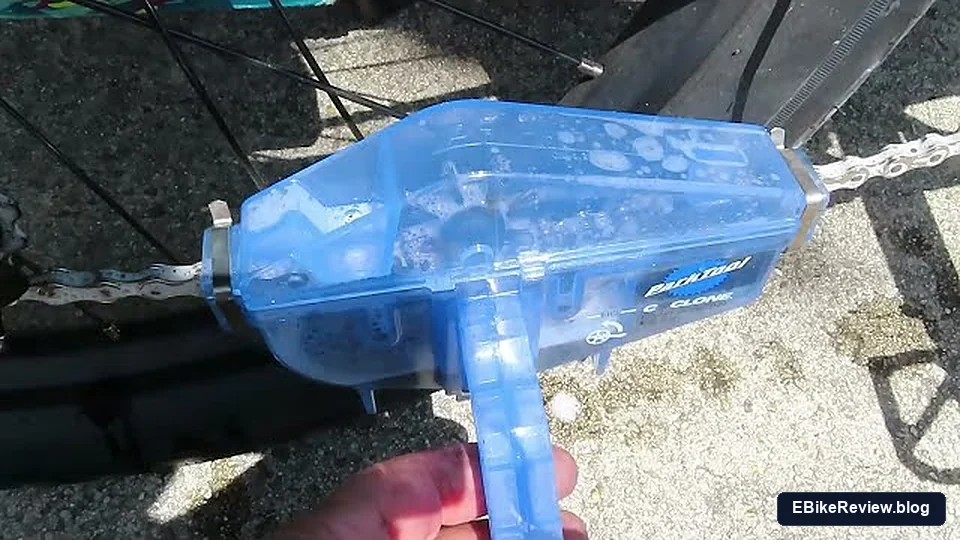
A dedicated chain scrubber box with internal rotating brushes speeds up deep cleaning significantly. This tool surrounds the links, scrubbing away heavy grease without requiring immediate chain removal.
Keep a bottle of isopropyl alcohol nearby for final surface preparation and solvent residue removal. This ensures a perfectly clean metal substrate before applying fresh lubricating oils.
- Use a sturdy bicycle repair stand.
- Choose biodegradable citrus degreasers.
- Employ a rotating brush scrubber.
- Keep isopropyl alcohol for rinsing.
Workspace Preparation Standards
Lay down an absorbent silicone mat underneath your repair stand to catch dripping fluids. Protecting your garage floor from oily runoff keeps your workspace safe and environmentally compliant.
Organize your brushes, rags, and lubricant bottles within arm reach before starting. Good ergonomics prevent awkward spills and streamline the entire cleaning workflow from start to finish.
- Protect floors with silicone mats.
- Organize tools before starting.
Video Walkthrough: How To Clean and Lube a Bicycle Chain with a Park Tool Chain Cleaner
Step-by-Step Degreasing and Debris Removal Process
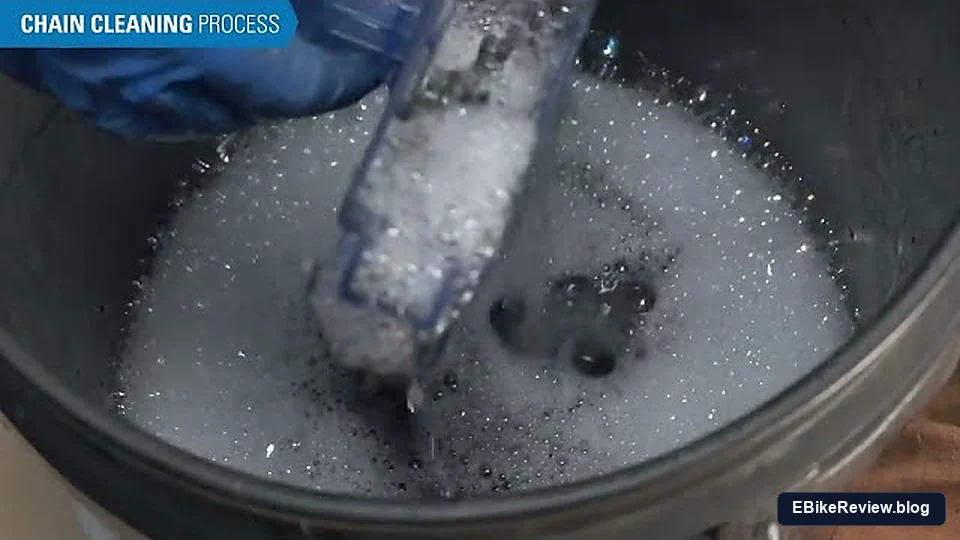
Before testing efficiency with an e-bike range calculator, shift your chain into the middle gears for stable alignment. Fill your chain scrubber with biodegradable degreaser up to the fill line.
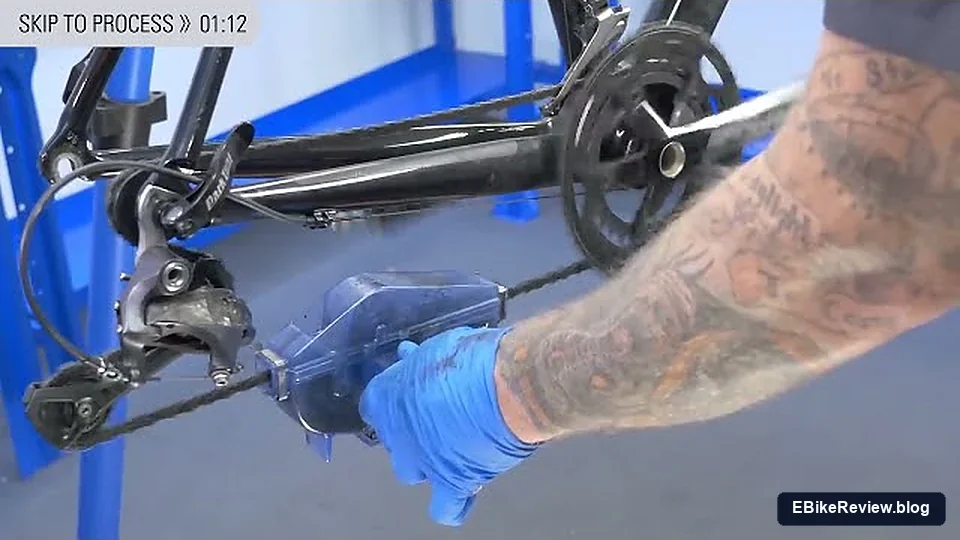
Clamp the scrubber securely around the lower span of the chain. Rotate the crank arms backward twenty complete rotations to thoroughly agitate and dissolve accumulated road grime.
Use a stiff nylon bristle brush dipped in degreaser to scrub cassette cogs clean. Pay special attention to narrow gaps between sprockets where hardened mud and metallic shavings accumulate.
Scrub the front chainring teeth carefully to remove packed grease and embedded dirt particles. A clean chainring prevents immediate recontamination of your freshly serviced chain links.
- Align chain in middle gears.
- Fill scrubber to indicator line.
- Spin cranks backward twenty times.
- Scrub cassette and chainring teeth.
Handling Stubborn Contaminants
Stubborn asphalt tar or dried mud patches require targeted manual scrubbing with a detail brush. Never use metal scrapers that can gouge aluminum chainrings or weaken chain plates.
Allow the citrus degreaser to sit on heavy grease deposits for two minutes. This dwell time lets chemical surfactants break down stubborn petroleum bonds safely without damaging steel.
- Use detail brushes for tar.
- Allow short chemical dwell times.
Rinsing, Drying, and Inspection Protocols
Rinse the entire drivetrain thoroughly with clean water to remove residual degreaser soap. Avoid using high-pressure pressure washers that force water past wheel bearings and electrical motor seals.
Wipe the chain vigorously with a clean, lint-free shop towel to absorb surface moisture. Squeezing the links inside the rag while backpedaling removes trapped water efficiently.
Use a portable air compressor or hair dryer on a cool setting to dry hidden crevices. Eliminating all moisture prevents flash rusting on steel chain pins before lubrication.
Inspect every single roller and side plate for cracks, rust pitting, or stiff links. Flex any binding links sideways gently by hand to restore smooth articulation across the pins.
- Rinse thoroughly with clean water.
- Avoid high-pressure car washers.
- Dry completely with shop rags.
- Inspect for cracks and rust.
Checking Link Articulation
A stiff link causes hesitation and jumping during rear derailleur shifts. Work any tight pivot points gently back and forth until the link moves freely without binding.
Verify master link security if your chain is equipped with one. Replace single-use quick links whenever you perform a deep overhaul to ensure structural integrity under load.
- Flex binding links manually.
- Verify quick link security.
Lubricant Selection for Mid-Drive Versus Hub Motors
Selecting the correct lubricant viscosity is vital, especially for machines featured in our best commuter ebike selections dealing with high power outputs. Wet lubricants resist water washout under heavy downpours.
Dry lubricants use a solvent carrier that evaporates to leave a clean wax film. They excel in dusty, arid climates by preventing abrasive sand from adhering to moving parts.
Mid-drive motors demand high-pressure synthetic oils that withstand intense friction between pins and rollers. Avoid generic household oils that lack extreme pressure additives and evaporate rapidly.
Apply lubricant exclusively to the inner roller section while backpedaling slowly. Precision application ensures the fluid wicks deep into the pin bushings where friction occurs.
- Match lubricant to regional weather.
- Use synthetic oils for mid-drives.
- Apply to inner roller sections.
- Avoid thin household oils.
Understanding Synthetic Additives
Advanced bicycle lubricants often contain polytetrafluoroethylene or ceramic nanoparticles. These microscopic additives fill microscopic metal pores to reduce friction and lower operating temperatures.
Select specialized electric bike formulas designed specifically for high-torque applications. These robust fluids maintain film strength under sustained motor loads far better than standard options.
- Look for ceramic nanoparticle additives.
- Choose high-torque specific formulas.
Precision Application and Excess Wipe-Down Techniques
Apply exactly one small drop of lubricant to the center of every roller. Over-lubricating does not improve performance; it only creates a sticky magnet for abrasive dirt particles.
Allow the applied lubricant to penetrate internal pin bushings for ten undisturbed minutes. This dwell time lets capillary action draw the fluid deep into high-friction load zones.
Take a clean, dry shop rag and grip the lower chain span firmly. Rotate the crank arms backward for thirty seconds to wipe away all exterior surface residue completely.
The exterior of the chain should feel virtually dry to the touch when finished. Lubrication belongs inside the pins and rollers, not on the outer plates where debris clings.
- Apply one drop per roller.
- Wait ten minutes for penetration.
- Wipe exterior surfaces completely.
- Ensure outer plates remain dry.
Final Post-Lubrication Inspection
Shift through all cassette gears while pedaling on the repair stand to distribute oil. Listen carefully for quiet, smooth mechanical engagement without grinding or ticking noises.
Wipe any minor oil spray off nearby brake rotors immediately using alcohol. Contaminated disc brake pads lose stopping power and generate loud squealing vibrations during braking.
- Test shift through all gears.
- Keep oil away from brakes.
Troubleshooting Chain Slip, Stretch, and Noise
If your chain slips forward under heavy motor acceleration, elongation is likely excessive. Measure the wear with a calibrated steel drop-in gauge to confirm replacement requirements immediately.
Installing a brand-new chain on a severely worn cassette often causes skipping under power. You may need to replace the rear cassette alongside the chain to restore smooth power delivery.
Persistent squeaking noises indicate insufficient internal lubrication or dry pivot bushings. Reapply a few drops of synthetic oil directly to the affected noisy links and wipe clean.
Check rear derailleur alignment if the chain rubs against adjacent cogs. A bent derailleur hanger causes poor shifting performance and accelerates lateral wear on outer plates.
- Measure elongation with a gauge.
- Replace worn cassettes together.
- Address squeaks with fresh oil.
- Verify derailleur hanger alignment.
Addressing Persistent Drivetrain Noise
Clean pulley wheels inside the rear derailleur cage during every chain service. Accumulated plastic sludge causes clicking noises and hinders smooth chain routing through the pulleys.
Check chainline straightness across extreme gears to minimize lateral friction. Operating in extreme cross-chain angles strains components and generates unwanted mechanical noise.
- Clean derailleur pulley wheels.
- Avoid extreme cross-chaining angles.
Frequently Asked Questions
How often should I clean and lubricate my ebike chain?
Service your chain every 150 to 300 miles depending on weather conditions. Clean more frequently if you ride through heavy rain, mud, or dusty gravel trails.
Can I use household motor oil for my electric bicycle chain?
Never use automotive engine oil because it attracts thick dirt and lacks bicycle-specific additives. Always choose specialized synthetic bicycle lubricants designed for high-torque drivetrains.
Why does my chain keep slipping after cleaning and oiling?
Chain slip usually indicates that your cassette teeth are worn down to match elongation. You likely need to replace the rear cassette alongside your stretched chain.
Is it necessary to remove the chain completely for cleaning?
Using a quality chain scrubber tool makes total removal unnecessary for routine maintenance. A master link connector allows quick removal when deep ultrasonic cleaning is desired.
How can I prevent getting lubricant on my disc brakes?
Always apply lubricant carefully to the lower inner span while backpedaling slowly. Use a clean rag to wipe away excess oil before testing your brakes outdoors.