Do You Need Insurance For A Sur Ron Legal Realities
Navigating coverage mandates requires understanding state vehicle classifications and high-power electric platform specifications. Riders must evaluate legal liabilities before operating off-road machines in public spaces.

While federal laws rarely mandate policies, state vehicle codes frequently classify high-power electric dirt bikes as unregistered motor vehicles, leaving owners personally liable for accidents.
Looking for matching picks? See our Best Electric Bike: Top Commuter Picks for 2026.
Practical Quick-Reference Table
| Scenario / Metric | Recommended Target | Why It Matters |
|---|---|---|
| Public Street Operation | Full Registration & Policy | Prevents severe legal penalties and seizure. |
| State Park Trails | OHV Permit & Liability | Complies with localized land management rules. |
| Private Property Riding | Homeowner Policy Review | Protects against catastrophic injury lawsuits. |
| Motor Power Output | Under 750W for E-Bikes | Exceeding wattage strips standard bicycle status. |
| Top Speed Threshold | Below 20 MPH Class 1 | Prevents automatic reclassification as a moped. |
| Transport Securement | Heavy-Duty Hitch Lock | Mitigates total loss via theft vulnerability. |
Legal Classification and Regulatory Frameworks for High-Power Electric Dirt Bikes
Determining legal requirements starts with analyzing your machine's exact motor wattage and throttle capabilities. Most jurisdictions draw strict lines between traditional bicycles and high-performance electric motorcycles.
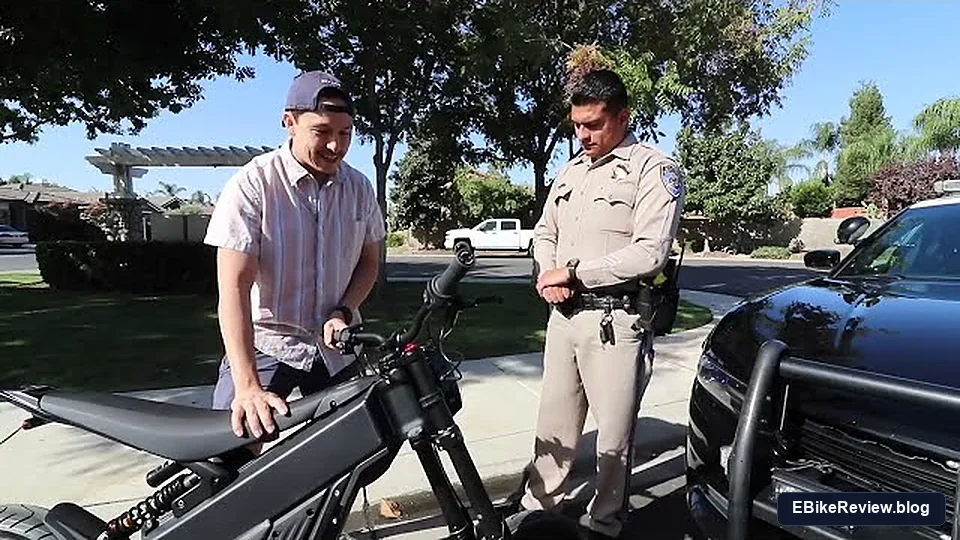
When a platform exceeds standard power thresholds, transportation authorities reclassify the machine as a motorized vehicle. This shift instantly revokes access to multi-use bike paths and pedestrian greenways.
Understanding these distinctions prevents costly citations and potential vehicle impoundment by local law enforcement agencies. Owners must consult their specific state department of motor vehicles for exact statutes.
Operating an unregistered vehicle creates financial exposure during accidents. Choosing the best electric bicycle for seniors ensures compliance, while standard insurance rarely covers modified machines exceeding legal limits.
- Check local state statutes regarding electric vehicle classifications immediately.
- Measure continuous motor wattage against regional legal bicycle limits.
- Verify throttle-only speed capabilities against Department of Motor Vehicles rules.
- Review municipal ordinances regarding sidewalk and park trail access restrictions.
State Versus Federal Jurisdiction Differences
Federal agencies focus primarily on manufacturing standards and import compliance rather than everyday operation. Individual states retain full authority over road use, licensing, and mandatory coverage.
This decentralized approach means your riding legality can change drastically across municipal boundaries. Always research county-level restrictions before transporting your equipment to new areas.
- Consult state transportation department rulebooks for local clarity.
- Map out municipal boundaries where enforcement protocols differ significantly.
Vehicle Specifications Versus Department of Motor Vehicles Definitions
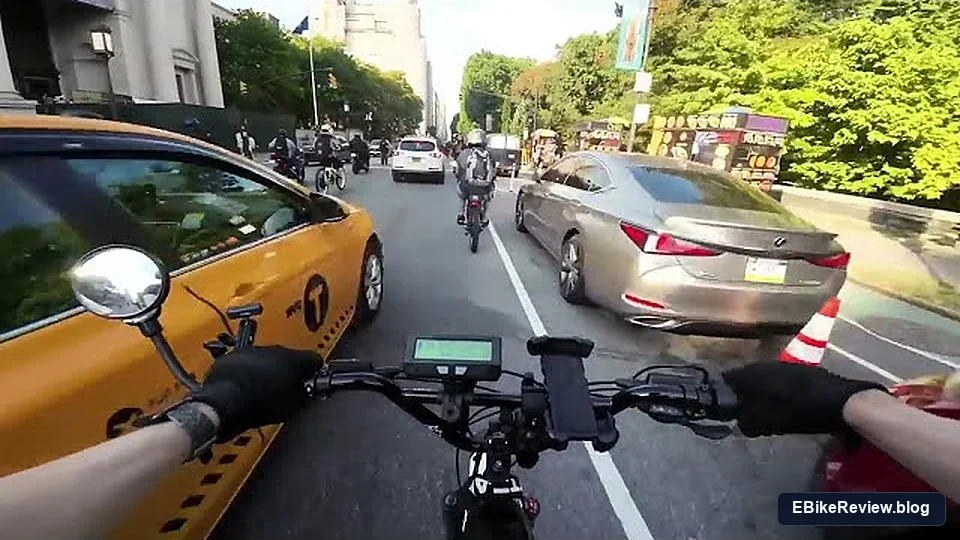
Factory output ratings for high-performance platforms usually surpass standard bicycle definitions. Reviewing the best electric trike for seniors ensures legal power limits remain intact.
Pedal-assist functionality must remain operational and functionally connected to satisfy standard e-bike exemptions. Pure throttle designs operating past specific speed caps automatically trigger moped or motorcycle rules.
Department of Motor Vehicles inspectors evaluate braking systems, lighting, and mirrors during registration attempts. Without these components, obtaining a legal license plate becomes technically impossible.
Modifying stock controllers to increase top speed further complicates your legal standing. Higher velocity ratings eliminate any remaining defense against operating an uninsured motor vehicle.
- Examine factory controller specifications for maximum continuous output ratings.
- Test functional pedal integration to verify compliance with local e-bike tiers.
- Inspect lighting and braking hardware against standard motor vehicle codes.
- Document all performance modifications to track legal compliance accurately.
Controller Upgrades and Legal Reclassification
Installing aftermarket controllers drastically alters your vehicle electrical profile and torque delivery. Law enforcement agencies utilize portable dynamometers to identify modified unauthorized platforms.
Surpassing factory output thresholds shifts your machine firmly into the unregistered dirt bike category. Operating such modified equipment requires specialized transport and private land access.
- Avoid aftermarket performance chips if riding near public jurisdiction boundaries.
- Understand that software tuning alters vehicle classification under state law.
Video Walkthrough: How much it costs to put INSURANCE on a SUR RON E BIKE
Public Land Restrictions and Forest Service Enforcement Protocols
Federal forest service lands enforce strict regulations regarding motorized trails. Selecting the best electric bike for hunting helps riders navigate restrictions without triggering heavy federal fines.
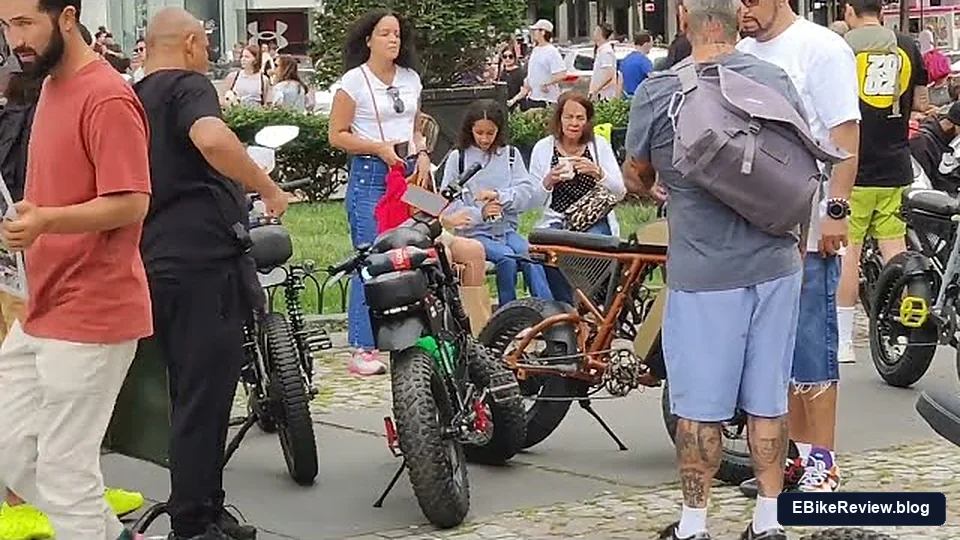
Park rangers utilize sound meters and visual inspections to categorize high-torque electric platforms. Even without combustion engines, these machines face identical restrictions as traditional gas dirt bikes.
Securing an off-highway vehicle sticker provides legal access to designated forest service trail systems. However, obtaining this sticker often requires proof of minimum liability coverage.
Ignoral of seasonal trail closures damages fragile ecosystems and accelerates erosion on protected lands. Rangers strictly monitor sensitive habitats for unauthorized high-power electric vehicle intrusion.
- Verify forest service trail designations before unloading your equipment.
- Acquire required state off-highway vehicle permits prior to trail entry.
- Obey seasonal trail closures designed to protect local wildlife habitats.
- Maintain respectful speeds when encountering hikers and equestrian riders.
Off-Highway Vehicle Permit Acquisition Processes
State park agencies issue off-highway vehicle decals after verifying vehicle identification numbers. This process officially documents the machine within state recreational databases without granting street legality.
Displaying your permit visibly on the frame prevents unnecessary stops by enforcement rangers. Always carry physical documentation of your permit during active trail riding sessions.
- Locate stamped vehicle identification numbers on the steering head tube.
- Submit application paperwork to the state department of parks and recreation.
Private Property Liability and Homeowner Insurance Limitations
Riding exclusively on private land bypasses standard state registration mandates. Utilizing an e-bike range calculator ensures accurate battery planning, but owners must navigate serious liability concerns safely.
Standard homeowner policies frequently exclude motorized vehicles featuring high-power electric drivetrains. If a visiting friend crashes your machine on your land, you face direct personal lawsuits.
Reviewing your specific homeowner policy declarations helps identify dangerous gaps in liability protection. Many insurers require specialized riders or separate specialty policies for off-road recreational vehicles.
Constructing physical barriers or posting warning signs reduces some premises liability risks. Despite these precautions, comprehensive insurance remains the safest financial shield against devastating lawsuits.
- Request a detailed exclusions list from your homeowner insurance provider.
- Explore adding a specific recreational vehicle endorsement to your policy.
- Install secure property fencing to deter unauthorized neighborhood riders.
- Document safety briefings given to any guests operating your equipment.
Guest Rider Waivers and Legal Precedents
Written liability waivers offer baseline legal protection when allowing others to test your machine. Courts scrutinize these documents heavily, meaning they rarely replace comprehensive insurance coverage.
Minors operating high-power equipment on your property elevate legal exposure exponentially. Parents assume total liability for accidents involving children and motorized recreational platforms.
- Draft clear release forms with the assistance of legal professionals.
- Prohibit unsupervised minor operation entirely on your private property.
Specialty Policy Options and Off-Road Vehicle Coverage Providers
Specialized insurers offer dedicated off-road policies tailored for high-performance electric platforms. These plans protect against comprehensive losses like theft, fire, and collision damage during transit.
Liability coverage extensions protect your personal assets if you injure another trail user. Premiums typically remain affordable when riders maintain clean driving and riding safety records.
Shopping multiple specialty brokers helps secure comprehensive coverage without paying for unnecessary street motorcycle add-ons. Be transparent about your machine exact motor output during quotes.
Policy deductibles directly influence your monthly premium costs for recreational equipment coverage. Balancing deductible amounts ensures affordable protection without creating financial strain during claims.
- Contact independent insurance brokers specializing in off-road motorsports.
- Declare accurate performance specifications to prevent claim denials later.
- Opt for comprehensive theft protection given high equipment value profiles.
- Compare deductible tiers to optimize annual policy maintenance expenses.
Evaluating Comprehensive Theft and Transit Protection
High-value electric dirt bikes remain prime targets for professional property thieves. Standard homeowner plans often cap payouts for motorized gear stored inside detached garages.
Specialized recreational policies cover your machine while locked in transit on hitch racks. This ensures full financial recovery if equipment is stolen from vehicles.
- Verify garage storage coverage limits within your policy documents.
- Ensure transit protection covers external hitch carrier theft scenarios.
Video Walkthrough: SHOULD YOU REGISTER YOUR SURRON FOR THE ROAD? IS IT WORTH IT?
Risk Mitigation Strategies for High-Performance Electric Platforms
Proactive risk management combines physical security measures with strict operational safety protocols. Utilizing heavy-duty ground anchors inside storage facilities deters opportunistic equipment theft effectively.
Wearing certified motocross safety gear minimizes personal injury severity during accidental trail crashes. Full-face helmets and armored clothing protect riders from high-speed impact trauma.
Performing routine fastener torque checks prevents mechanical failures during aggressive off-road riding sessions. Maintaining optimal braking performance ensures reliable stopping power in emergency situations.
Education on trail etiquette and defensive riding prevents dangerous collisions with other outdoor enthusiasts. Respecting multi-use trail rules fosters positive relationships with land managers.
- Secure storage areas with hardened steel chains and disc locks.
- Inspect primary chassis welds and suspension linkages before every ride.
- Wear certified impact-rated helmets and protective joint armor.
- Yield to non-motorized trail users promptly and courteously.
Mechanical Maintenance and Pre-Ride Inspection Protocols
Systematic pre-ride inspections catch loose components before they cause catastrophic accidents. Check hydraulic brake fluid levels and tire pressures meticulously before hitting trails.
Battery connector security prevents unexpected power losses during technical obstacle navigation. Consistent maintenance safeguards both your physical safety and equipment longevity.
- Test hydraulic brake bite points prior to every outing.
- Verify axle torque specifications using a calibrated wrench.
Frequently Asked Questions
Do standard e-bike policies cover high-power electric dirt bikes?
Standard bicycle policies explicitly exclude vehicles exceeding 750 watts of power. Owners must secure specialized off-road motorcycle coverage for adequate protection.
Can I register a high-power electric dirt bike for street use?
Most jurisdictions prohibit street registration unless the machine features turn signals and mirrors. Stock off-road configurations rarely meet Department of Motor Vehicles safety standards.
Does homeowner insurance cover accidents on private trails?
Standard homeowner policies frequently contain exclusions for motorized recreational vehicles. Review your policy declarations carefully to confirm whether recreational endorsements are required.
What happens if I ride an uninsured machine on public land?
Law enforcement agencies can issue heavy fines and impound the vehicle immediately. Uninsured operation creates severe personal financial exposure during accident investigations.
How do insurers calculate premiums for electric dirt bikes?
Underwriters evaluate nominal motor output, top speed capabilities, and rider history. Providing accurate factory specifications ensures valid coverage during claims.