Can You Ride E Bike In Rain Safely
Understanding moisture protection helps prevent costly electronic failures. Proper preparation ensures safe transit during wet conditions.

Yes, most electric bicycles feature water-resistant electrical components built for standard wet weather riding. Always avoid total submersion and deep standing puddles to protect internal motors and batteries.
Looking for matching picks? See our Best Electric Road Bike For Group Rides: Top Picks.
Practical Quick-Reference Table
| Scenario / Metric | Recommended Target | Why It Matters |
|---|---|---|
| IP Rating | IPX5 or Higher | Resists water jets and heavy splashes |
| Tire Pressure | Reduce by 5-10 PSI | Improves wet road traction and grip |
| Brake Pads | Sintered or Organic | Maintains stopping power in wet grime |
| Storage | Dry Indoor Space | Prevents connector corrosion and mold |
| Cleaning | Low-Pressure Rinse | Clears abrasive grit without ruining seals |
| Max Puddle Depth | Axle Centerline Max | Keeps water away from hub motor wiring |
Evaluating Electrical Ingress Protection Ratings
Modern commuter e-bikes rely on standardized IP ratings to prove weather resistance. Knowing your specific IPX code prevents accidental short circuits during sudden downpours on your daily ride.

An IPX4 rating handles splashing water from any direction effectively. Riders tackling muddy trails found in our best electric mountain bike guide need higher ratings like IPX6 or IPX7 for durability.
Check manufacturer specifications before commuting in heavy precipitation storms. Unsealed battery terminals or old controller boxes remain vulnerable to water creeping past worn rubber gaskets.
Always inspect rubber charging port covers prior to rolling out. A loose port flap allows road spray to pool directly inside the active lithium-ion battery terminals.
- Verify the exact IP certification code listed in your user manual.
- Inspect rubber sealing gaskets around display units and throttles annually.
- Never open casing screws while components remain wet or damp outdoors.
- Store spare keyhole plugs securely to block moisture entry points.
Understanding Battery Housing Seals
Battery cradles require intact rubber o-rings to seal out moisture effectively. Over time, friction and heat degrade these soft polymers, creating microscopic gaps for water ingress.
Apply a thin layer of dielectric grease to battery terminals periodically. This non-conductive compound blocks moisture from causing oxidation and intermittent power drops during rainy commutes.
- Clean battery slide rails with isopropyl alcohol before greasing.
- Replace deformed or cracked housing seals immediately to prevent failure.
Managing Wet Weather Braking Performance
Wet rims and damp rotors drastically increase your total stopping distance. Calculating battery consumption using our ebike range calculator helps manage extra drag caused by braking in heavy rain.
Hydraulic disc brakes provide superior modulation and stopping power in wet weather. The enclosed rotor design sheds water rapidly, maintaining consistent friction against the sintered brake pads.
Anticipate intersections by applying brakes gently a few seconds early. This clears initial water films from the steel rotors before you demand maximum deceleration force.
Listen closely for high-pitched squealing noises during wet braking sequences. Squealing indicates contaminated pads or worn rotor surfaces requiring immediate mechanical cleaning or pad replacement.
- Upgrade to metallic brake pads for better wet-weather bite.
- Clean brake rotors using specialized non-chlorinated disc brake cleaner.
- Check pad thickness frequently to ensure adequate stopping material remains.
- Avoid touching clean brake rotors with bare oily fingers.
Brake Maintenance in Wet Climates
Water accelerates the accumulation of abrasive road grit inside brake calipers. Rinse calipers regularly with clean water to prevent premature piston seizure and uneven pad wear.
Inspect hydraulic lines for micro-abrasions caused by sand-laden rain splashes. Damaged hoses leak vital mineral oil or DOT fluid, resulting in spongy lever feels instantly.
- Bleed hydraulic lines annually to remove trapped moisture condensation.
- Wipe down caliper bodies with a dry microfiber cloth post-ride.
Video Walkthrough: Can You Ride an E-Bike in the Rain? Wet Weather Tips
Optimizing Tire Traction and Pressure
Slick asphalt becomes exceptionally hazardous when mixed with early rainfall oils. Lowering your tire pressure slightly increases the contact patch footprint for improved mechanical grip.
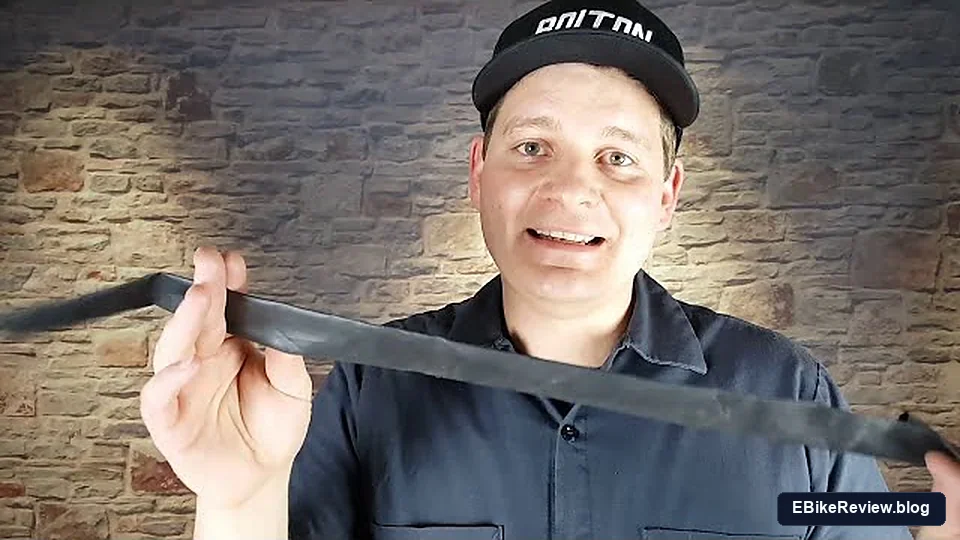
Drop tire pressure by five to ten psi during prolonged wet seasons. Avoid dropping pressure too low, as this risks dangerous pinch flats against sharp hidden potholes.
Tread patterns featuring deep sipes channel standing water away efficiently. Smooth racing slicks offer minimal traction on wet metal grates, streetcar tracks, or painted crosswalk lines.
Inspect tire rubber compounds for embedded glass shards and sharp debris. Wet conditions soften rubber slightly, making it easier for sharp objects to puncture inner tubes.
- Install puncture-resistant tires featuring thick aramid breaker belts.
- Check tire pressure weekly using a calibrated digital pressure gauge.
- Avoid sudden leaning angles when cornering on wet painted lines.
- Replace worn tires once tread depth drops below critical limits.
Navigating Metallic Obstacles Safely
Metal expansion joints and steel utility covers turn into ice rinks when wet. Cross these urban obstacles at a perpendicular angle without pedaling or braking abruptly.
Maintain steady momentum rather than making sudden directional steering corrections. Abrupt weight shifts on slick metal surfaces frequently cause instantaneous front wheel washout incidents.
- Lift your body slightly off the saddle over large metal bumps.
- Scan ahead for sunken utility covers hidden beneath standing water.
Protecting Drivetrains Against Rust and Wear
Rainwater washes away protective bicycle chain lubricants within minutes. Unprotected steel chains react instantly with oxygen, developing stubborn red surface rust overnight if neglected.
Apply a heavy wet-weather chain lube formulated specifically for cycling. These tacky lubricants resist being washed away by torrential road spray much better than dry waxes.
Wipe down the entire chain with a clean rag after riding. Removing grit-filled moisture prevents premature elongation of chain pins and expensive cassette tooth wear.
Check derailleurs and shift cables for smooth mechanical operation regularly. Water entering exposed cable housing causes high friction and sluggish gear shifting performance during downpours.
- Clean drivetrain components using a biodegradable citrus degreaser.
- Lubricate chain rollers thoroughly and wipe off excess surface drips.
- Inspect cassette teeth for shark-toothing caused by stretched chains.
- Consider internal gear hubs for superior weather protection.
Managing Mid-Drive Motor Exposure
Mid-drive motors handle rain well but require careful pressure washing avoidance. Blasting high-pressure water directly at motor axle seals forces moisture past internal bearing shields.
Use a gentle garden hose or bucket wash method instead. Keep water streams away from bottom bracket spindles where delicate torque sensors and internal electronics reside.
- Never use commercial coin-op pressure washers on electric bicycles.
- Allow wet motors to air dry completely in warm spaces.
Post-Ride Maintenance and Storage Protocols
Proper post-ride drying habits significantly extend your e-bike lifespan. When evaluating models in our best electric bike roundup, remember to store your wet bicycle in a dry garage.
Remove the removable battery pack if condensation forms on the frame. Wipe down all exposed frame joints, charging ports, and display screens with an absorbent microfiber towel.
Avoid charging a wet battery immediately after a rainy commute. Allow the housing temperature to match room temperature and ensure charging ports are completely dry beforehand.
Store your electric bicycle away from high-humidity areas like damp basements. Lingering moisture promotes galvanic corrosion on dissimilar metal fasteners and electrical connector pins.
- Keep batteries charged between twenty and eighty percent for storage.
- Spray electrical contact cleaner into connectors if erratic displays occur.
- Inspect frame welds for paint bubbling indicating hidden internal corrosion.
- Use a breathable indoor bicycle cover to block dust moisture.
Handling Sudden Electronic Glitches
Moisture inside displays can cause flickering screens or phantom throttle inputs. Power off the system immediately and remove the battery to prevent permanent controller damage.
Place silica gel packets near damp electronic components inside sealed containers. This accelerates moisture extraction from intricate throttles and computer housings safely.
- Never use hair dryers with high heat settings on electronics.
- Consult professional technicians if error codes persist after drying.
Video Walkthrough: Introduction
Essential Gear for Wet Commuting Success
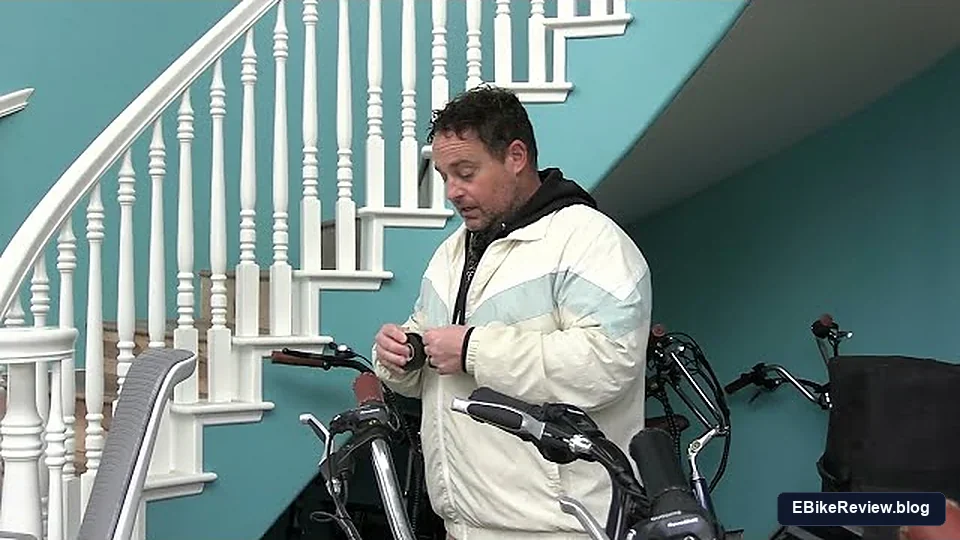
Equipping yourself and your bicycle properly transforms rainy commutes. High-visibility waterproof panniers keep spare clothes and work documents completely dry during torrential downpours.
Install full-coverage fenders to block dirty road spray from soaking your back. Many options featured in our best budget electric bike selections include pre-installed mudflaps that protect your motor housing from grit.
High-lumen LED lights increase visibility when dark storm clouds obscure traffic. Flashing rear lamps cut through heavy rain mist, alerting motorists to your exact position.
Wear breathable waterproof outerwear rather than non-porous plastic ponchos. Trapped sweat chills your body rapidly, while loose plastic sheets risk tangling in spinning wheels.
- Choose bright neon rain jackets with reflective safety piping.
- Mount flexible rubber mudflaps to extend fender splash protection.
- Use waterproof shoe covers to keep riding footwear bone dry.
- Inspect light seals to prevent condensation inside LED lenses.
Maximizing Visibility in Heavy Mist
Heavy rain reduces driver visibility and blurs windshield mirrors significantly. Mount secondary auxiliary lights on your helmet to signal drivers precisely where you look.
Reflective ankle bands draw attention through natural pedaling motion patterns. Drivers recognize biomechanical movement cues much faster than static bicycle frame reflectors alone.
- Clean headlight lenses frequently to remove mud film build-up.
- Test light battery levels before embarking on wet evening rides.
Frequently Asked Questions
Can heavy rain short circuit my e-bike battery?
Most quality e-bike batteries feature robust weather-resistant housing seals designed to handle heavy downpours without suffering internal short circuits.
However, submerging the battery pack or charging port in deep standing water can bypass these protective gaskets and cause expensive electronic failures.
Always inspect your rubber charging port covers to ensure a tight seal before rolling out into stormy weather conditions.
Is it safe to ride an e-bike through deep puddles?
Riding through deep puddles poses significant risks to your electric bicycle's hub motor and bottom bracket sensors. Water rising above the axle centerline can flood internal components, so always detour around standing water exceeding hub depth.
Preserving your internal electronics requires avoiding unknown depths completely during heavy street flooding events to prevent water ingress.
How should I dry my e-bike after a wet ride?
Start by wiping down the frame, handlebars, and seat post with an absorbent microfiber towel. Remove the battery pack if moisture is visible around the cradle and let all components air dry naturally in a warm indoor space.
Never use high-heat hair dryers or pressure washers, as excessive heat warps plastic housings and forces water deeper into sensitive connectors.
Do electric bike brakes work differently in the rain?
Wet conditions significantly reduce stopping friction, resulting in longer braking distances on slick asphalt. Hydraulic disc brakes maintain performance much better than traditional rim brakes, but anticipating stops early is essential for safe wet-weather riding.
Applying your brakes gently a few seconds prior to an intersection clears initial water films from the steel rotors.
What type of chain lubricant should I use for rainy rides?
Standard dry lubricants wash away quickly when exposed to torrential road spray and heavy downpours. You should apply a tacky wet-weather lubricant specifically formulated to resist water washout and prevent rust on steel chain links.
Wipe away excess lubricant with a clean rag after application to prevent abrasive road grit from sticking to the chain.