Can You Ride An Electric Motorcycle In The Rain
Operating high-voltage two-wheelers through heavy precipitation requires strict adherence to electrical engineering standards. Proper moisture management ensures your machine remains safe and functional during wet commutes.

Yes, you can ride safely if the powertrain meets specific IP ratings. Always verify ingress protection ratings and inspect cable seals before venturing into heavy downpours.
Looking for matching picks? See our Best Electric Motorcycle Under $1000: Top Picks.
Practical Quick-Reference Table
| Scenario / Metric | Recommended Target | Why It Matters |
|---|---|---|
| Minimum IP Rating | IP65 or higher | Blocks high-pressure rain and splashes. |
| Tire Pressure Check | Factory cold spec | Prevents wet weather hydroplaning risks. |
| Regenerative Braking | Low or medium setting | Avoids sudden rear wheel slip. |
| Water Puddle Depth | Under half wheel radius | Protects motor hub from shorting. |
| Brake Rotor Maintenance | Periodic gentle pulsing | Dries water film for quick stops. |
| Post-Ride Care | Microfiber towel wipe | Stops corrosion on metal fasteners. |
Waterproofing Standards And Ingress Protection Ratings
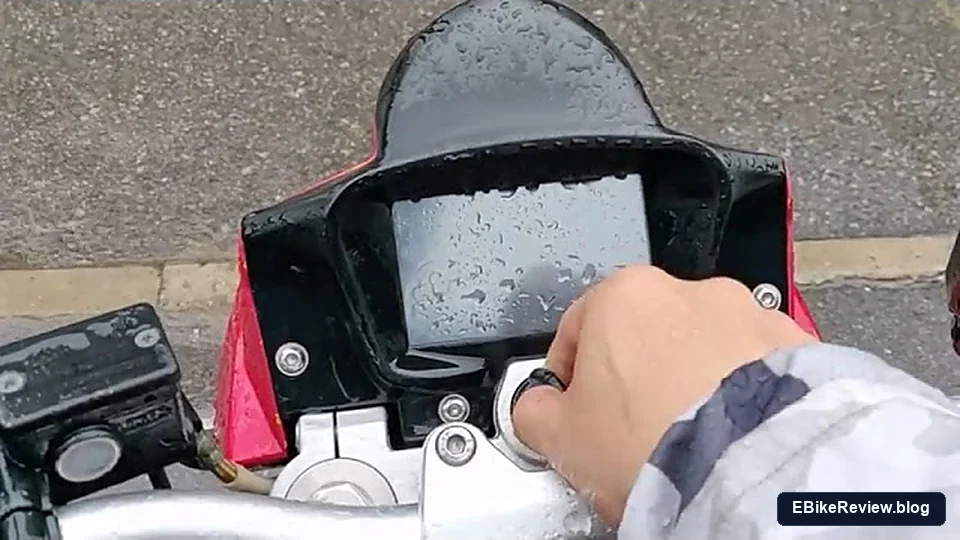
Electric motorcycles rely on rigorous enclosure ratings to prevent water ingress. Manufacturers use the IP classification system to define exact resistance levels against solid objects and liquid splashes.
A rating of IP65 or higher is generally required for continuous operation in severe rainstorms. Lower ratings expose sensitive electronics to moisture intrusion, which triggers immediate fault codes.
Gaskets and rubber seals degrade over time due to thermal cycling and UV exposure. Regular inspection of these physical barriers preserves the intended environmental protection level of your machine.
Pressure washers can easily bypass protective seals with high-pressure streams. Never direct a high-pressure nozzle straight at charging ports, display panels, or axle-mounted hub motors.
- Verify the exact IP rating stamped on the manufacturer motor plate.
- Inspect silicone gaskets around battery compartment edges for cracking.
- Avoid direct high-pressure spray washing near sensitive connector terminals.
- Replace compromised rubber port covers immediately to block moisture entry.
Understanding Submersion Limits
Standing water poses distinct operational hazards compared to falling rain. Submerging wheel hubs beyond the axle line risks permanent winding short circuits inside the motor housing.
Always bypass deep puddles that exceed half the wheel radius. When upgrading your machine, check our best electric motorcycle under 1000 guide for budget-friendly commuter builds.
- Measure standing water depth visually before attempting a crossing.
- Keep wheel hubs entirely clear of deep standing fluid pools.
Battery Pack Sealing And High Voltage Safety In Wet Weather
The traction battery represents the largest energy storage vessel on the chassis. Advanced battery management systems continuously monitor internal humidity levels to prevent catastrophic short circuits.
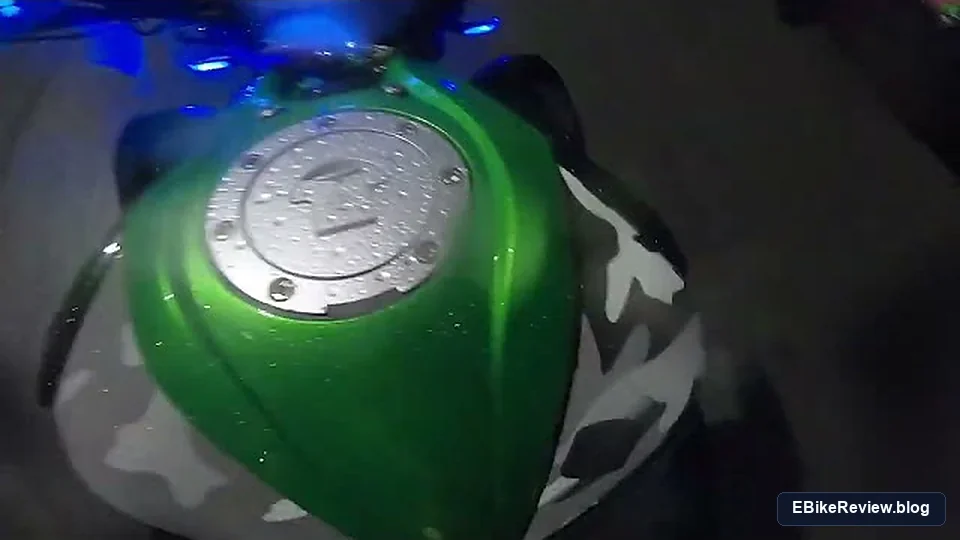
Battery enclosures feature specialized one-way breather valves to release internal pressure. Models featured in our best electric hunting bike guide utilize these seals to prevent moisture ingress.
High-voltage cables use heavy-duty orange insulation with locking waterproof connectors. Inspect these heavy terminals frequently to ensure locking collars remain tight against moisture ingress.
Charging outdoors during active rainfall introduces severe electrical shock hazards. Always utilize covered charging stations and ensure the charging port seal is completely dry before connection.
- Inspect orange high-voltage cabling for abrasion or cracking damage.
- Ensure battery breather valves remain unobstructed by mud or debris.
- Never plug into outdoor chargers with exposed or wet terminal pins.
- Monitor dashboard error logs for any low-voltage insulation warning alerts.
Thermal Management And Moisture
Cold rain rapidly cools the battery pack during high-speed highway travel. This sudden temperature drop temporarily reduces available output power and regenerative braking efficiency.
Modern thermal management systems compensate by regulating internal cell heaters automatically. Allow the powertrain to warm up properly before demanding maximum torque output.
- Expect reduced acceleration performance during freezing rain conditions.
- Allow sufficient time for internal cell heaters to stabilize temperatures.
Video Walkthrough: Can You Ride an E-bike in the RAIN?
Controller And Wiring Harness Protection Against Moisture
The motor controller translates throttle inputs into precise electrical currents. You can estimate power draw using our ebike range calculator tool while protecting internal circuit traces from moisture bridging.
Wiring harnesses utilize heat-shrink tubing lined with adhesive to seal splices. Check these vulnerable junctions annually to catch failing insulation before corrosion compromises system reliability.
Dielectric grease applied inside multi-pin connectors displaces moisture effectively. Reapplying this specialized electrical compound during routine service prevents terminal oxidation and intermittent electrical faults.
Secure loose wire bundles with zip ties to prevent chafing. Constant vibration combined with abrasive road grit can wear through insulation jackets during wet rides.
- Apply dielectric grease generously to all exposed wiring harness connectors.
- Secure dangling wire harnesses tightly to prevent vibration-induced chafing.
- Inspect controller cooling fins for accumulated road salt or grime.
- Check dashboard display units for internal condensation accumulation signs.
Tire Compound Selection And Wet Traction Physics
Heavy electric motorcycles generate massive immediate torque from a dead stop. If you are shopping for heavy-duty builds, explore our best electric motorcycle under 2000 selections for rainy-day commutes.
Selecting tires with deep sipes and silica-infused compounds improves wet road grip. Soft rubber compounds conform better to rough pavement micro-textures during inclement weather conditions.
Maintaining proper tire pressure is critical for evacuating water effectively. Under-inflated tires increase the risk of hydroplaning when riding through standing water on highways.
Avoid painted road markings, metal manhole covers, and railway tracks. These surfaces become extremely slippery when wet, requiring smooth, upright steering inputs to maintain balance.
- Check tire tread depth weekly using a standard depth gauge.
- Maintain factory-recommended cold tire pressures for optimal contact patches.
- Avoid abrupt throttle applications when cornering on wet pavement.
- Install tires featuring advanced silica-rich compounds for enhanced rain grip.
Braking System Dynamics And Regenerative Braking In Rain
Wet brake rotors significantly increase initial stopping distances on two-wheelers. Hydraulic disc brakes require a brief moment to squeegee water films off the rotor surface.
Regenerative braking applies electronic resistance directly through the hub motor. Excessive regen force on slick pavement can easily lock the rear wheel and cause sliding.
Reduce your regenerative braking aggression level through the dashboard settings menu. Softer deceleration profiles prevent unexpected rear-wheel slip when navigating wet urban environments.
Periodically pulse your physical brakes lightly while riding in rain. This quick action generates friction heat that dries the brake pads and rotors for emergency use.
- Lower regenerative braking intensity settings before riding in storms.
- Increase following distances to compensate for longer wet braking distances.
- Inspect brake pad friction material thickness prior to wet seasons.
- Apply both front and rear brakes progressively during emergency stops.
Post Ride Inspection And Routine Maintenance Protocols
Post-ride maintenance prevents long-term moisture damage to electrical components. Begin by wiping down the frame and drying accessible surface areas with a clean microfiber towel.
Inspect the drive chain or belt for accumulated grit. Lubricate metal chains immediately after wet rides to displace residual water and prevent accelerated rust formation.
Check the battery charging port for trapped moisture or debris. Leave the port cover open in a dry garage until all lingering condensation completely evaporates.
Test all lighting circuits, turn signals, and the horn before departure. Functional electronics ensure high visibility and safety when commuting through gloomy rainstorms.
- Dry down the chassis completely with clean microfiber towels.
- Lubricate drive chains immediately to prevent moisture-induced rust buildup.
- Leave charging compartment doors open for ventilation after wet trips.
- Test all auxiliary lighting systems before your next morning commute.
Pre Ride System Diagnostics And Diagnostic Checks
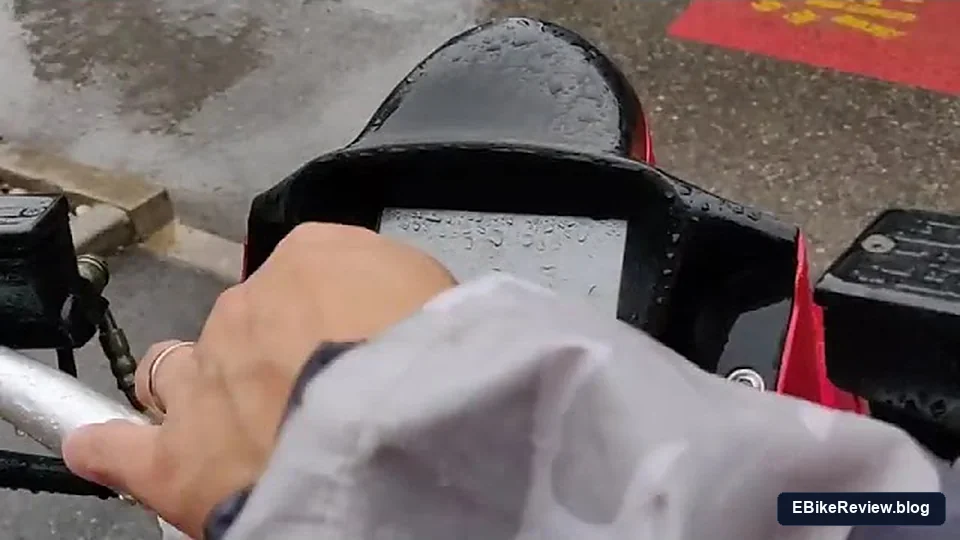
Conduct a thorough pre-ride check before rolling out into inclement weather. Verify that the dashboard boots up without displaying any critical insulation fault warning messages.
Listen carefully for any unusual humming sounds from the motor housing. Strange noises often indicate water contamination inside the bearing seals or internal stator assembly.
Test the throttle response in a safe, open area at low speeds. Ensuring smooth power delivery confirms that electronic throttles are free from moisture interference.
Inspect all structural fasteners and axle nuts for secure torque values. Vibration and thermal expansion can loosen critical hardware during extended wet weather operation.
- Scan dashboard diagnostic screens for active insulation fault codes.
- Test throttle response smoothly in a controlled, open environment.
- Verify secure tightening torque on all critical frame fasteners.
- Inspect wheel bearings for rough rotation or unusual grinding noises.
Frequently Asked Questions
Can riding an electric motorcycle in heavy rain damage the motor?
Most modern electric motorcycle motors feature robust industrial Ingress Protection ratings designed to withstand heavy driving rain and road splashes without sustaining permanent internal damage.
However, intentionally submerging the axle hub in deep standing water can easily breach protective shaft seals and cause catastrophic electrical short circuits across the internal stator windings.
How do I protect my battery pack during wet weather commutes?
Always verify that your heavy-duty battery compartment seals, protective rubber gaskets, and one-way pressure breather valves are completely clean and fully functional before heading out into heavy storms.
Additionally, you should never attempt to charge the high-voltage battery pack outdoors during active rainfall to prevent severe electrical shock hazards and permanent terminal corrosion.
Why does my electric motorcycle feel less stable on wet pavement?
The instantaneous torque delivery typical of high-performance electric motors can easily break rear tire traction on slick asphalt surfaces covered in rainwater.
Installing advanced silica-infused tire compounds, maintaining strict inflation pressures, and reducing regenerative braking intensity helps riders maintain exceptionally smooth, predictable control throughout challenging rainy weather commutes.
Is it safe to use a pressure washer to clean my bike after rain?
Using a high-pressure commercial washer on an electric motorcycle is strongly discouraged because powerful water streams can easily bypass factory rubber seals and electrical gaskets.
Instead, you should clean your machine using a gentle garden hose rinse and soft microfiber towels to protect delicate onboard electronics from moisture intrusion.
What should I check immediately after riding in a rainstorm?
Carefully inspect your charging compartment port for trapped moisture, thoroughly dry down the metal frame chassis with clean microfiber towels, and thoroughly lubricate the drive chain.
Checking these vital items immediately prevents accelerated corrosion and ensures long-term electrical system reliability for your future daily commutes.