Can You Ride An Electric Bike In The Rain Safely
Understanding wet-weather commuting requires examining electrical ingress protection ratings, tire rubber compounds, and rigorous mechanical maintenance protocols. Proper preparation ensures safe transit through heavy precipitation events.

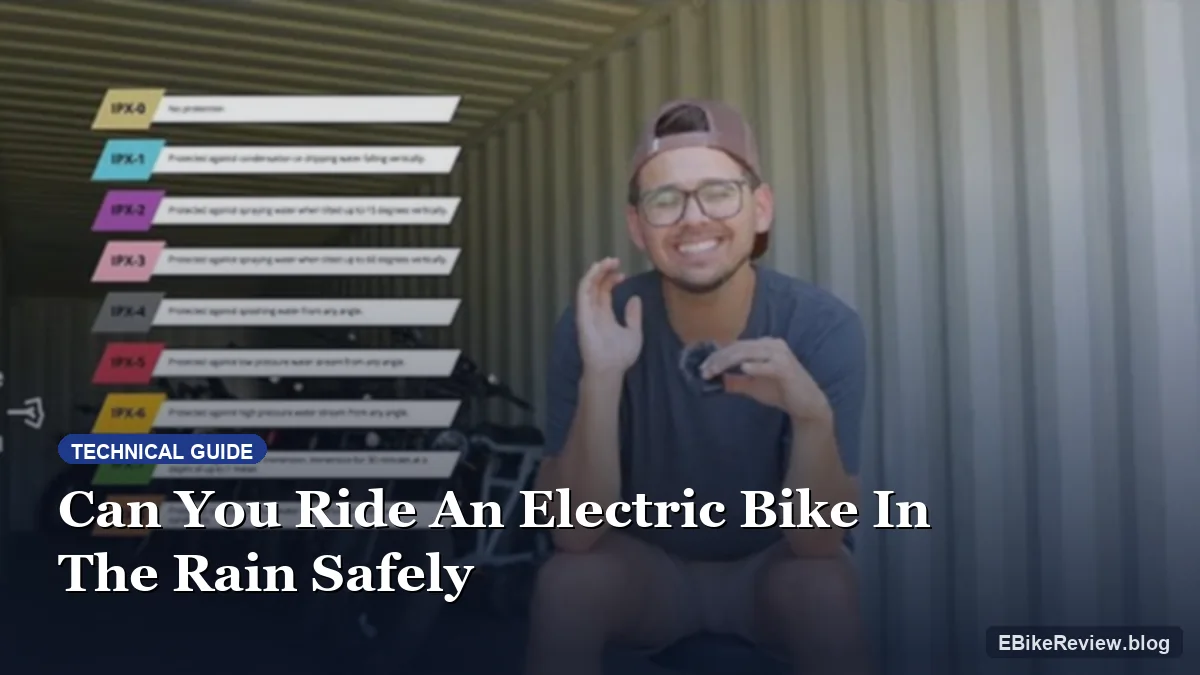
Yes, modern electric bikes are engineered to withstand precipitation, provided their electrical components meet specific water-resistance standards. Maintaining proper tire pressure and brake pad alignment is vital.
Looking for matching picks? See our Best Electric Road Bike For Group Rides: Top Picks.
Practical Quick-Reference Table
| Scenario / Metric | Recommended Target | Why It Matters |
|---|---|---|
| IP Rating | IPX4 to IPX65 | Ensures adequate protection against splashing water and heavy jets. |
| Tire Pressure | 10% lower than dry | Increases contact patch and grip on slick wet asphalt. |
| Brake Rotors | Hydraulic disc brakes | Maintain consistent stopping power despite continuous moisture exposure. |
| Chain Lube | Wet-weather Teflon/wax | Prevents rapid corrosion and displaces moisture from pivot points. |
| Battery Seal | Rubber gasket intact | Stops water ingress into battery housing and terminal pins. |
| Storage Temp | Indoor room temp | Prevents condensation buildup inside sensitive display electronics and controllers. |
Demystifying Electrical Ingress Protection And Water Resistance
Electric bicycle manufacturers utilize Ingress Protection (IP) codes to denote resistance against moisture and particulate ingress. Understanding these numerical ratings helps riders determine whether their specific model can handle heavy rainstorms.
Most quality e-bikes feature an IPX5 or IPX6 rating, meaning they withstand low-pressure water jets from any direction. However, submersing the motor or controller housing will still cause catastrophic electrical short circuits.
Rubber grommets and silicone seals protect internal wiring harnesses, but these seals degrade over time due to UV exposure and thermal cycling. Regular visual inspections are mandatory before riding in wet conditions.
Display units and throttle levers are vulnerable entry points for rainwater infiltration during extended downpours. Applying a thin bead of dielectric grease to connector pins adds an extra layer of moisture defense.
Understanding IP ratings is critical for safe wet-weather riding. Look for an IPX5 or higher certification on your motor housing to ensure adequate protection against direct water jets and driving rain.
The IP65 standard means the electronic component is totally dust-tight and resists low-pressure water streams from any angle. Never assume submersion safety, as most e-bike enclosures are strictly weather-resistant rather than waterproof.
Rubber gaskets degrade over time under UV exposure. Inspect terminal seals every six months and replace hardened O-rings immediately to prevent costly moisture infiltration inside the primary battery compartment.
Controller housings rely on thermal paste and tight fasteners. Torque all housing screws to manufacturer specifications, usually 2 to 3 Newton-meters, maintaining uniform pressure across the sealing interface to block rain.
- Inspect rubber charging port covers tightly
- Check controller housing gasket integrity annually
- Avoid pressure washing delicate electrical connectors
- Store e-bike indoors to dry completely
Decoding IP Ratings For Wet Commuting
The digit following the IP prefix indicates liquid resistance scaling from dripping water to high-pressure immersion. IPX4 ratings handle splashing, while IPX6 ratings withstand powerful water jets easily.
Never assume an unrated e-bike is waterproof. Review our best budget electric bike selections to compare ingress protection ratings before committing to a wet-weather commuter purchase.
- Look for IPX4 minimum for light rain
- Require IPX6 for heavy downpours
- Confirm battery box rating separately
Hardware Diagram Analysis Of Waterproof Sealing Points
Examining an e-bike hardware diagram reveals critical vulnerability zones where moisture can penetrate internal circuitry. The bottom bracket, battery dock, and motor axle entry points require specialized sealing components.
Hub motors feature internal rubber shaft seals that keep water out of the stator windings and planetary gears. If these seals fail, moisture accumulation leads to rust and permanent bearing seizure.
Battery mounting rails contain spring-loaded electrical contact pins that arc or corrode when exposed to salty rainwater. Cleaning these terminals with contact cleaner prevents electrical resistance spikes.
Controller boxes are typically housed inside the frame downtube or rear rack, shielded from direct rainfall. Despite this enclosure, condensation can form inside if thermal seals are compromised.
Cable entry ports represent the primary weak point on any electric bicycle frame. Apply a thick layer of dielectric grease inside all connector plugs to displace moisture and prevent galvanic corrosion.
Display units feature fragile button membranes that crack over time. Wrap vulnerable handlebar computers in a clear silicone cover during heavy downpours to safeguard internal LCD circuits against pooling rainwater.
Charging ports require dedicated rubber plug inserts whenever you ride outside. Leaving the port exposed allows road spray to pool directly on the charging pins, risking severe short circuits upon startup.
Motor axle exits experience constant rotational stress that compromises standard shaft seals. Modern hub motors utilize double-lip oil seals to effectively block pressurized water from entering the core stator assembly.
- Identify motor axle seal locations
- Locate battery dock drain channels
- Inspect controller compartment venting paths
- Check torque sensor wiring entries
Video Walkthrough: Search filters
Hands-On Workshop Setup For Wet Weather Calibration
Setting up a home workshop for rainy-season maintenance requires specific cleaning supplies, drying agents, and specialized lubricants. Organizing your workbench streamlines the process of post-ride maintenance tasks.
A sturdy repair stand elevates the frame so you can check tire wear efficiently. After servicing, use our ebike range calculator to estimate how cold weather affects your battery capacity.
Ambient humidity in your workshop should remain low to prevent flash rusting on steel bolts and chain links. Dehumidifiers protect delicate electronic components during winter and spring storm seasons.
Always disconnect the primary battery pack before performing any electrical diagnostics or maintenance procedures in your workshop. This prevents accidental short circuits and protects sensitive microcontrollers.
Prepare your workshop with a stable repair stand and specialized electronic contact cleaner. Disconnect the main battery before spraying any solvent near sensitive throttle assemblies or handlebar wiring harnesses.
Use a digital multimeter to test sensor resistance values across brake motor inhibitors. Readings outside the 5-kilohm threshold indicate moisture contamination requiring immediate disassembly and thorough forced-air drying.
Inspect spoke tension using a calibrated tensiometer. Wet roads hide sharp potholes, and loose wheels lose structural integrity rapidly under combined braking loads and hydroplaning impact forces.
Apply heat-shrink tubing over spliced auxiliary light wires. A dual-wall adhesive variant melts cleanly when heated, creating an airtight, waterproof seal that withstands severe seasonal temperature fluctuations.
- Mount e-bike securely in repair stand
- Keep compressed air canister handy
- Stock wet-specific chain lubricants
- Use dedicated electrical contact cleaner
Tire Pressure And Traction Physics On Wet Asphalt
Wet roads significantly reduce tire traction, requiring tactical adjustments to tire inflation pressures and rubber compounds. Lowering your tire pressure slightly increases the contact patch area for better grip.
Avoid running tires at maximum PSI during rainy commutes, as high pressure decreases rubber deformation over slick surfaces. Tread patterns with deep sipes help channel standing water away effectively.
Check tire tread depth regularly to ensure the rubber can properly evacuate water films beneath the contact patch. Worn tires on wet pavement dramatically increase braking distances and skidding risks.
Pavement contaminants like oil and diesel mix with rainwater to create exceptionally slippery sludge, especially during the first ten minutes of a storm. Navigate painted road lines with extreme caution.
Reduce your standard tire pressure by three to five psi when riding on slick pavement. This minor adjustment increases the contact patch area, improving mechanical grip on wet asphalt.
Avoid riding on bald tires during rainy commutes. Select tires featuring deep siping channels designed to channel water away from the contact surface, preventing dangerous hydroplaning at higher speeds.
Cornering physics change dramatically on rain-slicked roads. Maintain a more upright posture through turns and rely less on aggressive lean angles to prevent sudden loss of lateral tire traction.
Painted road lines and metal manhole covers become exceptionally slick when wet. Reduce your speed significantly before crossing these hazards to maintain safe, predictable steering control throughout your journey.
- Reduce tire pressure by ten percent
- Install tires with deep tread grooves
- Inspect rubber compound for aging cracks
- Avoid abrupt steering inputs on metal plates
Hydraulic Braking Systems And Rotor Maintenance In Rain
Wet weather drastically impairs stopping performance, making reliable brakes essential. For off-road utility, consult our best electric hunting bike for the money guide to find models equipped with heavy-duty hydraulic stopping power.
Sintered metal brake pads offer superior longevity and bite in wet conditions compared to organic resin compounds. However, they tend to generate more noise when operating in heavy downpours.
Clean your brake rotors periodically with isopropyl alcohol to remove road grime, oil film, and abrasive grit. Contaminated rotors produce a squealing sound and drastically reduce braking efficiency.
Inspect brake pad thickness before every rainy ride to ensure adequate material remains for sudden stops. Worn pads combined with water contamination can cause complete brake failure on steep descents.
Hydraulic disc brakes deliver superior stopping power in wet conditions compared to mechanical alternatives. Ensure your system uses sintered metal pads for maximum friction and longevity during muddy rides.
Clean brake rotors regularly using dedicated isopropyl alcohol. Removing oily road grime prevents annoying brake squeal and maintains optimal stopping distance on wet, slippery city streets.
Check hydraulic lines for microscopic cracks where moisture can seep into the mineral oil. Contaminated fluid boils at lower temperatures, leading to spongy brake levers and catastrophic stopping failure.
Inspect rotor thickness using a precision micrometer. Replace steel rotors immediately if they measure below the minimum thickness stamped on the carrier to ensure safe wet-weather braking performance.
- Upgrade to sintered brake pads
- Clean rotors with isopropyl alcohol
- Test brakes immediately after starting
- Check hydraulic fluid line integrity
Drivetrain Preservation And Lubrication Protocols
Rain rapidly washes away standard dry chain lubricants, leaving bare metal exposed to corrosive moisture and road salt. Applying a wet-weather lube forms a tenacious barrier against water wash-off.
Wipe down your chain with a clean rag after every wet ride before applying a fresh drop of lubricant to each roller. This prevents gritty sludge from grinding down your cassette teeth.
Derailleur pivot points and shift cables also require regular anti-corrosion treatment to prevent sluggish gear shifting. Trapped moisture inside cable housings can freeze or rust solid over time.
Inspect your chain for stretch using a dedicated tool, as accelerated wear occurs when running in gritty wet environments. Replace worn chains promptly to save your expensive chainrings and cogs.
Wet rides strip standard lubricants off your bicycle chain rapidly. Switch immediately to a heavy-duty wet chain lube containing synthetic oils that resist being washed away by puddles.
Wipe down the entire chain with a clean microfiber cloth after every rainy commute. Eliminating trapped grit prevents accelerated wear on your expensive cassette teeth and chainrings.
Derailleur pivot points require regular drops of light machine oil to prevent rust buildup. Keep your shifting mechanism moving smoothly by clearing away organic debris stuck in the linkage.
Check chain wear indicators frequently during the rainy season. A stretched chain exceeding the zero-point-five percent wear limit will quickly destroy your entire multi-speed transmission components.
- Wipe chain dry after every wet ride
- Apply heavy wet-weather chain oil
- Lubricate derailleur pivot points
- Check chain elongation regularly
Step-By-Step Post-Ride Drying And Storage Procedures
Proper post-ride care prevents long-term electrical corrosion and mechanical degradation after commuting in heavy rain. Never store a wet e-bike inside a sealed, unventilated vehicle or damp basement area.
Park the e-bike in a covered, well-ventilated space and wipe down the frame, fork, and battery casing using an absorbent microfiber towel. Allow remaining moisture to evaporate completely overnight.
Remove the battery pack if it shows signs of moisture ingress around the housing seams, wiping the contact terminals dry. Store the battery at recommended indoor room temperatures away from moisture.
Power on the display unit only after all external moisture has been thoroughly wiped away from button seals and ports. If the screen flickers, power down immediately and let it dry.
Never store your e-bike in a damp basement after riding. Check out our best electric bike commuter picks to see which commuter models feature weather-resistant frames ideal for garage storage.
Remove the battery pack and wipe down both terminal blocks with a dry cloth. Storing the battery at a stable forty to sixty percent charge optimizes cell health indoors.
Avoid using high-pressure pressure washers to clean mud off your frame. Blasting water directly at pivot bearings forces moisture past seals, ruining your expensive suspension linkages and bottom brackets.
Run a dry rag across all exposed electrical connectors before your next commute. Proactive moisture removal prevents terminal oxidation and guarantees reliable electrical system performance year-round.
- Wipe frame and components dry
- Remove battery for terminal inspection
- Park in well-ventilated indoor space
- Avoid using high-heat blow dryers
Frequently Asked Questions
Can riding in heavy rain permanently damage my electric bike motor?
Most modern electric bike hub motors feature robust internal rubber sealing designed to easily resist heavy rainfall without sustaining permanent operational damage during your daily commute.
However, intentionally submersing the motor housing in deep standing water puddles can breach those protective seals and permanently ruin sensitive internal electrical windings.
How do I know if my e-bike has enough water resistance?
You should always inspect the user manual or manufacturer technical specifications to verify whether your specific model carries an official Ingress Protection rating.
Look for at least an IPX4 designation to ensure adequate protection against splashing water, heavy downpours, and wet road spray during everyday outdoor transit.
Is it safe to charge my electric bike battery immediately after riding in the rain?
Never plug your electronic battery charger directly into the frame charging port while visible moisture remains present around the external housing or metal terminal pins.
Always thoroughly wipe down the entire charging area with a dry microfiber cloth and allow complete ambient evaporation before initiating any power transfer sequences.
What type of brakes perform best during wet weather riding?
Hydraulic disc brake systems provide superior stopping power, modulation, and consistency when navigating slick, rain-soaked pavement compared to mechanical cable pull brakes.
Pairing these hydraulic systems with durable sintered metal brake pads ensures reliable friction and shorter stopping distances under heavy precipitation.
How should I dry my e-bike chain after a rainy commute?
You must vigorously wipe down the entire chain length with a clean, absorbent cloth to strip away corrosive moisture and abrasive grit immediately after your ride.
Following this drying step, apply a specialized wet-weather lubricant to each individual roller to protect against rust formation and maintain smooth drivetrain efficiency.