Can You Ride A Jetson Bolt In The Rain Safely
Evaluating compact electric bike weather resistance requires examining housing seals and connector gaskets. This technical manual explores moisture ingress risks and protective maintenance protocols.

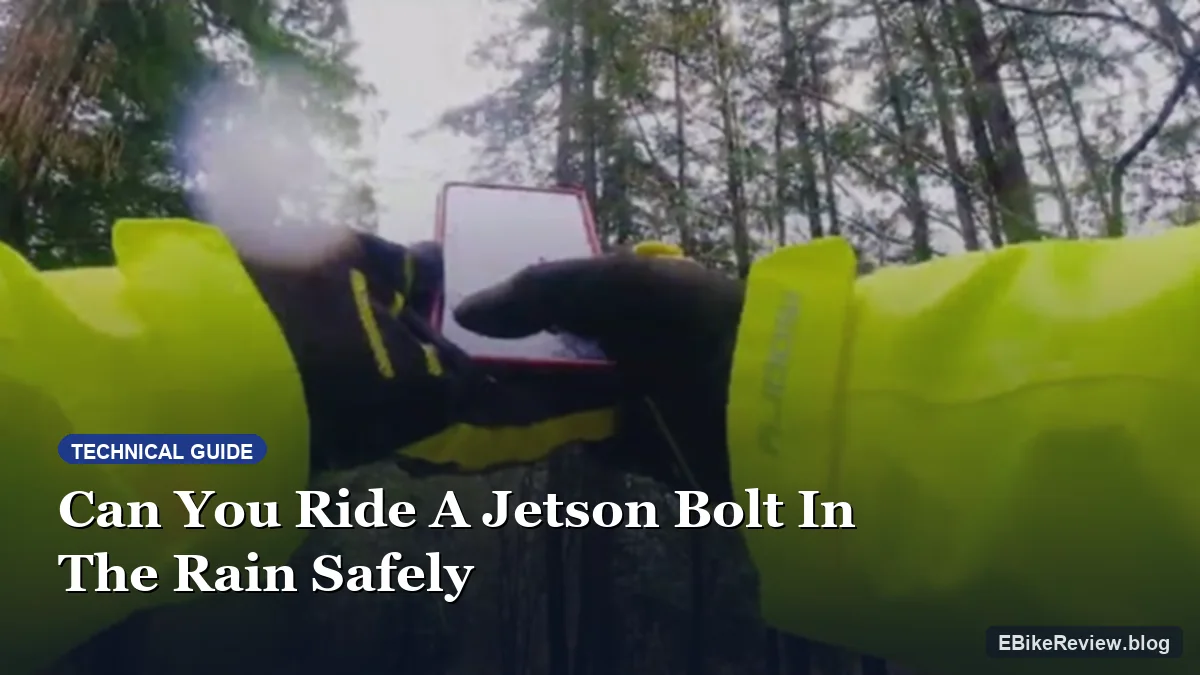
You should avoid riding your compact commuter in heavy downpours because the factory frame lacks an official high-level waterproof rating. Moisture intrusion risks short-circuiting the internal hub motor wiring and controller.
Looking for matching picks? See our Best Electric Road Bike For Group Rides: Top Picks.
Practical Quick-Reference Table
| Scenario / Metric | Recommended Target | Why It Matters |
|---|---|---|
| Light Drizzle Transit | Under 15 Minutes | Minimizes gasket saturation risks |
| Puddles and Standing Water | Avoid Entirely | Prevents axle bearing water ingress |
| Post-Ride Drying Time | 2 Hours Minimum | Stops terminal oxidation processes |
| Connector Dielectric Grease | Annual Application | Repels moisture from harness pins |
| Tire Pressure Wet Roads | Reduce by 3 PSI | Improves micro-contact patch grip |
| Storage Environment | Indoor Climate Controlled | Prevents condensation on circuit boards |
Factory Ingress Protection Ratings Of Compact Commuter Frames
Compact commuter frames utilize minimal chassis sealing to maintain lightweight portability. Factory ingress protection remains largely unrated for total immersion or sustained heavy rain exposure.
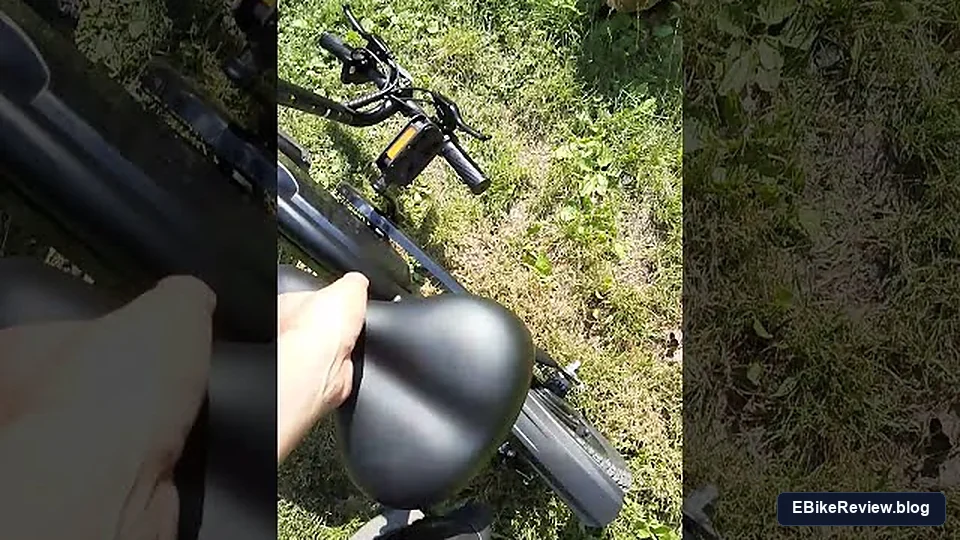
Internal wiring harnesses feature basic rubber grommets rather than hermetic seals, similar to compromises found across our best hunting ebike for the money options before weatherproofing upgrades.
Users must understand that splash resistance differs fundamentally from complete waterproofing. Relying on superficial seals during storms often leads to catastrophic electrical failure.
Manufacturers design these affordable frames for dry urban pavements primarily. Exposing unsealed chassis seams to driving rain invites internal moisture accumulation.
- Chassis joints lack continuous welded bead waterproofing membranes.
- Rubber wire pass-through grommets degrade rapidly under UV stress.
- Battery compartment latch mechanisms allow capillary moisture draw.
- Axle slot openings permit direct wheel spray entry points.
Evaluating Gasket Integrity Across Seam Interfaces
Inspecting frame joints requires careful removal of surface dust and grime. Microscopic gaps in sealant reveal themselves through dark discoloration lines.
Testing gasket resilience involves applying gentle finger pressure along battery trays. Any noticeable deflection indicates compromised weather barrier integrity.
- Wipe down all frame crevices using a lint-free microfiber cloth.
- Check battery housing perimeter for deteriorated neoprene foam gaskets.
Electrical Component Vulnerabilities During Wet Weather Transit
The throttle assembly and handlebar display unit contain sensitive printed circuit boards, which are heavily protected on our best electric hunting bike for the money selections to prevent failure.
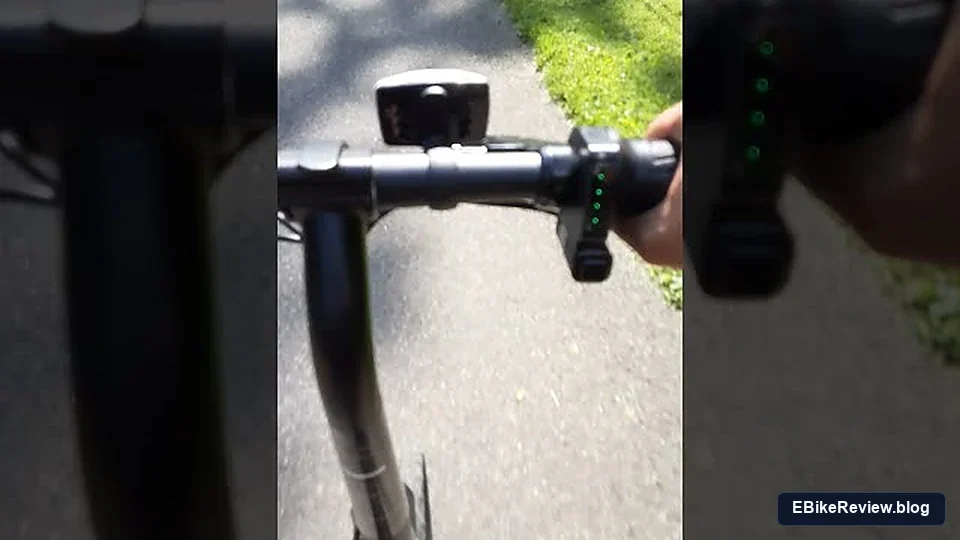
Controller housings sit directly inside the lower frame cavity near road spray zones. Pooling water inside this cavity creates immediate low-resistance electrical shorts.
Hub motor phase wires enter through unprotected axle hollows without strain reliefs. Capillary action pulls moisture directly into the copper winding assemblies.
Brake sensor cut-off switches rely on exposed micro-switches susceptible to oxidation. Corroded switch contacts disable motor engagement permanently over time.
- Display screens lack secondary conformal coating protection layers.
- Throttle potentiometers trap condensation within sealed plastic housings.
- Controller mosfets overheat quickly when moisture bridges heat sinks.
- Charging ports act as direct funnels for vertical rainfall.
Analyzing Connector Pin Oxidation Risks
JST and waterproof-style connectors still collect ambient humidity during wet rides. Trapped water molecules accelerate galvanic corrosion on brass pins.
Disassembling wiring harnesses reveals greenish copper sulfate deposits quickly. Oxidized terminal pins increase electrical resistance and cause intermittent power drops.
- Unplug main harness lines to inspect internal pin coloration.
- Scrape away minor oxidation using a specialized terminal pick.
Video Walkthrough: Can You Ride an E-bike in the RAIN?
Digital Diagnostic Workflows And Diagnostic Toolsets
Modern technical maintenance relies on structured digital diagnostic tools to track faults. All the tools required for analysis, including our ebike range calculator, reside within standard digital suites.
Technicians utilize comprehensive software templates for logging electrical resistance readings. Templates for absolutely anything streamline routine post-storm troubleshooting procedures.
Platform ecosystems offer advanced visual layer inspection guides for complex repairs. Unlock Canva creative ecosystem styles to design custom repair manuals.
Starting digital documentation workflows prevents recurring electronic oversight during wet seasons. Start designing clean technical layouts to map out maintenance intervals accurately.
- Deploy digital multimeters to measure resistance across wet phases.
- Log continuity test results inside standardized inspection templates.
- Compare baseline voltage drops against post-rain operational metrics.
- Export diagnostic logs to track progressive insulation breakdown.
Configuring Diagnostic Interfaces For Field Repairs
Establishing a reliable mobile workstation speeds up emergency troubleshooting sessions. Tools to power your best work include calibrated multimeters and heat guns.
Organizing gear logically prevents accidental loss of tiny fastener hardware outdoors. All tools in one place ensure rapid access during sudden downpours.
- Arrange insulated hand tools inside a water-resistant organizer bag.
- Keep spare heat-shrink tubing ready for emergency wire splices.
Managing Controller Board Sealing And Moisture Mitigation
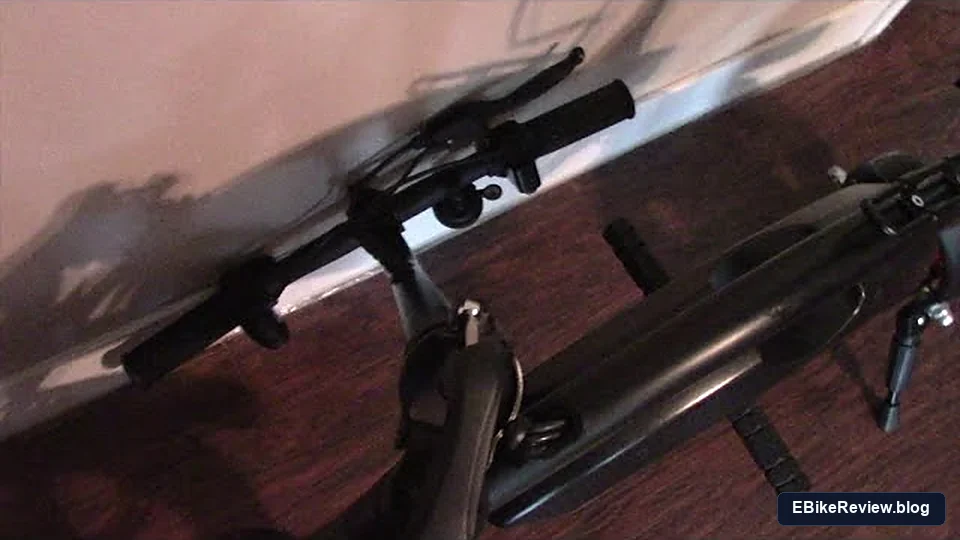
Protecting the central motor controller demands proactive secondary encapsulation techniques. Applying marine-grade conformal coating shields sensitive circuit board traces effectively.
Silicone dielectric grease prevents moisture from bridging exposed solder pads. Careful application around connectors creates a hydrophobic physical barrier.
Allowing adequate curing time ensures the protective polymer bonds permanently. Rushed sealing attempts trap existing humidity against delicate microchips.
Inspect housing breathers to ensure internal pressure equalizes without drawing water. Blocked ventilation paths force condensation directly onto processor chips.
- Clean circuit boards with isopropyl alcohol before coating application.
- Brush conformal resin evenly across all surface-mounted components.
- Inject dielectric grease into every male connector housing pin.
- Seal cable entry ports with high-temperature RTV silicone sealant.
Wet Weather Traction Mechanics And Small Wheel Dynamics
Small diameter wheels experience drastically reduced gyroscopic stabilization on wet asphalt. Compact tire contact patches hydroplane easily over shallow standing puddles.
Braking distances double or triple when water lubricates metallic rotor surfaces. Mechanical disc brakes lose initial bite until friction dries the pads.
Lowering tire pressure slightly increases rubber contact area on slippery surfaces. Maintaining proper tread depth channels water away from the contact patch.
Cornering aggressively in the rain causes immediate front wheel washout. Smooth steering inputs remain vital for maintaining control on wet metal grates.
- Inspect tire tread rubber for micro-cracking and wear indicators.
- Avoid painted road markings and steel utility covers entirely.
- Apply rear brakes slightly ahead of front brakes to prevent slips.
- Reduce cornering speeds by half during active precipitation.
Post-Ride Maintenance Routines For Complete Corrosion Prevention
Immediate post-ride care prevents permanent rust formation on exposed steel fasteners. Wiping down the chassis removes abrasive grit mixed with rainwater.
Compressed air clears trapped water droplets from delicate switch housings quickly. Never use high-pressure washers because they force water past wheel bearings.
Lubricating the chain and pivot points drives out lingering moisture effectively. Applying rust inhibitor sprays protects unpainted metallic structural components.
Storing the bike in a warm space accelerates natural evaporation rates, much like riders expect from our best e mountain bike for the money choices when drying components.
- Dry electrical contacts using a gentle low-heat blow dryer.
- Apply Teflon-based lubricant to all exposed pivot fasteners.
- Inspect brake rotors for mineral deposits left by drying puddles.
- Store the frame upright to encourage natural drainage flows.
Integrating Visual Layer Analysis For Component Inspection
Advanced visual documentation requires separating image layers for detailed technical reviews. A visual demonstration of an image separated into distinct layers highlights damage.
Isolating background elements from the core bicycle chassis simplifies crack identification. Distinct layers including bottles, flowers, and background clarify spatial contexts.
Side-by-side photographic comparisons track progressive rust development across maintenance cycles. A side-by-side example of a photo highlights corrosion growth accurately.
Seamlessly removing background distractions focuses attention strictly on mechanical wear points. Where a person in the background is removed for technical clarity.
- Capture high-resolution macro photos of suspect frame welds.
- Layer multiple inspection images to track component degradation trends.
- Isolate electrical harness routing paths using digital masking tools.
- Compare pre-season and post-season structural photos side-by-side.
Utilizing Split-Screen Comparisons For Damage Mapping
Split-screen formats allow technicians to compare damaged parts against factory standards. A split-screen comparison showing two men taking selfies provides poor utility.
Adapting split-screen tools for mechanical inspection reveals subtle chassis deformations. Replacing original backgrounds with neutral grids improves defect visibility.
- Align baseline reference images alongside current damage photos.
- Measure structural deflection angles using digital overlay rulers.
Safe Storage Protocols Following Heavy Precipitation Exposure
Proper storage mitigates long-term environmental degradation after wet weather rides. Bringing the vehicle indoors prevents sub-freezing temperatures from expanding trapped water.
Elevating the tires off damp concrete floors stops structural corrosion transfer. Using wall-mount brackets encourages optimal air circulation around the frame.
Disconnecting the lithium-ion battery pack reduces parasitic drain risks during storage. Storing batteries at room temperature preserves overall cell health integrity.
Covering the chassis with a breathable cloth prevents ambient dust accumulation. Avoid airtight plastic tarps because they trap condensation against metal.
- Keep storage areas within moderate temperature humidity ranges.
- Check battery charge levels weekly during extended wet storage.
- Ensure charging ports remain capped with rubber plugs securely.
- Inspect floor storage zones for pooling condensation puddles.
Frequently Asked Questions
Can you ride a jetson bolt in heavy downpours safely?
You should avoid riding in heavy downpours because the unsealed frame allows water to enter electrical compartments. This moisture intrusion risks short-circuiting the internal controller permanently.
What happens if water gets inside the throttle display?
Water pooling inside the display housing causes erratic throttle behavior or total system failure. Corroded internal micro-switches require complete handlebar assembly replacement.
How can I waterproof my compact electric bike at home?
You can apply marine-grade conformal coating to circuit boards and pack connectors with dielectric grease. These hydrophobic barriers significantly reduce moisture ingress risks.
Is it safe to store my commuter bike in a damp garage?
Storing the bike in damp environments accelerates metallic rust and terminal oxidation processes. Indoor climate-controlled storage remains essential for preventing long-term structural damage.
What immediate steps should I take after riding in the rain?
Wipe down the entire chassis with a dry microfiber cloth and clear water from switches. Allowing adequate drying time prevents progressive electrical corrosion.