Can You Pedal An Ebike With A Dead Battery
Dead battery situations happen to every rider on long journeys. Understanding mechanical resistance helps you get home safely.

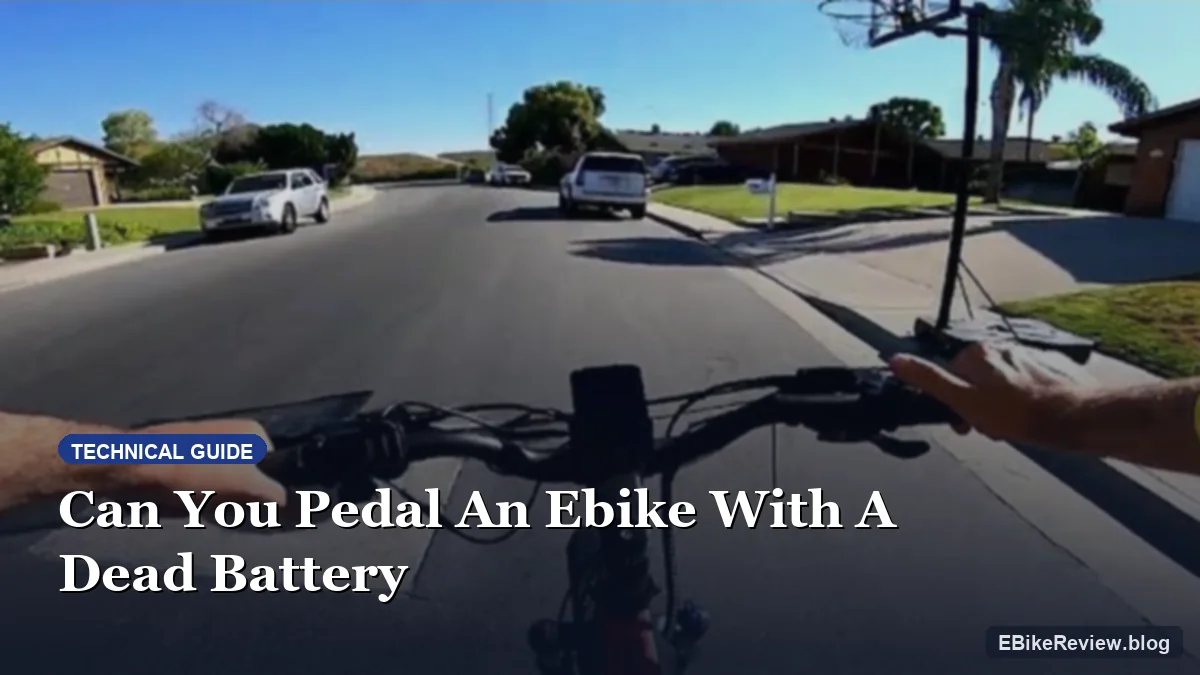
Yes, you can always pedal an electric bike when the power fails completely. Expect significantly higher mechanical resistance from the heavy motor system.
Looking for matching picks? See our Best Pedals For Commuting: Top Picks for Daily Riders.
Practical Quick-Reference Table
| Scenario / Metric | Recommended Target | Why It Matters |
|---|---|---|
| Total Bike Weight | 55 to 75 pounds | Demands higher leg torque during unassisted climbs. |
| Drivetrain Efficiency | Clean, lubricated chain | Reduces friction when pedaling without motor power. |
| Cadence Range | 60 to 75 RPM | Prevents premature exhaustion during long return trips. |
| Gear Selection | Easiest climbing gear | Lowers initial breakaway resistance from a dead stop. |
| Tire Pressure | Maximum psi rating | Minimizes rolling resistance on paved surfaces. |
| Brake Clearance | Zero rotor rub | Eliminates unwanted drag on unpowered wheel rotation. |
Mechanics of Unpowered Ebike Propulsion
Electric bikes are fundamentally bicycles equipped with heavy motors and batteries. When your power pack drops to zero, standard mechanical pedals still drive the rear wheel directly.
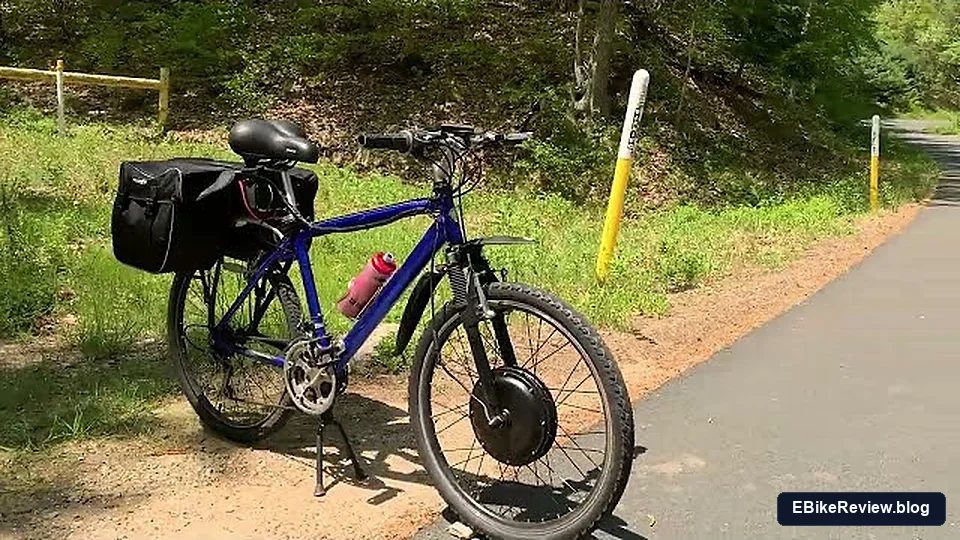
Internal controllers cease functioning once voltage drops, a factor analyzed in our 48v vs 52v ebike battery comparison. You lose all torque assistance, leaving only your physical leg power.
Most modern hub motors and mid-drives feature internal freewheels or clutches. These components prevent the magnets from creating constant drag when you coast or pedal unassisted.
However, older direct-drive hub motors often lack internal freewheeling mechanisms. Pedaling these specific systems feels like riding uphill constantly because magnetic resistance actively fights your forward rotation.
- Standard bicycle chains transfer human pedal force directly to the rear cassette.
- Electrical displays and throttle inputs become completely inactive without battery voltage.
- Internal clutch systems disengage the motor magnets during unpowered pedal strokes.
- Direct-drive configurations require significantly more physical exertion to maintain momentum.
Hub Motor Versus Mid-Drive Resistance
Mid-drive systems route human power through the bicycle chain and gears. This mechanical advantage helps you leverage multiple speeds even when the electrical system remains completely dead.
Rear hub motors isolate propulsion directly to the back wheel axle. Your pedaling force must overcome both bicycle weight and any residual magnetic drag inside the hub shell.
- Mid-drives utilize your bicycle gearing for easier unpowered climbing.
- Hub motors add unsprung weight directly to the rear wheel assembly.
Drivetrain Drag and Motor Resistance Factors
Overcoming internal mechanical friction is the primary challenge when your battery dies. Sealed bearings, planetary gear sets, and heavy chains add substantial resistance to every rotation.
Geared hub motors contain small internal nylon gear reductions. Evaluating designs via a throttle vs pedal assist ebike guide reveals how these components minimize mechanical drag during unpowered pedaling.
Chain cleanliness plays a massive role in unpowered efficiency. A dry or gunked-up chain introduces parasitic drag that drains your remaining leg energy very quickly on long rides.
Checking your bottom bracket smoothness ensures no mechanical binding is worsening your fatigue. Worn bearings create grinding sensations that make unassisted pedaling noticeably more difficult.
- Geared hub designs feature internal planetary gear sets with minimal drag.
- Lubricate your chain regularly to preserve efficiency during unexpected power losses.
- Inspect bottom bracket bearings for signs of premature wear or binding.
- Remove any accumulated debris around the motor housing and crank arms.
Evaluating Planetary Gear Friction
Planetary gears inside modern hub motors use small clutches to disengage. This engineering prevents the heavy magnets from creating heavy resistance during unpowered transit.
Understanding your specific motor type helps you gauge expected physical effort. Always verify whether your hub uses a direct-drive or internal freewheel architecture.
- Clutch engagement prevents backward magnetic drag during coasting.
- Direct-drive units lack clutches, resulting in constant magnetic resistance.
Video Walkthrough: E-bike Without Battery | Can I Ride it Without the Battery | 73 lbs | Aventon Aventure Electric Bike
Managing Gear Ratios Without Electrical Assist
Shifting into an easier gear is your best strategy when starting from a dead stop. Heavy frames require immense torque to get rolling without motor assistance.
Attempting to launch in a high gear with a dead battery strains your knees. Drop down into your lowest climbing gear before resuming your pedal cadence.
Derailleur alignment becomes critical when pedaling under high human load. A misaligned hanger can cause dropped chains, leaving you stranded with a heavy, unmovable frame.
Utilize the full range of your cassette to maintain a steady cadence. Avoid mashing heavy gears, which rapidly depletes your glycogen stores and causes muscle cramping.
- Shift down into easy climbing gears before coming to complete stops.
- Avoid high-gear starts to protect your knees from excessive mechanical strain.
- Inspect derailleur alignment to prevent dropped chains under heavy load.
- Maintain a smooth, spinning cadence rather than aggressive pedal mashing.
Executing Smooth Unpowered Launches
Standing out of the saddle helps generate the necessary torque for heavy frames. Shift your weight forward to maintain steering control while pushing down hard.
Once momentum is established, sit back down and spin smoothly. Maintaining steady forward velocity requires far less energy than repeated stop-and-start acceleration.
- Stand briefly on the pedals to initiate momentum from a complete stop.
- Shift body weight forward to maintain stable front-wheel traction.
Frame Geometry and Weight Penalties on Climbs
Electric bicycles often weigh twice as much as traditional non-motorized bicycles. This extra mass transforms gentle inclines into formidable physical challenges when your battery fails.
Reinforced aluminum or carbon frames absorb your pedaling energy slightly differently. The added heft requires you to pace yourself carefully on every uphill road section.
Gravity constantly pulls your heavy machine downward on steep ascents. Momentum management and efficient pacing are your primary tools for conquering climbs without power.
Consider taking switchbacks wider to reduce the steepness of the gradient. Gradual climbing angles preserve your leg strength and prevent total exhaustion on long routes.
- Expect total bicycle weights to range between fifty and eighty pounds.
- Gravity magnifies the penalty of heavy frames on steep uphill climbs.
- Take wider lines on switchbacks to soften the effective gradient angle.
- Pace your efforts conservatively to avoid burning out mid-climb.
Navigating Descends Safely Without Power
Descending with a dead battery requires managing heavier momentum, especially when carrying equipment heavier than a standard 48 vs 52 volt ebike battery pack. Hydraulic disc brakes must work harder to scrub speed safely.
Avoid dragging your brakes continuously during long descents down winding hills. Modulate your braking pressure to prevent dangerous rotor overheating and sudden brake fade.
- Heavier frames build up surprising momentum on downhill road sections.
- Modulate hydraulic brakes carefully to prevent dangerous rotor overheating.
Cadence Optimization During Depleted Battery Rides
Maintaining a consistent cadence keeps your cardiovascular system operating efficiently. Spinning your legs faster with lower resistance beats grinding heavy gears every single time.
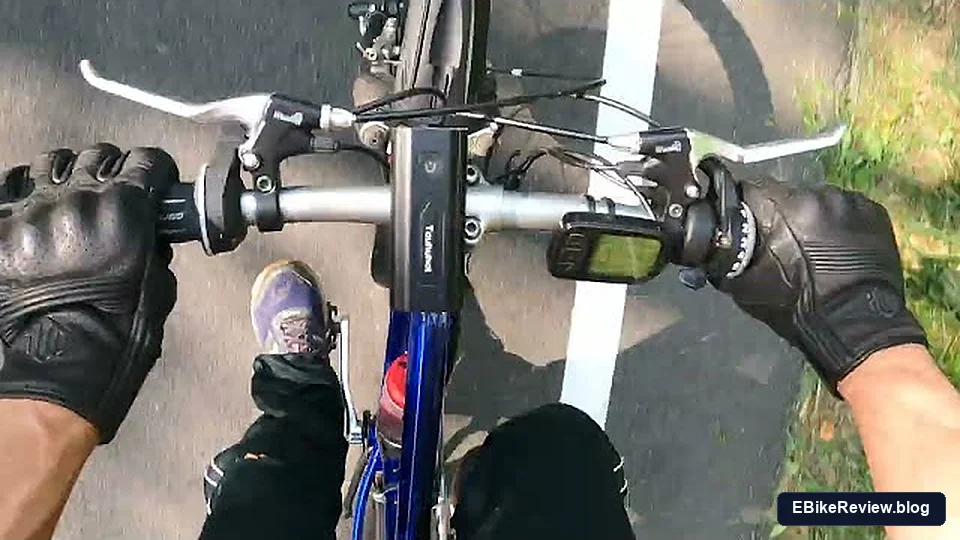
Target a cadence between sixty and seventy-five revolutions per minute. Testing scenarios using our ebike range calculator tool shows how this range maximizes muscular endurance across pavement.
Monitor your breathing closely to ensure you are not over-exerting yourself. Taking breaks before total exhaustion sets in keeps your emergency ride manageable and safe.
Avoid erratic pedaling patterns that waste precious physical energy. Smooth circular pedal strokes reduce dead spots and keep your heavy frame rolling forward consistently.
- Aim for a steady cadence between 60 and 75 RPM on flats.
- Prioritize high-rpm spinning over low-rpm muscle grinding.
- Monitor your breathing to prevent sudden cardiovascular exhaustion.
- Execute smooth circular pedal strokes to eliminate dead spots.
Combating Muscle Fatigue on Long Returns
Break your journey home into manageable distance milestones. Knowing you only have two miles left to the next landmark boosts mental resilience significantly.
Hydrate frequently even if you feel less thirsty than usual. Physical exertion on an unpowered ebike burns through glycogen stores much faster than expected.
- Divide your return journey into short, achievable distance goals.
- Drink water regularly to prevent cramping during extended pedaling.
Video Walkthrough: How Does An E-Bike Ride Without The Battery? | Battery Vs No Battery
Preserving Momentum and Reducing Stop-Start Fatigue
Conserving your forward momentum is crucial when riding a heavy electric bicycle. Anticipate traffic lights and stop signs early to avoid coming to complete halts.
Slow down gradually well in advance of intersections where possible. Maintaining a slow rolling speed requires a fraction of the energy needed for full restarts.
Look far down the road to read traffic patterns and pedestrian movements. Smooth defensive riding lets you glide past obstacles without wasting precious leg power.
Avoid unnecessary steering corrections that scrub your forward speed. Keeping your steering line straight and true preserves every ounce of your hard-earned momentum.
- Anticipate intersections early to avoid complete stops whenever possible.
- Maintain a slow rolling momentum to ease future pedal acceleration.
- Scan far ahead in traffic to plan smooth, efficient riding lines.
- Keep your steering line steady to minimize speed-scrubbing friction.
Defensive Riding Strategies for Heavy Bikes
Heavier electric bikes require longer stopping distances and slower cornering speeds. Give yourself extra space from vehicles and pedestrians during unpowered commutes.
Position your bike prominently in the lane to discourage unsafe passing. Safety remains paramount when you are moving slower due to a dead battery.
- Allow extended stopping distances due to your heavier overall bike mass.
- Claim your lane position clearly to ensure visibility to motorists.
Post-Ride Battery Maintenance and Emergency Checks
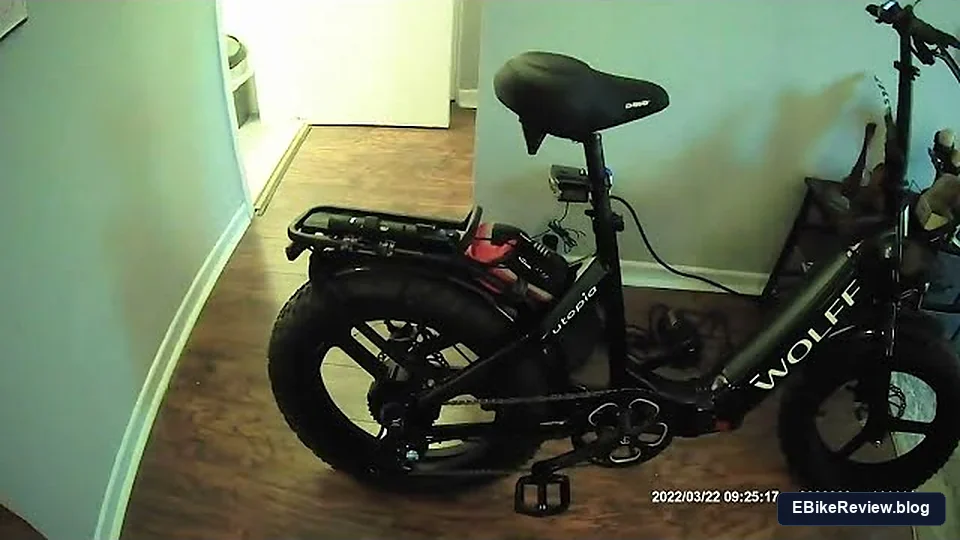
Once you finally arrive home safely, inspect your electrical charging port immediately. Ensure no moisture or dirt entered the exposed terminals during your unpowered journey.
Allow your battery pack to rest and cool down before plugging it in. Charging a completely depleted lithium battery requires stable room temperatures for optimal safety.
Inspect your tire pressure with a reliable floor pump right away. Low pressure combined with a heavy frame increases your risk of pinch flats significantly.
Wipe down your drivetrain and frame to remove any road grime accumulated. Regular maintenance ensures your ebike remains ready for your next daily commuting adventure.
- Inspect charging ports for moisture or debris after rainy rides.
- Allow fully depleted battery packs to cool before initiating recharge cycles.
- Check tire pressures immediately to prevent future pinch flats.
- Clean your chain and frame to maintain long-term mechanical reliability.
Assessing Battery Health After Deep Discharges
Deeply discharging lithium-ion battery packs can trigger internal protection circuits. Monitor the charging indicator lights closely when you plug the unit back into wall power.
If your charger fails to initiate a charge cycle, consult a professional. Never attempt to force voltage into a damaged or unresponsive lithium power cell.
- Deep discharges may activate internal battery management safety circuits.
- Consult qualified technicians if your charger fails to recognize the pack.
Frequently Asked Questions
Is it bad for the motor to pedal an ebike with a dead battery?
Pedaling with a dead battery will not damage most modern electric bike motors. Internal freewheels and clutches seamlessly disconnect the magnetic resistance during unpowered rides.
How much harder is it to pedal an ebike without power?
Expect significantly higher physical resistance because your legs must propel a fifty to eighty-pound frame. Using your lowest climbing gears makes the extra weight manageable.
Will all ebikes allow me to pedal home if the power fails?
Yes, every electric bicycle retains a functional mechanical drivetrain. Older direct-drive hub motors create more resistance, but you can still turn the pedals to move.
Should I remove the heavy battery to make pedaling easier?
Removing the battery pack saves several pounds of dead weight. This minor reduction can noticeably ease your physical effort when tackling long uphill climbs.
Can I charge my ebike battery simply by pedaling hard?
Standard ebikes cannot regenerate power into the battery through unpowered pedaling. Specialized regenerative braking systems exist on rare models, but normal hub motors lack this capability.