Can You Leave An Electric Bike In The Rain Safely
Leaving your commuter ride outdoors during storms poses hidden risks. Modern riders must understand precise water resistance limits to prevent electrical failure.

Can you leave an electric bike in the rain? Never store them fully exposed for extended periods. Moisture inevitably bypasses rubber seals over time.
Looking for matching picks? See our Best Electric Bike: Top Commuter Picks for 2026.
Practical Quick-Reference Table
| Scenario / Metric | Recommended Target | Why It Matters |
|---|---|---|
| Outdoor Parking Duration | Under 2 hours maximum | Minimizes seal degradation risks |
| Minimum IP Rating | IP65 certified | Protects against low pressure jets |
| Battery Storage | Indoor room temperature | Preserves cell health and longevity |
| Fastener Protection | Anti-seize compound | Prevents galvanic corrosion reactions |
| Display Protection | Silicone stretch cover | Prevents button membrane failure |
| Post-Rain Action | Indoor air drying | Eliminates trapped internal condensation |
Understanding Electrical Enclosure Ratings And Waterproof Limits
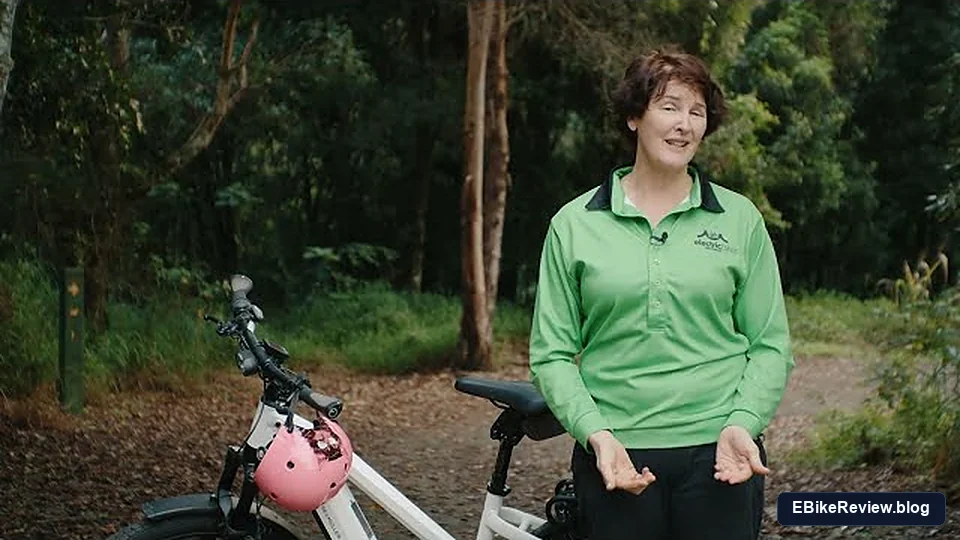
Water resistance on modern electric bikes relies on specific engineering standards. When evaluating rugged utility models like the best electric hunting bike for the money, manufacturers rate electronic components using Ingress Protection codes for safety.
Most quality commuter models achieve an IPX5 or IPX6 rating for core electronics. This means components withstand low pressure water jets, but total submersion or prolonged pooling remains dangerous.
Rubber gaskets and silicone seals degrade gradually under direct ultraviolet light exposure. Once these protective barriers crack, rainwater penetrates housing units and corrodes sensitive internal circuit boards rapidly.
Recognizing your specific component rating prevents catastrophic short circuits during unexpected autumn storms. Always check user manuals for exact manufacturer specifications regarding wet weather exposure limits.
- Verify component IP ratings before heavy storm exposure.
- Inspect rubber gaskets annually for structural degradation.
- Avoid high pressure washers that force moisture past seals.
- Park under protective overhangs whenever leaving bikes outside.
Decoding IP Code Standards
The first digit designates solid particle protection while the second covers liquids. An IP65 rating indicates complete dust tightness alongside protection against low pressure water jets from all directions.
Lower ratings like IPX4 only handle splashing water from random angles. Commuters must never assume basic splash resistance equals genuine waterproof structural integrity during heavy rainfall.
- Look for IP65 or higher for all primary electronics.
- Understand that IPX4 offers minimal storm protection.
- Prioritize sealed connectors over standard push fit plugs.
Battery Terminal Protection And Moisture Ingress Prevention
Lithium ion battery packs represent the most expensive electrical component on any build, even on a typical best budget electric bike. Allowing rain to pool around charging ports introduces severe short circuit hazards.
Modern battery cradles feature spring loaded drain holes designed to expel accidental moisture. However, trapped water mixed with road salt creates a highly conductive electrolyte solution.
Always secure the protective rubber flap over your charging port securely. Leaving this tiny barrier open during a downpour invites moisture straight into the expensive battery management system.
Removing the battery pack during prolonged outdoor parking eliminates major electrical risks. Store the power source indoors at room temperature to preserve overall cell longevity and safety.
- Always latch the rubber charging port cover tightly.
- Remove battery packs when parking outside for hours.
- Clean corrosion off terminals using isopropyl alcohol wipes.
- Apply dielectric grease to metal contact points regularly.
Video Walkthrough: Can You Ride an E-bike in the RAIN?
Controller And Wiring Harness Vulnerabilities During Downpours

The electronic controller acts as the central brain managing power delivery while you track your efficiency via our e-bike range calculator. Controllers mounted inside the frame triangle face hidden water accumulation risks.
Wiring harnesses utilize molded plastic connectors wrapped in heat shrink tubing. Despite these defenses, wind driven rain forces moisture deep into junction points, triggering intermittent throttle errors and erratic behavior.
Securing wire loops downward prevents water from tracking along cables directly into housing units. Always route vulnerable throttle and display lines with downward facing service loops to encourage drainage.
Inspecting your primary wiring harness after major storms prevents hidden corrosion from destroying internal copper strands. Catching green oxidation early saves you from expensive controller replacement bills later.
- Mount controllers away from direct wheel spray zones.
- Use downward service loops on all incoming cables.
- Wrap exposed junction connectors with self fusing silicone tape.
- Check controller housing seals after major seasonal downpours.
Frame Corrosion Risks And Fastener Oxidation Mitigation
Aluminum and steel frames react differently when subjected to prolonged outdoor moisture. Steel components develop rust blooms rapidly on unpainted contact points, compromising structural integrity over extended periods.
Aluminum forms a protective oxide layer, but galvanic corrosion still occurs where dissimilar metals touch. Stainless steel bolts threaded directly into aluminum frame bosses form destructive electrochemical reactions.
Applying anti seize compound to all threaded fasteners prevents galvanic welding during wet seasons. Regularly wiping down frame tubes with a microfiber cloth removes corrosive road grime and debris.
Storing wet bicycles in humid garages accelerates oxidation processes across unpainted hardware components. Ensure adequate airflow around stored equipment using oscillating fans or dehumidifiers in damp spaces.
- Apply anti seize paste to all frame bolts.
- Wipe down metal surfaces after riding in rain.
- Inspect welded joints for bubbling paint or rust.
- Keep spare fasteners coated in protective machine oil.
Display Screen Sealing And Button Membrane Integrity
Handlebars host sensitive LCD or OLED display units exposed to direct overhead precipitation. The elastomeric button membranes protecting internal electronics frequently crack under continuous ultraviolet radiation and moisture stress.
Water pooling behind display screens ruins liquid crystal panels and causes ghost inputs. Riders often experience unexpected motor engagement when moisture shorts out integrated control pad tactile switches.
Using a breathable silicone cover during parking shields delicate displays from driving rain. Never use heavy plastic bags that trap condensation and worsen internal moisture accumulation around circuit boards.
If moisture enters your display unit, immediately power down the system entirely. Remove the device from its handlebar mount and place it inside a container filled with dry rice.
- Install breathable silicone covers for outdoor parking.
- Power down electronics immediately if moisture breaches seals.
- Avoid wrapping displays tightly in nonporous plastic bags.
- Check button tactile click response after heavy storms.
Video Walkthrough: Introduction
Proper Storage Practices For Wet Weather Conditions
Finding an ideal storage location protects your investment from severe weather degradation. Covered porches, sheds, or garages provide essential overhead shelter while maintaining necessary airflow around components.
Avoid parking your machine directly against damp exterior brick walls that retain moisture. Maintain at least six inches of clearance between stored equipment and surrounding damp structural surfaces.
Utilizing a specialized waterproof bicycle cover prevents direct precipitation contact while riding out storms. Ensure the cover features bottom drawstrings and ventilation vents to prevent severe interior condensation buildup.
Never leave lithium powered machinery outside in freezing rain or sub-zero temperatures. Extreme cold combined with high moisture levels causes permanent battery capacity loss and internal cell degradation.
- Use ventilated waterproof covers for outdoor storage.
- Maintain clearance from damp exterior building walls.
- Bring battery packs indoors during freezing rain events.
- Elevate tires off damp ground using rubber mats.
Post Rain Inspection And Safe Drying Procedures
Conducting a structured post storm inspection catches electrical issues before they worsen. Begin by wiping down all frame tubes and electrical connection points using a clean microfiber cloth.
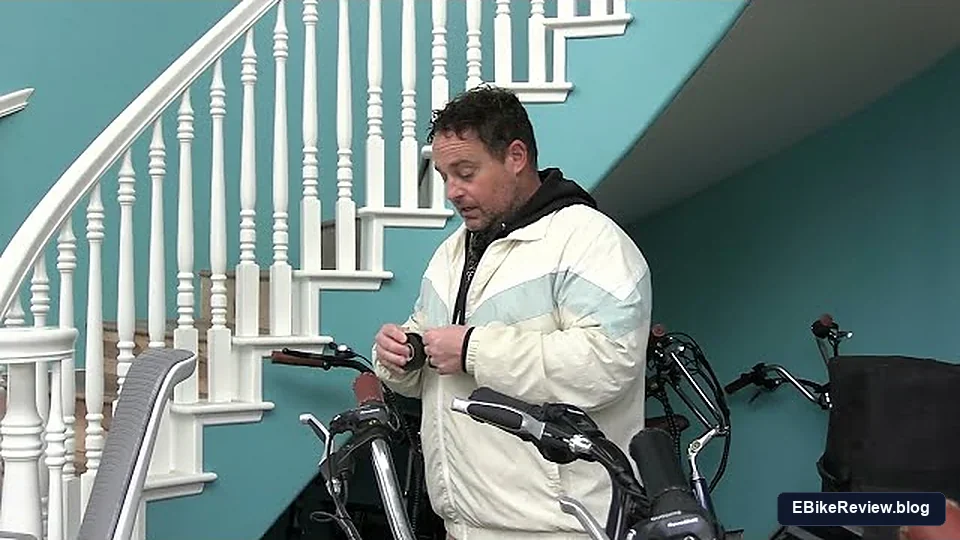
Test your throttle, pedal assist sensors, and brake motor cutoffs while stationary. Listen carefully for unusual electronic buzzing or erratic display behavior indicating trapped moisture inside housings.
Never use high pressure air compressors or heat guns to dry sensitive electronics. Excessive heat melts delicate plastic housings while compressed air forces moisture deeper into sealed component junctions.
Allow the bicycle to air dry completely in a well ventilated indoor space. Following proper maintenance habits ensures that any best electric bike choice remains reliable through challenging autumn and winter conditions.
- Wipe down all frame tubes with microfiber cloths.
- Test electronic cutoffs before hitting the road.
- Avoid high heat guns or compressed air drying.
- Store indoors until all surface moisture evaporates completely.
Frequently Asked Questions
Can you leave an electric bike in the rain overnight?
Never leave your commuter outdoors in heavy downpours overnight. Continuous moisture exposure overwhelms rubber seals and triggers expensive electrical failures.
What happens if water gets inside the battery port?
Trapped water creates a conductive bridge across electrical contacts. This causes rapid terminal corrosion, fuse blowouts, or permanent battery management system failure.
Are electric bike motors completely waterproof?
Hub and mid-drive motors feature weather resistant seals rather than true waterproof barriers. Submerging them or using pressure washers forces water past internal bearings.
How do I dry out a wet electric bike display?
Power down the system immediately and remove the unit from the handlebars. Wipe exterior surfaces and let it air dry indoors completely before reconnecting.
Can I ride my electric bike through deep puddles?
Avoid riding through deep water that reaches your wheel hubs. Submerging bottom bracket sensors and hub motors bypasses weather seals and ruins internal electronics.