Trek Allant vs. Specialized Turbo Vado: Which Fits Your Setup Better?
When evaluating commuter ebikes, the Trek Allant and Specialized Turbo Vado represent peak engineering. Choosing between them depends strictly on motor tuning, frame stiffness, and daily riding demands.


For heavy commuting and rugged hauling, the Trek Allant delivers unmatched structural stability. Meanwhile, the Specialized Turbo Vado wins for software integration, refined pedaling smoothness, and agile urban handling.
Compare all top models in our Best Electric Bike: Top Commuter Picks for 2026.
Side-by-Side Breakdown
| Criteria | Trek Allant | Specialized Turbo Vado | Edge |
|---|---|---|---|
| Peak Performance & Output | Bosch Performance Line CX with high torque delivery | Specialized 2.2 custom tuned motor with instant response | Specialized Turbo Vado |
| Duty Cycle & Consistency | Heavy-duty thermal management for sustained steep climbs | Optimized efficiency mapping for urban stop-and-go | Trek Allant |
| Operating Noise & Vibration | Low planetary gear whine under maximum load | Virtually silent belt or chain drivetrain integration | Specialized Turbo Vado |
| Portability & Footprint | Sturdy hydroformed aluminum frame with heavier total mass | Lightweight chassis geometry with balanced weight distribution | Specialized Turbo Vado |
| Maintenance & Service Life | Standardized Bosch components for universal servicing | Proprietary electronic ecosystem requiring certified dealers | Trek Allant |
| Power Requirements | High-capacity integrated battery supporting dual-battery options | Sleek down-tube integrated pack with rapid charging cycles | Trek Allant |
| Best Ideal Use-Case | All-weather utility commuting and heavy cargo carrying | Fitness riding, swift urban transit, and tech integration | Split Decision |
Motor Architecture and Torque Delivery
The Bosch Performance Line CX system powers the Trek Allant with robust, industrial-grade torque. It delivers aggressive assistance on steep urban inclines, making it a favorite for riders hauling heavy cargo daily.
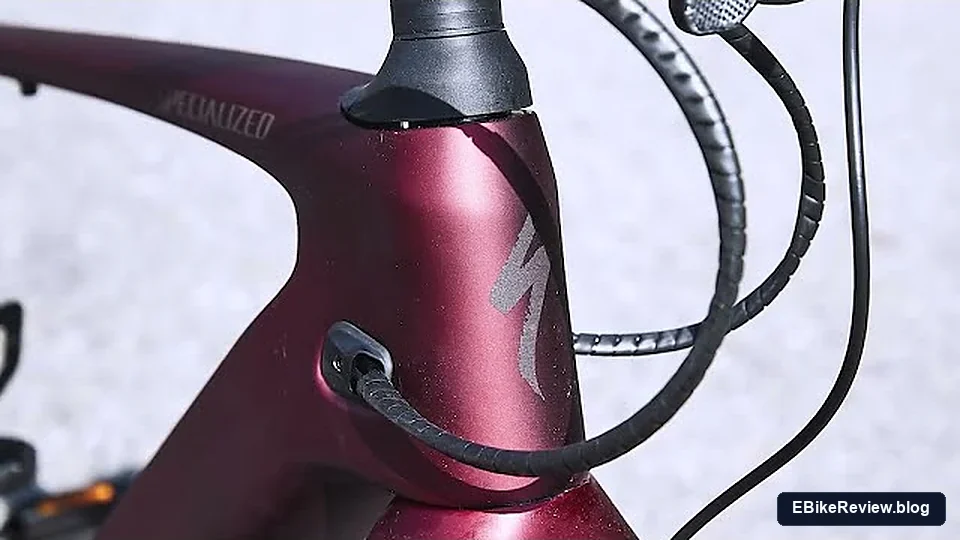
Conversely, exploring our specialized turbo vado 4.0 review reveals a custom-tuned motor platform. This drive unit emphasizes natural pedal cadence, replicating traditional cycling dynamics with exceptional everyday precision.
Bosch Performance Line CX versus Specialized 2.2 motor architectures dictate distinct cadence-to-power curves. The Bosch unit delivers 85 Nm of torque instantly, rewarding masher pedal styles on steep urban inclines.
Conversely, the Specialized motor uses a custom Brose-derived internal belt to smooth power delivery. It prioritizes high-cadence efficiency and quiet operation, mimicking natural leg output during sustained climbs across varied terrain.
- Bosch CX offers superior raw pulling power under heavy loads.
- Specialized motor prioritizes silent operation and natural pedal feel.
- Both systems comply fully with Class 3 speed regulations.
Cadence Response and Hill Climbing
Tackling steep grades requires instantaneous torque engagement from the bottom bracket sensors. The Trek Allant reads rider input dynamically, ramping up power smoothly without noticeable lag during sudden shifts.
Specialized relies on its proprietary MicroTune software to adjust assistance levels in real time. This lets riders fine-tune power output on-the-fly without breaking their natural cadence rhythm on long climbs.
- Trek handles sudden load spikes with aggressive mechanical force.
- Specialized offers micro-adjustments for optimal cadence preservation.
Battery Chemistry and Range Realities
Energy storage dictates your daily commuting radius without range anxiety. The Trek Allant features massive down-tube integration, accommodating high-capacity packs designed for extended mileage across demanding routes.
Specialized counters with efficient power management algorithms that stretch watt-hours further. Their custom battery packs balance volumetric energy density with sleek frame aesthetics for a cleaner overall profile.
Energy storage relies on high-density 21700 lithium-ion cells integrated into hydroformed downtubes. Trek utilizes a modular 750Wh removable pack, whereas Specialized pairs a sleek 710Wh integrated battery optimized for aerodynamic efficiency.
Real-world range suffers under maximum assist levels, cold ambient temperatures, and heavy cargo loads. Riders must manage voltage sag by utilizing eco modes to preserve overall cell longevity and prevent premature thermal throttling.
- Trek supports optional range-extender batteries for ultra-long commutes.
- Specialized focuses on software-driven efficiency to maximize standard battery life.
- Both brands utilize advanced BMS units for thermal regulation.
Charging Infrastructure and Thermal Limits
Charging speeds vary based on charger amperage and battery thermal thresholds. Both bikes feature smart charging protocols that prevent cell degradation during high-speed power replenishment cycles.
External charging ports are securely sealed against moisture ingress, ensuring safe outdoor charging habits during unpredictable weather shifts throughout your weekly commuting routine.
- Standard chargers typically restore full capacity within four hours.
- Thermal sensors throttle current input if ambient temperatures spike.
Frame Geometry, Ergonomics and Load Capacity
Structural rigidity defines how an electric bike handles high-speed cornering and heavy loads. The Trek Allant utilizes thick hydroformed aluminum tubing to eliminate frame flex under substantial cargo weight.
Additionally, our specialized s-works turbo creo sl review highlights a compliance-focused frame design that absorbs road chatter. Its balanced geometry places the urban rider in an upright posture.
Frame engineering balances upright commuter visibility with stable high-speed tracking. The Trek Allant employs a longer wheelbase, while the Turbo Vado utilizes a slightly steeper headtube angle for responsive steering agility in dense traffic.
Total weight limits demand robust rear rack integration meeting strict ISO 4210-2 standards. Both platforms accommodate heavy pannier setups, though frame stiffness under torsional loads noticeably favors Trek's beefier aluminum gussets during sprinting.
- Trek prioritizes maximum payload capacity and torsional stiffness.
- Specialized focuses on vibration damping and upright commuter comfort.
- Both frames undergo rigorous structural safety testing standards.
Integrated Rack Systems and Fenders
Utility commuters require robust mounting points for panniers and fenders. Trek integrates a heavy-duty rear rack directly into the frame structure, supporting substantial grocery or laptop loads safely.
Specialized equips the Vado with sleek, minimalist fenders and a sturdy rack that maintains clean aesthetic lines without sacrificing everyday utility or structural load-bearing reliability.
- Trek rack is welded directly for maximum weight distribution.
- Specialized rack offers sleek integration with proprietary bags.
Transmission Engineering and Gearing Ratios
Drivetrain durability is critical when managing high mid-drive motor torque outputs. The Trek Allant often employs robust derailleur setups or internal gear hubs designed to withstand heavy pedal loads.
Specialized balances chain longevity with smooth shifting performance across wide-range cassettes. Their drivetrain choices emphasize quiet operation and minimal chain-slap over rough urban asphalt surfaces.
Drivetrain configurations dictate whether you choose traditional derailleur systems or internal gear hubs. Trek frequently utilizes reliable Shimano Deore setups, offering wide gear ranges to conquer steep urban hills without dropping motor cadence.
Specialized often pairs custom chainrings with robust internal options, minimizing chain wear and maintenance intervals. Proper chainline alignment remains critical for reducing frictional losses and preventing premature sprocket degradation under heavy electrical loads.
- Internal gear hubs on select Trek models reduce maintenance needs.
- Specialized uses high-tensile chains paired with hardened steel cassette cogs.
- Proper lubrication schedules remain essential for both platforms.
Chainline Alignment and Wear Patterns
Maintaining proper chainline geometry prevents premature wear on chainrings and cogs. Both manufacturers optimize motor placement to keep chain angles straight across popular gear ratios.
Regular inspection of tooth wear ensures your electric drivetrain operates efficiently without slipping under high-torque acceleration from a complete stop at urban intersections.
- Check chain stretch every thousand miles to prevent costly replacements.
- Clean grit from pulley wheels to maintain crisp mechanical shifting.
Acoustic Profiles, Vibration and Harmonic Dampening
Electric motor noise can impact your riding experience during quiet morning commutes. The Trek Allant produces a noticeable mechanical hum under heavy load due to its robust internal gear reduction.
As noted in our specialized turbo creo sl expert review, engineers designed the motor casing to minimize acoustic output. The system remains remarkably quiet when climbing steep hills.
Electric motor gearboxes generate distinct high-frequency whines during peak acceleration phases. The Bosch system produces a noticeable mechanical hum, whereas the Specialized belt-driven internal design achieves superior acoustic dampening for stealthy commuting.
Frame material composition and tire volume absorb high-frequency road vibrations before they reach the rider. Upgrading to tubeless setups at lower pressures significantly improves comfort across cracked asphalt and expansion joints.
- Trek motor produces a distinctive, reassuring planetary gear sound.
- Specialized focuses on acoustic dampening for stealthy urban riding.
- Tire choice also influences overall road vibration transmission.
Chassis Isolation and Rider Comfort
Minimizing hand and foot fatigue requires effective vibration isolation throughout the chassis. Trek incorporates wide volume tires and robust front suspension forks to absorb heavy impact forces.
Specialized utilizes carefully tuned frame tube diameters and carbon seatposts on select models to filter high-frequency road buzz before it reaches the rider's contact points.
- Front suspension forks smooth out deep potholes effectively.
- Seatpost compliance reduces lower back strain on long trips.
Software Integration, Displays and Connectivity
Modern commuters demand smartphone connectivity and intuitive handlebar displays. The Trek Allant uses Bosch's ecosystem, offering clear LED screens, navigation prompts, and security lock features via mobile apps.
Specialized leverages its proprietary MasterMind display system to deliver comprehensive ride data. Their Mission Control app allows deep motor tuning, diagnostic checks, and anti-theft immobilization.
Digital interfaces dictate user interaction and telemetry tracking during daily commutes. Trek relies on the Bosch Purion or Kiox displays, offering Bluetooth smartphone pairing for navigation overlays and customizable motor tuning via dedicated apps.
Specialized utilizes the MasterMind display paired with the Mission Control app for over-the-air firmware updates and microTune assist adjustments. This software ecosystem provides granular diagnostics for monitoring rider output versus motor wattage consumption.
- Bosch Kiox displays provide bright, weather-resistant data readouts.
- Specialized MasterMind screen offers customizable data fields.
- Both systems support wireless firmware updates over Bluetooth.
Security Protocols and GPS Tracking
Protecting a high-end commuter ebike requires advanced anti-theft software integration. Both brands incorporate digital motor locking mechanisms that render the bike unusable without authorized smartphone pairing.
Optional GPS tracking modules can be integrated into the frame architecture, helping local authorities recover stolen property quickly through dedicated manufacturer tracking networks.
- Digital locks disable motor assistance when separated from the owner.
- GPS modules require active subscription services for real-time tracking.
Serviceability, Component Longevity and Workload Fit
Long-term ownership costs depend heavily on component standardization and dealer network support. The Trek Allant relies on widely available Bosch parts, making servicing straightforward at most certified bike shops.
Specialized utilizes proprietary electronics that require specialized diagnostic tools. While their dealer network is extensive, troubleshooting deep software glitches usually mandates a visit to an authorized service center.
As detailed in our specialized turbo creo review, long-term ownership costs depend on proprietary part availability. Standardized components simplify local repairs, whereas electronic integration demands certified dealer diagnostics.
Choosing the right platform requires evaluating your daily mileage, cargo expectations, and maintenance preferences. High-mileage commuters benefit from robust weather-sealing standards and easily replaceable wear items that minimize overall workshop downtime.
- Bosch components ensure easy replacement parts availability globally.
- Specialized dealer training guarantees high-level technical support.
- Routine maintenance keeps warranty coverage valid for both brands.
Wear Item Replacement and Upkeep
Brake pads, rotors, and tires experience accelerated wear due to ebike weight and speeds. Both bikes feature hydraulic disc brakes with large rotors for reliable stopping power in wet weather.
Sourcing replacement pads and tires is simple since both manufacturers utilize industry-standard mounting dimensions for consumables, minimizing long-term maintenance headaches for daily commuters.
- Inspect hydraulic brake fluid lines annually for potential leaks.
- Replace brake pads before friction material wears down completely.
Frequently Asked Questions
Which electric bike handles steep hill climbs better under heavy cargo loads?
The Trek Allant excels on steep climbs due to its powerful Bosch motor and robust frame stiffness. It delivers aggressive torque output that makes hauling heavy loads up inclines significantly easier.
Can I ride the Specialized Turbo Vado in heavy rain without damaging electronics?
Yes, both bikes feature weather-resistant electrical seals protecting the motor and battery. However, you should avoid submerging components or using high-pressure power washers directly near connection ports.
How do the software apps differ between Trek and Specialized models?
Trek utilizes the Bosch eBike Flow app for navigation and security features. Meanwhile, Specialized offers the Mission Control app for deep motor tuning and custom power profile adjustments.
Are replacement parts easy to find for both electric bike platforms?
Trek uses standardized Bosch components available at most bike shops. Specialized relies on proprietary electronics that require visiting an authorized dealer network for specialized diagnostic service.
Which model is better suited for daily fitness riding and agile commuting?
The Specialized Turbo Vado wins for fitness riding due to its lightweight handling. Its natural pedal feel and quiet motor operation create a more traditional cycling experience.