Specialized Turbo Vado Sl vs. Trek Fx Plus: Which Fits Your Setup Better?
Comparing lightweight urban platforms reveals distinct engineering trade-offs. We evaluate motor efficiency, frame integration, and daily commuter utility.


The Specialized Turbo Vado SL wins for raw performance and refined power delivery. Meanwhile, the Trek FX Plus provides dependable value for everyday urban navigation.
Compare all top models in our Best Electric Bike: Top Commuter Picks for 2026.
Side-by-Side Breakdown
| Criteria | Specialized Turbo Vado Sl | Trek Fx Plus | Edge |
|---|---|---|---|
| Peak Performance & Output | Custom lightweight mid-drive motor | Reliable hub-drive system | Specialized Turbo Vado Sl |
| Duty Cycle & Consistency | Optimized thermal dissipation | Standard commuter duty cycle | Specialized Turbo Vado Sl |
| Operating Noise & Vibration | Whisper-quiet planetary gearing | Low-vibration hub motor | Trek Fx Plus |
| Portability & Footprint | Ultra-lightweight alloy chassis | Standard weight commuter build | Specialized Turbo Vado Sl |
| Maintenance & Service Life | Modular proprietary electronics | Standard off-the-shelf parts | Trek Fx Plus |
| Power Requirements | 320Wh internal battery capacity | 250Wh integrated power setup | Specialized Turbo Vado Sl |
| Best Ideal Use-Case | Fitness riding and fast commutes | Casual neighborhood cruising | Specialized Turbo Vado Sl |
Powertrain Architecture and Motor Tuning
Engineers designed the Specialized Turbo Vado SL around a proprietary mid-drive system. This layout optimizes pedal cadence response while maintaining a remarkably sleek overall frame profile for daily riders.
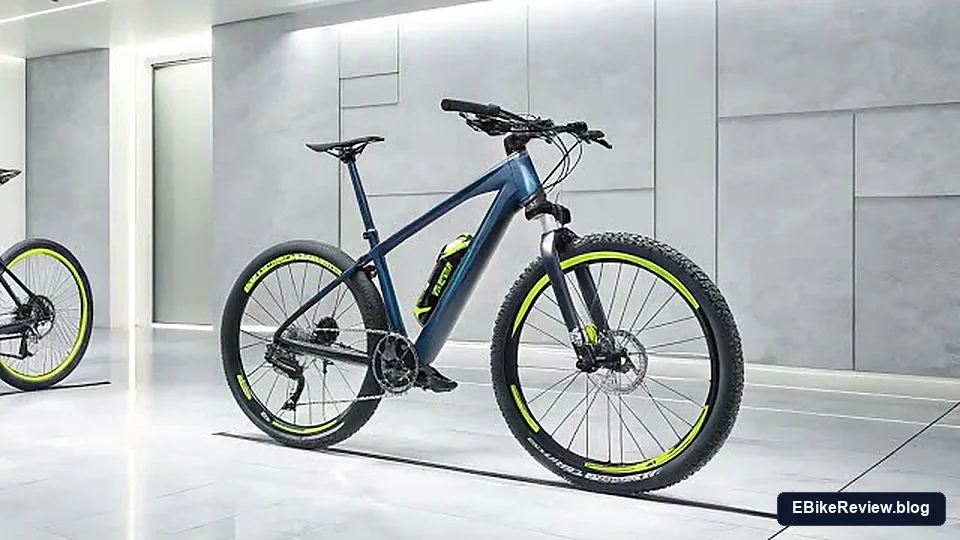
The Trek FX Plus opts for a rear hub motor configuration. Such a design simplifies drivetrain mechanics, reducing immediate wear on your traditional bicycle chain and chainrings over long distances.
Mid-drive systems excel on steep inclines by leveraging your mechanical gears. Hub motors deliver direct rotational force to the rear wheel, offering smooth acceleration on flat city streets.
Our Specialized Turbo Vado 4.0 review details how its proprietary SL 1.1 mid-drive motor delivers 35Nm of torque, tuned for high-cadence pedaling efficiency. Meanwhile, the Trek FX+ relies on a rear-hub motor system.
Engineers designed the Specialized mid-drive to multiply rider input smoothly using dual-side torque sensors, maintaining natural bicycle dynamics. The rear-hub setup on the Trek measures axle rotation, introducing a slight lag before power delivery activates.
Thermal management differs significantly between these two architectures under continuous heavy loads. Mid-drive housings dissipate heat through the frame shell, whereas hub motors trap thermal energy inside the wheel hub during prolonged steep climbs.
- Mid-drive layout provides natural torque sensing.
- Hub motor offers mechanical simplicity for casual upkeep.
- Cadence tuning directly influences battery depletion rates.
Torque Delivery and Sensor Accuracy
Advanced torque sensors measure rider input hundreds of times per second. This ensures instantaneous motor engagement without any noticeable lag during sudden acceleration.
Hub-drive cadence sensors rely on wheel rotation thresholds. While slightly less sophisticated, they provide predictable assistance levels for relaxed urban cycling routines.
- Torque sensors enhance natural riding feel.
- Cadence sensors suit steady-state cruising.
Torque Delivery Mechanics
Cadence thresholds dictate how efficiently each motor system transfers electrical energy into forward momentum. The Specialized unit peaks efficiency above 90 RPM, matching aggressive road cycling cadences without bogging down on steep inclines.
Hub motors operate with fixed internal gear reductions, meaning efficiency drops sharply when wheel speed falls below design parameters. Riders tackling sustained mountain grades will notice higher battery drain on the Trek compared to the Specialized.
All-Weather Environmental Resilience
Riding through unpredictable spring rain requires robust ingress protection ratings. Both manufacturers seal their electronic junction boxes thoroughly against moisture and road spray.
Internal cable routing minimizes exposed electrical connections. This design choice prevents corrosion and maintains reliable shifting performance when humidity levels spike dramatically.
Fender compatibility remains a vital consideration for wet-weather commuters. Integrated mounting points allow for full-coverage fenders that keep road debris off your frame.
Water ingress protection is critical for year-round commuters facing severe downpours and road salt exposure. Both platforms achieve an IPX5 rating, protecting vital electrical circuits against low-pressure water jets from any directional angle.
As noted in our Specialized S Works Turbo Creo Sl review, the brand encapsulates its battery management system within a sealed downtube cavity utilizing heavy-duty gaskets to safely prevent corrosive moisture ingress.
Cable routing strategies further dictate long-term corrosion resistance in wet maritime climates. Internal routing channels with rubber port seals prevent galvanic corrosion at connector pins, ensuring reliable signal transmission through salty winter puddles.
- IP-rated electrical seals prevent water ingress.
- Internal routing protects vital wiring harnesses.
- Fender mounts safeguard against seasonal puddles.
Sealing Standards and Corrosion Control
Electrical connectors feature gold-plated pins to resist oxidation. High-grade polymer housings shield the internal controllers from harsh winter road salts.
Routine maintenance involves inspecting rubber boot seals around charging ports. Keeping these areas clean prevents moisture pooling during heavy downpours.
- Gold-plated pins resist long-term oxidation.
- Rubber seals protect charging ports.
Seal Integrity and Maintenance
Inspecting rubber port seals annually prevents catastrophic moisture damage inside sensitive controller housings. Applying a thin layer of dielectric grease to charging ports creates a hydrophobic barrier against corrosive winter road spray effectively.
Energy Consumption and Power Budgets
Our Specialized Turbo Creo review explains how managing your daily power budget dictates your effective commuting radius. The platform incorporates a larger battery capacity designed for extended riding ranges.
Efficiency depends heavily on chosen assistance levels and terrain profiles. Selecting lower power modes significantly extends your total mileage between mandatory charging sessions.
Smart battery management systems protect cells from deep discharge cycles. This technology preserves overall battery health across hundreds of standard charge cycles.
Watt-hour capacity directly dictates operational range, but actual consumption depends heavily on controller efficiency algorithms. The Specialized features a 320Wh internal battery, while supporting an optional 160Wh range extender for extended weekend touring excursions.
Trek integrates a primary 250Wh battery designed for minimalist urban commuting without excessive dead weight. Managing power output requires balancing assist levels against rolling resistance, wind drag, and total system payload weight on every trip.
Battery chemistry degradation accelerates when operating outside optimal temperature ranges during freezing winter months. Lithium-ion cells experience increased internal resistance, temporarily reducing usable capacity until the pack warms up under load during your commute.
- Larger capacity extends maximum daily range.
- Eco modes conserve battery energy efficiently.
- BMS architecture prevents premature cell degradation.
Battery Chemistry and Thermal Management
Lithium-ion cells require adequate ventilation to prevent overheating during high-output climbs. Aluminum battery enclosures act as thermal sinks to dissipate excess heat effectively.
Cold weather noticeably impacts battery output capacity. Storing your bike indoors preserves optimal operating temperatures for your morning commute.
- Aluminum housings aid thermal dissipation.
- Indoor storage maintains battery efficiency.
Range Optimization Strategies
Maintaining proper tire pressure reduces rolling resistance, preserving precious watt-hours during long urban commutes. Selecting lower assist modes on flat terrain significantly extends total battery endurance across mixed-surface metropolitan cycling routes daily.
Frame Geometry and Ergonomic Layout
Frame geometry dictates your riding posture and overall comfort. An upright position reduces lower back strain, while a forward-leaning stance improves aerodynamic efficiency.
Hydroformed aluminum tubing balances structural rigidity with vertical compliance. This engineering approach absorbs high-frequency road vibrations before they reach your hands.
Customizing cockpit components like stems and handlebars allows for a tailored fit. Proper ergonomics prevent fatigue during extended weekend fitness rides.
As evaluated in our Specialized Turbo Creo Sl Expert review, frame geometry dictates handling characteristics and rider weight distribution across varied surfaces. The Specialized features an aggressive 73-degree seat tube angle for efficiency.
Trek adopts a more upright relaxed endurance geometry with a taller head tube, reducing lower back strain during long rides. This geometry favors visibility in dense traffic but sacrifices aerodynamic efficiency during high-speed descents.
Standover height and wheelbase dimensions influence low-speed maneuverability in tight pedestrian zones and transit stations. Compact wheelbases allow rapid cornering adjustments, whereas longer wheelbases provide superior high-speed tracking stability on open paved multi-use paths.
- Hydroformed tubing absorbs road chatter.
- Upright posture reduces lumbar fatigue.
- Customizable cockpits improve rider comfort.
Vibration Damping and Compliance
Carbon fiber forks on premium builds filter out sharp impacts from cracked pavement. Thicker tire volumes further enhance overall comfort without sacrificing rolling speed.
Seatpost flexibility plays a crucial role in isolating your body from bumps. Selecting a compliant post minimizes saddle soreness on rough commutes.
- Carbon forks filter harsh impacts.
- Seatpost compliance improves comfort.
Touchpoint Customization
Upgrading contact points like grips and saddles improves vibration damping across rough asphalt surfaces significantly. Selecting ergonomic carbon handlebars can further absorb high-frequency road chatter, protecting wrists from fatigue during extended daily riding routines.
Winter Operational Stability and Braking
Hydraulic disc brakes provide consistent stopping power in wet conditions. Rotor thickness and pad compound selection directly influence your emergency braking distances.
Tire tread patterns must channel water away effectively to maintain traction. Lower tire pressures improve contact patch area on slippery winter asphalt surfaces.
Reliable modulation prevents wheel lockup during sudden stops. This precise control is essential when navigating crowded urban thoroughfares in winter.
Cold-weather braking performance relies heavily on pad compound selection and hydraulic fluid viscosity ratings. Both bikes utilize hydraulic disc brakes, but pad contamination from road salt requires frequent cleaning to prevent squealing and power loss.
Mineral oil versus DOT fluid properties dictate lever feel when temperatures drop below freezing point. Mineral oil maintains consistent viscosity in sub-zero environments, whereas degraded fluid can cause spongy lever travel during emergency winter stops.
Tire tread patterns must evacuate slush and standing water effectively to maintain essential contact patch traction. Selecting supple tubeless tires running lower pressures increases mechanical grip on slick metal bridge decks and painted crosswalk lines.
- Hydraulic brakes ensure wet-weather safety.
- Proper tire tread maintains slick traction.
- Precision modulation prevents skidding.
Brake Rotor Thermal Dynamics
Long descents generate significant friction heat within brake rotors. Larger rotor diameters help dissipate thermal energy faster, preventing brake fade during steep drops.
Resin pads offer quiet operation and strong initial bite. Metallic pads last longer in gritty conditions but can produce unwelcome squealing noises.
- Larger rotors reduce brake fade.
- Pad compounds alter stopping behavior.
Rotor and Pad Maintenance
Degreasing rotors with isopropyl alcohol eliminates accumulated road grime that compromises emergency stopping distances. Inspecting pad thickness monthly ensures metal backing plates never score expensive stainless steel rotors during heavy braking cycles.
Component Durability and Maintenance Schedules
Routine inspections keep your electric drivetrain operating smoothly. Checking chain stretch and cassette wear prevents premature damage to expensive components.
Sealed cartridge bearings in hubs and bottom brackets resist dirt intrusion. This mechanical sealing reduces the frequency of comprehensive overhauls.
Keeping a detailed maintenance log helps track replacement intervals. Proactive part swapping avoids unexpected mechanical failures mid-commute.
Drivetrain wear accelerates rapidly when electric motors apply continuous torque loads across standard bicycle chains. The Specialized uses a durable narrow-wide chainring paired with a robust derailleur, designed to resist chain drop under heavy acceleration.
Trek often employs simplified belt-drive or standard derailleur setups requiring routine tension checks and lubrication. Maintaining proper chain tension prevents premature cassette tooth wear and eliminates irritating drivetrain slippage during steep climbs.
Hub bearings and bottom bracket assemblies endure immense radial loads from both rider input and motor torque. Sealed cartridge bearings protect internal races from grit intrusion, though pressure washing can force moisture past protective rubber seals.
- Chain wear checks protect cassettes.
- Sealed bearings extend service intervals.
- Maintenance logs prevent unexpected breakdowns.
Drivetrain Longevity and Lubrication
Applying dry lubricants prevents dust accumulation on your chain links. Wet conditions demand heavier oils that resist being washed away by puddles.
Cleaning your drivetrain weekly removes abrasive grit. This simple habit doubles the operational lifespan of your chain and chainrings.
- Dry lubricants prevent dust buildup.
- Weekly cleaning reduces abrasive wear.
Preventive Inspection Intervals
Establishing a strict cleaning schedule preserves expensive drivetrain components throughout harsh winter riding seasons. Checking spoke tension every six months prevents wheel truing issues caused by heavy motor torque and urban pothole impacts.
Practical Utility and Cargo Integration
Integrated racks expand your commuter utility significantly. Heavy-duty mounting points support pannier bags loaded with groceries or work laptops securely.
Built-in lighting systems draw power directly from the main battery. This eliminates the hassle of charging separate auxiliary lights before every evening ride.
Kickstand placement must accommodate loaded rear racks without tipping. Stable center stands prevent the bike from toppling over on sloped sidewalks.
Urban utility depends on integrated mounting points for panniers, fenders, and high-output safety lighting systems. The Specialized includes custom-designed Mavic-compatible rack mounts supporting heavy grocery loads without flexing under dynamic cornering forces.
Trek focuses on clean aesthetics by integrating proprietary MIK rack systems directly into the rear seatstay structure. While visually streamlined, this design limits cargo bag compatibility to accessories supporting the specific proprietary mounting standard.
Integrated lighting powered directly by the main battery eliminates the hassle of separate USB charging routines. High-lumen headlight positioning illuminates unlit bike paths effectively while ensuring oncoming motorists recognize your presence in low-light conditions.
- Integrated racks support heavy panniers.
- Hardwired lights enhance commuter safety.
- Stable kickstands prevent accidental tipping.
Rack Load Ratings and Stability
Exceeding manufacturer weight limits compromises steering response. Distributing cargo evenly across both panniers maintains predictable handling characteristics.
Securing cargo with elastic bungee cords prevents shifting during transit. Stability ensures your bike tracks straight even when carrying bulky loads.
- Respecting weight limits preserves steering.
- Even cargo distribution aids handling.
Load Distribution Dynamics
Lowering your cargo weight center of gravity maintains predictable steering responsiveness during emergency cornering maneuvers. Distributing pannier weight evenly across both sides prevents unsettling high-speed frame oscillation when navigating rough urban streets.
Frequently Asked Questions
How does motor placement affect handling dynamics?
Mid-drive motors centralize weight for superior balance and natural handling. Conversely, rear hub motors place extra mass at the back wheel, which slightly alters steering responsiveness on tight turns.
What maintenance is required for commuter e-bikes?
Routine upkeep involves cleaning the drivetrain, checking tire pressures weekly, and inspecting hydraulic brake lines. Keeping electrical contacts clean prevents moisture corrosion over extended service periods.
Can these electric bikes handle steep city hills?
Both models climb moderate urban inclines effectively when paired with appropriate gearing. Mid-drive configurations generally offer an advantage on sustained steep grades by leveraging mechanical advantages.
How do weather conditions impact battery range?
Cold winter temperatures temporarily reduce lithium-ion battery capacity and overall output. Storing your bike in a climate-controlled indoor space helps preserve expected mileage ranges.
Are integrated lights powered independently?
Hardwired lighting systems draw energy directly from the main drive battery. This integration removes the need to manage separate rechargeable USB lights for night riding.