Single Speed vs. 7 Speed Ebike: Which Fits Your Setup Better?
Choosing between a direct-drive single-speed layout and a geared 7-speed setup fundamentally changes your daily commuting mechanics, mechanical efficiency, and long-term drivetrain maintenance profile across urban environments.


Urban flatland commuters benefit immensely from the ultimate simplicity of a single speed ebike, whereas hilly terrain riders require the mechanical leverage of a 7 speed ebike.
Compare all top models in our Best Electric Bike: Top Commuter Picks for 2026.
Side-by-Side Breakdown
| Criteria | Single Speed | 7 Speed Ebike | Edge |
|---|---|---|---|
| Peak Performance & Output | Fixed gear ratio limits torque scaling. | Adjustable gear ratios optimize motor assist. | 7 Speed Ebike |
| Duty Cycle & Consistency | Fewer moving parts ensure robust reliability. | Derailleur systems demand periodic indexing. | Single Speed |
| Operating Noise & Vibration | Silent belt or straight-chain operation. | Slight mechanical chain slap on rough roads. | Single Speed |
| Portability & Footprint | Lighter overall chassis with minimal hardware. | Heavier rear cluster adds minor bulk. | Single Speed |
| Maintenance & Service Life | Extremely low upkeep with tension checks. | Regular cable tensioning and cleaning needed. | Single Speed |
| Power Requirements | Relies heavily on motor wattage for hills. | Leverages human cadence to preserve battery. | 7 Speed Ebike |
| Best Ideal Use-Case | Flat urban city commuting and storage. | Hilly terrain and variable route profiles. | 7 Speed Ebike |
Powertrain Mechanics and Mechanical Advantage
The fundamental architectural difference between these two electric bike designs dictates how power transfers from both human pedaling and the onboard hub motor to the rear wheel assembly.
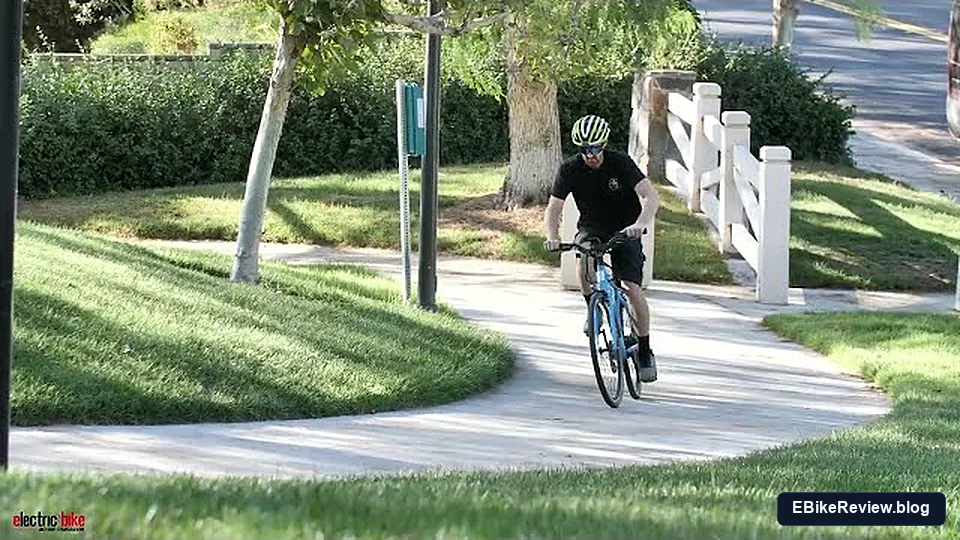
A single speed setup relies on a fixed gear ratio, forcing your legs and motor to handle every incline without mechanical gear reduction assistance during steep climbs.
Conversely, a multi-speed derailleur system incorporates a cassette of seven distinct cogs, allowing riders to maintain an optimal pedaling cadence across shifting topography.
Single-speed electric bikes rely on a fixed chainring-to-cog ratio, typically hovering near 2.8:1 for balanced flat-ground cruising. This direct mechanical linkage eliminates multi-shift complexity but forces the electric motor to compensate during steep climbs.
Multi-speed architectures introduce a derailleur-based cassette featuring ranges from 11-34 teeth, offering true mechanical advantage. Riders can manually downshift to maintain an optimal cadence of 70 to 90 RPM, drastically reducing thermal stress on the hub motor.
Torque-sensing bottom brackets on multi-speed frames translate human input accurately across varied gears. For restricted performance, review our how to bypass ebike speed limiter guide to understand standard software restrictions and motor telemetry.
- Fixed gear ratios simplify overall drivetrain engineering remarkably.
- Multi-speed cassettes multiply mechanical torque output efficiently.
- Chain tension management differs vastly between both system types.
Gear Ratios and Torque Transfer
Engineers calculate primary gear inches to determine how far an electric bike travels with every single complete crank rotation under standard operating conditions.
Single speed variants compromise by selecting a middle-ground ratio that balances takeoff acceleration with reasonable top-end speed on flat asphalt surfaces.
- Mid-range ratios balance acceleration against top speed.
- High gear multiplication assists rapid descents safely.
Performance and Real-World Output Benchmarks
Evaluating real-world performance requires looking closely at how each drivetrain handles sudden grade changes, stop-and-go city traffic, and battery depletion scenarios.
When your battery runs completely flat, a 7 speed ebike transforms into a manageable acoustic bicycle allowing you to spin up hills, much like our best hunting ebike selections built for backcountry utility.
Meanwhile, running out of power on a single speed configuration turns every minor incline into an intense anaerobic leg workout that tests your physical limits.
When conquering a 7 percent incline, a single-speed e-bike demands maximum controller amperage. The electric motor absorbs high thermal loads because riders cannot drop gears to preserve their natural leg torque output.
Conversely, a seven-speed drivetrain allows riders to conquer identical hills utilizing a lower gear ratio. This mechanical assist lowers peak phase currents from the battery pack, preserving internal cell chemistry and extending total lifespan.
Top speed metrics also diverge under human propulsion limits. While a single-speed bike spins out near 20 miles per hour, a seven-speed setup lets conditioned cyclists contribute meaningful power up to 28 miles per hour.
- Battery depletion impacts single speed models much more severely.
- Geared drivetrains maintain high motor efficiency across varied speeds.
- Acceleration from a dead stop benefits from lower gear choices.
Handling Steep Inclines
Tackling steep urban hills exposes the primary limitation of direct-drive single speed electric bikes when facing gradients exceeding eight percent grade intensity.
Motors must draw maximum amperage to compensate for the lack of mechanical advantage, causing accelerated thermal heat buildup inside the rear hub motor.
- High thermal stress occurs during prolonged hill climbs.
- Geared systems keep motor RPMs inside optimal efficiency zones.
Build Quality, Maintenance, and Drivetrain Durability
Long-term ownership costs depend heavily on component vulnerability, exposure to road debris, and the sheer number of moving parts requiring routine inspection.
A single speed ebike minimizes maintenance headaches by omitting fragile rear derailleurs, whereas models from our best ebike mountain bike roundup require rigorous cleaning of multi-speed cassettes after dusty trail rides.
Multi-speed variants demand consistent cleaning, lubrication, and precise cable tension adjustments to prevent missed shifts and premature chain wear over time.
Single-speed electric bikes utilize a thick 1/8-inch chain paired with robust, hardened steel cogs. This heavy-duty geometry withstands massive instantaneous torque output from hub motors without stretching prematurely or snapping under high loads.
Seven-speed systems introduce narrower 3/32-inch chains and delicate rear derailleurs requiring precise alignment. Urban commuters must routinely inspect hanger straightness and adjust cable tension to prevent skipped shifts and premature cassette tooth wear.
Long-term maintenance costs heavily favor the single-speed design due to fewer moving parts. Replacing a worn multi-speed cassette and stretched chain every 2,000 miles adds recurring expenses that do not apply to simpler single-speed setups.
- Derailleur hangers are susceptible to impact damage during transport.
- Single speed chains operate under straight alignments maximizing service life.
- Routine tuning keeps multi-speed indexing crisp and reliable.
Component Wear and Replacement Intervals
Replacing worn drivetrain components on a multi-speed setup involves swapping cassettes and chains simultaneously to prevent slipping under heavy motor loads.
Single speed chains and rear cogs are substantially thicker, offering superior steel gauge durability and lower replacement frequency under daily commuting conditions.
- Thicker single speed chains resist elongation much longer.
- Cassette replacements require specialized lockring removal tools.
Operational Efficiency, Noise, and Energy Footprint
Mechanical efficiency directly influences your total riding range because unnecessary friction drains precious watt-hours from the lithium-ion battery pack over distance.
Direct-chain or belt-driven single speed setups boast exceptional mechanical efficiency with minimal frictional losses occurring within the clean drivetrain path.
Multi-speed derailleurs introduce minor chain articulation angles that create slight mechanical drag and occasional chain slap noises when traversing rough pavement surfaces.
Drivetrain friction coefficients vary dramatically between these layouts. A straight chainline on a single-speed e-bike delivers near 98 percent mechanical efficiency, whereas multi-speed angled chainlines introduce minor frictional losses across different cassette cogs.
Acoustic signatures also set the two powertrains apart during daily operation. Multi-speed derailleurs often generate slight chain slap over rough pavement, while single-speed systems maintain an almost silent acoustic profile throughout their ride cycle.
Energy consumption metrics reveal nuanced battery drain patterns under mixed loads. Battery range can increase on hilly routes with a seven-speed gearset, whereas flat city grids maximize the raw watt-hour efficiency of direct single-speed transmissions.
- Straight chainlines maximize raw mechanical transfer efficiency.
- Derailleur pulleys introduce minor frictional resistance losses.
- Acoustic signatures remain lower on simplified single speed frames.
Acoustic Profiles on Rough Roads
Riding through urban potholes reveals distinct structural audio characteristics between these two popular electric bicycle architectures during high-speed descents.
Single speed builds remain remarkably quiet without dangling components, whereas multi-speed chains can chatter against aluminum chainstays during severe impacts.
- Chainstay protectors mitigate multi-speed chain slap noise.
- Rigid single speed setups offer silent mechanical operation.
Urban Navigation and Terrain Adaptability
City landscapes present diverse challenges including congested bike lanes, frequent traffic lights, steep bridge crossings, and unpredictable pedestrian traffic patterns.
Navigating flat grid street systems favors the nimble response and lightweight nature of an optimized urban single speed electric bicycle platform.
Conversely, sprawling suburban commutes featuring rolling hills and long arterial roadways require the versatile gearing found on our best commuter ebike recommendations to conquer steep inclines efficiently.
Navigating dense urban environments requires rapid acceleration from traffic lights. Single-speed electric bikes excel here by providing immediate, lag-free power delivery when the throttle or pedal assist engages at a zero cadence start.
Rolling through variable terrain with steep architectural overpasses highlights the limitations of fixed gearing. Seven-speed e-bikes easily conquer 12 percent grades by shifting down, keeping rider knee strain minimal during grueling urban commutes.
Trailheads and mixed gravel paths demand flexible gear selections to maintain traction over loose surfaces. Multi-speed setups prevent rear-wheel spin-outs by allowing precise torque modulation via appropriate gear choices on loose dirt tracks.
- Flat grid layouts reward lightweight single speed agility.
- Rolling topography requires multi-speed cadence management.
- Bridge climbs test motor torque and gear selection.
Stop-and-Go Traffic Dynamics
Accelerating away from red traffic signals repeatedly places high electrical demand on the battery management system of any hub-driven electric bike.
Geared bikes let you downshift before stopping, ensuring effortless pedal-assisted takeoffs without drawing peak current surges from the controller unit.
- Downshifting before stops reduces starting electrical draw.
- Single speed models rely purely on throttle or initial torque.
Weight Distribution and Portability Metrics
Carrying an electric bicycle up apartment stairwells or lifting it onto public transit racks makes overall weight and component footprint critical ownership factors.
Omitting the cassette, shifter pods, inner cables, and rear derailleur saves vital kilograms, making single speed models noticeably easier to hoist.
Multi-speed e-bikes add marginal rear-end weight via the steel gear cluster and actuation hardware, slightly altering rear-wheel balance during manual transport.
Component weight variations heavily influence overall bike portability and frame balance. Single-speed electric bikes typically shave 3 to 5 pounds off the total build by eliminating the cassette, derailleur, housing, and shifter hardware.
Carrying an e-bike up apartment stairwells exposes the practical challenges of extra drivetrain mass. A stripped-down single-speed frame offers superior center-of-gravity symmetry, making shoulder hoisting significantly easier for daily city dwellers.
Seven-speed configurations shift the rear mass slightly toward the drive side due to the wider gear cluster. While negligible during standard riding, this offset requires mindful balancing when mounting the frame onto standard vehicle racks.
- Lighter frames ease third-floor walkup apartment living.
- Rear weight bias increases slightly on multi-speed setups.
- Compact component footprints simplify storage in tight spaces.
Lifting and Storing Your Commuter
Daily storage constraints inside cramped office cubicles or urban studio apartments demand careful consideration of overall bicycle dimensions and weight.
The streamlined profile of a single speed machine catches fewer obstacles when navigating narrow hallways and crowded elevator cars during rush hour.
- Streamlined handlebars and frames prevent snagging.
- Lighter chassis reduces physical strain during lifting.
Workload Matching: Choosing Your Ideal Layout
Matching your exact daily commuting workload to the correct drivetrain engineering ensures long-term satisfaction and prevents premature equipment wear or buyer remorse.
Assess your local elevation profile, daily mileage targets, mechanical aptitude, and storage situation before committing to either a simplified or geared platform.
Prioritizing zero maintenance on flat routes points directly to single speed designs, while varied topography demands the flexibility of a multi-speed setup.
Selecting the right layout depends entirely on your daily commuting geography and personal fitness goals. Riders traversing flat metropolitan grids find unmatched reliability in minimalist single-speed architectures requiring virtually zero mechanical upkeep.
Conversely, hilly terrain and longer commutes demand the expansive range of a seven-speed drivetrain. These geared options protect your knees and preserve battery life by maintaining optimal motor efficiency across challenging regional topography.
Ultimately, evaluating your local infrastructure will determine the best investment for long-term satisfaction. Balance your need for lightweight simplicity against the absolute necessity of climbing assistance before committing to a final purchase decision.
- Evaluate route topography and elevation changes honestly.
- Consider your willingness to perform basic mechanical adjustments.
- Match daily mileage goals to available battery capacity.
Long-Term Investment and Utility
Investing in an electric bicycle represents a commitment to daily transportation infrastructure, making long-term durability and serviceability paramount concerns.
Simplified architectures offer fewer failure points for year-round all-weather commuters battling rain, salt, and road grit during harsh winter months.
- Fewer exposed moving parts survive winter grit better.
- Robust frames provide dependable multi-year daily service.
Frequently Asked Questions
Are single speed electric bikes harder to pedal up steep hills?
Yes, they require significantly more leg strength and draw higher motor amperage. A single speed ebike lacks mechanical gear reduction for steep inclines.
Do multi-speed e-bikes require more frequent mechanical maintenance?
Yes, derailleurs and shift cables demand periodic tuning and cleaning. Regular cable tension adjustments prevent misaligned shifting over rough urban pavement.
Which drivetrain option offers better battery range efficiency?
Single speed models offer high mechanical transfer efficiency on flat ground. Straight chainlines eliminate frictional drag losses found in multi-speed pulley systems.
What happens if the battery dies during a long commute?
A geared model lets you shift down to pedal home easily. A 7 speed ebike acts like a normal bicycle when electrical assistance fails.
Which bike type is better suited for city apartment dwellers?
Single speed variants are lighter and easier to carry upstairs. Minimalist hardware reduces overall lift weight for convenient daily storage.