Electric Bike Hub vs. Crank Motor: Which Fits Your Setup Better?
Understanding drive systems helps optimize your everyday electric bike setup. Choosing between hub and crank motors defines long-term durability and efficiency.

Hub motors provide excellent budget commuter value and simple throttle integration. Crank motors deliver unmatched climbing torque and natural cadence-based pedaling dynamics for steep terrain.
Compare all top models in our Best Electric Bike: Top Commuter Picks for 2026.
Side-by-Side Breakdown
| Criteria | Electric Bike Hub | Crank Motor | Edge |
|---|---|---|---|
| Peak Performance & Output | Direct wheel spin delivery | Gear-multiplied torque output | Crank Motor |
| Duty Cycle & Consistency | Simple air cooling design | Thermal management limits under load | Electric Bike Hub |
| Operating Noise & Vibration | Near silent planetary gears | Noticeable mechanical whir under heavy loads | Electric Bike Hub |
| Portability & Footprint | Heavy axle weight concentration | Balanced center of gravity | Crank Motor |
| Maintenance & Service Life | Sealed units with less drivetrain wear | Higher chain and gear cassette wear | Electric Bike Hub |
| Power Requirements | Direct battery draw profile | Efficiency through mechanical advantage | Crank Motor |
| Best Ideal Use-Case | Flat urban commuting setups | Technical mountain trail riding | Split / Contextual |
Fundamental Architecture and Power Delivery Mechanics
Electric bike hub motors sit directly inside the wheel hub, applying rotational force independently of your chain. This layout powers many a best budget electric bike while isolating motor force from drivetrain components.
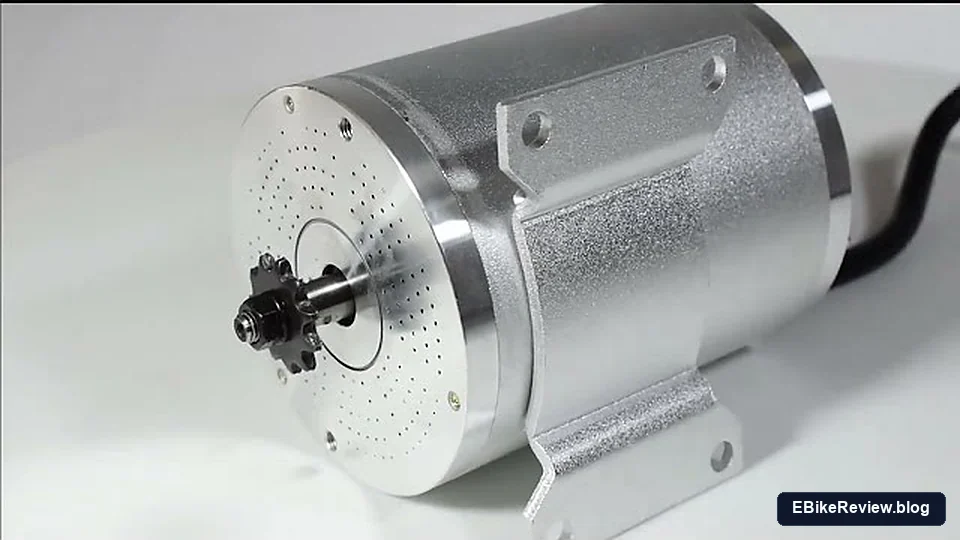
Crank motors mount directly at the bottom bracket shell, driving the chainring through internal reduction gears. This setup multiplies human pedaling force seamlessly using the existing gear cluster.
Hub motors apply rotational force directly to the wheel axle, bypassing the chain entirely. This direct-drive or geared configuration isolates motor stress from your bicycle drivetrain, reducing immediate mechanical coupling.
Mid-drive motors transmit rotational energy through the bottom bracket shell. By leveraging the existing gear cluster, a crank motor multiplies torque mechanically, optimizing efficiency across steep technical climbs.
- Hub motors bypass chain wear during acceleration.
- Crank motors leverage bicycle gear ratios.
- Direct wheel drive creates unique unspring weight profiles.
Direct Drive Versus Geared Hub Variations
Ungeared direct drive hubs contain no internal reduction gears, relying solely on electromagnetic fields for propulsion. They allow regenerative braking but add noticeable weight to the rear axle.
Geared hub variants use internal planetary gear systems to allow higher motor RPMs while maintaining compact dimensions. This mechanical reduction improves low-end torque significantly without adding excessive mass.
- Direct drive offers regenerative braking capability.
- Geared hubs maximize torque in compact housings.
Thermal Dynamics and Sustained Output Limits
Hub motors often struggle with heat dissipation during sustained climbs because enclosed housings trap thermal energy. Prolonged high-amp draws can overheat stators unless proper ventilation is engineered into the casing.
Mid-drive crank motors also face thermal saturation when pushing high wattages up steep grades continuously. However, their external positioning often permits better airflow compared to tightly packed wheel hubs.
Sealed hub motors struggle with heat dissipation during sustained climbs because enclosed stators trap thermal energy. Internal temperatures can easily exceed safe operating thresholds, risking permanent magnet demagnetization.
Mid-drive units utilize external casing designs and frame conduction to shed heat. However, high-output sustained climbs still force current throttling to protect delicate internal nylon reduction gears from melting.
- Stator temperature directly limits continuous motor output.
- Enclosed wheel hubs trap heat during heavy climbs.
- External casing design dictates long-term thermal endurance.
Drivetrain Wear, Maintenance, and Field Serviceability
Hub motor setups isolate the motor from the chain, resulting in significantly lower cassette and chain wear rates over time. Replacing a flat tire on a rear hub motor, however, requires careful cable disconnection.
Crank motors apply immense torque loads directly through the bicycle chain, cassette, and chainrings. This mechanical stress accelerates component wear, requiring frequent replacements of stretched chains and worn teeth.
Hub systems experience minimal chain and cassette wear because motor propulsion bypasses pedaling forces. Riders frequently report extended component lifespan since torque is never applied directly through the transmission links.
Crank motors dramatically accelerate chain and sprocket wear through compounded pedal and motor torque. Routine maintenance requires frequent chain replacement to prevent premature cassette skipping under heavy electrical loads.
- Hub systems protect drive chains from peak motor stress.
- Mid-drives accelerate standard bicycle component wear cycles.
- Rear wheel removal is simpler on crank setups.
Weight Distribution and Frame Integration Dynamics
Hub motors add substantial unsprung weight directly to the axle, impacting suspension response and trail agility. Buyers evaluating any best electric mountain bike should consider how this rear mass alters shock absorption.
Crank motors center the heaviest component right at the bottom bracket, optimizing overall mass distribution. This central location maintains natural bicycle balance, making maneuverability feel intuitive across technical terrain features.
Rear hub motors concentrate unsprung weight directly over the back axle, altering rear suspension kinematics. This rear-heavy bias degrades handling precision and complicates flat tire repair procedures significantly.
Mid-drives center mass perfectly within the bottom bracket shell for optimal balance. This centralized layout maintains natural steering geometry and preserves standard wheel removal mechanics during roadside maintenance.
- Axle weight affects rear suspension compliance.
- Center mounting preserves neutral handling characteristics.
- Frame geometry must accommodate specialized motor housings.
Torque Sensing versus Cadence Sensing Integration
Hub motor configurations frequently rely on basic cadence sensors that measure crank rotation rather than pedaling force. This creates a slight delay in motor engagement and produces an on-off riding sensation.
Crank systems utilize sophisticated torque sensors that instantly measure how hard you push the pedals. This delivers proportional power scaling, ensuring the motor response mimics your natural muscle input seamlessly.
Cadence sensors measure pedal rotation rather than actual force, creating a slight lag in motor engagement. Conversely, torque sensors measure rider input instantly, delivering proportional assistance for intuitive control.
Advanced mid-drives rely almost exclusively on sophisticated torque-sensing bottom brackets to interpret rider effort. Simpler hub systems often use magnetic cadence discs, resulting in abrupt power delivery characteristics.
- Cadence sensors track rotation rather than actual force.
- Torque sensors provide instantaneous, proportional power delivery.
- Advanced controllers blend both metrics for smooth operation.
Efficiency Profiles Across Variable Terrains
Hub motors excel on flat urban commutes where maintaining a steady cruising speed requires minimal gear shifting. Their direct propulsion model loses efficiency rapidly when forced to crawl up steep inclines slowly.
Crank motors shine in hilly environments because they can leverage bicycle gearing to keep the motor spinning efficiently. By dropping into an easier gear, the motor avoids bogging down under heavy loads.
Hub motors excel on flat terrain, but riders tackling inclines often check out our best dual motor electric bikes for steep hills to maintain momentum. Low rotational speeds can cause single motors to bog down.
Mid-drives maximize watt-hour efficiency on variable inclines by utilizing the bike's mechanical gears. Shifting into a lower gear keeps the motor RPM high, preventing thermal overload during technical ascents.
- Flat terrain favors direct-drive hub motor efficiency.
- Steep climbing requires gear-multiplied torque from mid-drives.
- Battery range varies drastically based on chosen terrain.
Cost-to-Performance and Long-Term Value Analysis
Hub drive systems generally offer a much lower entry cost due to simpler manufacturing requirements. When browsing the market for your best electric bike options, these models provide reliable, budget-friendly transportation for everyday commuters.
Crank motor assemblies require precision engineering and specialized frames, driving up initial purchase and repair expenses. However, their superior climbing capability and refined ride dynamics justify the investment for serious utility riders.
Hub drive setups offer exceptional manufacturing simplicity, keeping initial acquisition costs remarkably low. Replacement parts remain affordable and widely available for budget-conscious commuters seeking reliable daily transport.
Mid-drive engineering involves complex internal reduction gearing and proprietary frame mounting standards. This engineering complexity drives up replacement component expenses and requires specialized dealer tools for advanced diagnostics.
- Hub systems deliver cost-effective urban commuting solutions.
- Mid-drive assemblies demand higher initial financial investments.
- Proprietary parts complicate long-term third-party component repairs.
Frequently Asked Questions
Which system is better for steep hill climbing?
Crank-driven electric bicycle systems are vastly superior for steep hill climbing because they actively utilize your standard bicycle gear ratios to maintain optimal motor operating speeds under heavy operational loads.
This vital mechanical advantage effectively prevents dangerous thermal overload while consistently delivering immense climbing torque when aggressively tackling challenging outdoor inclines.
Are hub motors easier to maintain than mid-drives?
Hub motors are significantly easier to maintain over time because they completely isolate direct propulsion forces away from the bicycle chain and gear cassette components during everyday commuting.
This clever design effectively protects your mechanical drivetrain from extreme motor stress, resulting in drastically lower replacement frequency for worn chains and sprockets.
Do hub motors wear out rear tires faster?
Rear wheel hub motors add noticeable extra unspring weight directly to the axle assembly, which can accelerate tread wear during aggressive throttle-based acceleration on paved urban surfaces.
Fortunately, proper tire inflation and regular professional mechanical inspection easily mitigate this localized issue to ensure long tire life across various demanding everyday riding conditions.
Why do crank motors feel more natural when pedaling?
Mid-drive crank motors use sophisticated electronic torque sensors that instantly measure your exact pedal pressure rather than simply tracking basic crank rotation speed during your daily outdoor ride.
This seamless technical integration provides proportional power scaling that closely matches your natural muscle input for a truly organic and highly intuitive cycling experience.
Which setup offers better efficiency on flat terrain?
Direct-drive electric hub motors offer exceptional electrical and mechanical efficiency on flat urban routes because they require fewer intermediate moving parts within the wheel assembly.
This direct power transfer minimizes internal friction energy loss, making them exceptionally ideal for flat commuter routes where maintaining a steady cruising speed matters most for daily riders.