Ebike Torque vs. Cadence: Which Fits Your Setup Better?
Understanding ebike propulsion dynamics requires analyzing sensor mechanics. This guide evaluates torque and cadence systems for precise mechanical output.

For steep terrain and heavy towing, torque sensors dominate due to proportional feedback. For relaxed cruising and budget builds, cadence systems remain reliable winners.
Compare all top models in our Best Electric Bike: Top Commuter Picks for 2026.
Side-by-Side Breakdown
| Criteria | Ebike Torque | Cadence | Edge |
|---|---|---|---|
| Peak Performance & Output | Instantaneous proportional amplification based on rider pedal force. | Binary activation triggering flat motor output at set RPM thresholds. | Ebike Torque |
| Duty Cycle & Consistency | Maintains smooth thermal thresholds under heavy, variable gradient climbs. | Prone to motor surges when spinning pedals without real resistance. | Ebike Torque |
| Operating Noise & Vibration | Whisper-quiet sinusoidal wave controllers minimize electromagnetic hum effectively. | Can exhibit abrupt mechanical engagement noises during initial crank rotation. | Ebike Torque |
| Portability & Footprint | Slightly heavier bottom bracket assembly housing strain gauge electronics. | Minimalist magnetic ring and pickup sensor add negligible system weight. | Cadence |
| Maintenance & Service Life | Sealed bottom bracket units require professional calibration if damaged. | Exposed magnetic rings require periodic alignment checks and cleaning. | Ebike Torque |
| Power Requirements | Optimizes battery drain by matching exact human wattage input. | Draws flat current levels regardless of actual rider exertion needs. | Ebike Torque |
| Best Ideal Use-Case | Technical mountain biking, cargo hauling, and precision commuter riding. | Casual flat-ground cruising, throttle-assisted commuting, and budget builds. | Ebike Torque |
Engineering Fundamentals and Internal Sensor Architecture
Modern electric bicycles rely on sophisticated sensing mechanisms to translate human pedal input into motor actuation. These foundational systems dictate how seamlessly electrical power integrates with your mechanical leg output.
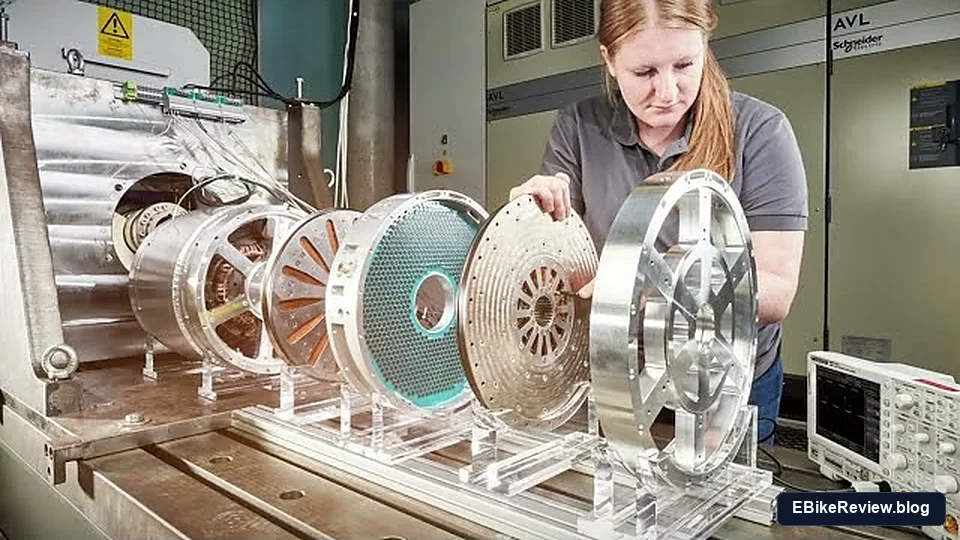
Engineers design these systems using distinct electronic methodologies. Evaluating the underlying hardware helps riders select the optimal drivetrain configuration for their specific commuting and recreational riding demands.
- Strain gauges measure actual pedal force applied by the rider.
- Magnetic rings track crank rotation speed without measuring pressure.
- Controller firmware interprets sensor data to modulate motor controllers.
Strain Gauge Mechanics in Torque Systems
Torque sensors utilize specialized strain gauges embedded within the bottom bracket axle. Learn proper hardware setup by reviewing our ebike torque arm installation guide for secure frame modifications.
This instantaneous feedback loop ensures the motor matches your exact effort level. You experience a natural cycling sensation that mimics riding a traditional, unassisted bicycle across varied terrain.
- Measures force in real-time across the drivetrain.
- Delivers zero-lag power delivery for immediate acceleration.
Magnetic Ring Arrays in Cadence Systems
Cadence setups rely on a simple disk featuring multiple embedded magnets attached to the crank spindle. A stationary hall-effect sensor detects when these magnets pass by during rotation.
Once rotation is verified, the controller delivers a pre-programmed level of electrical assistance. The system ignores how hard you push, focusing entirely on whether the pedals are spinning.
- Relies on crank movement rather than applied muscle pressure.
- Features simpler electronic components with lower manufacturing costs.
Performance Metrics Under Real-World Load Conditions
Testing electric bikes across grueling inclines reveals stark performance differences between these two sensor types. Real-world power delivery depends heavily on how the controller processes rider inputs during climbs.
Evaluating real-world responsiveness helps prevent motor overheating and premature battery depletion. Technical trails and steep urban hills demand high precision from your electric drivetrain architecture.
- Steep gradients expose the limitations of binary cadence controllers.
- Proportional torque systems prevent wheel slip on loose gravel surfaces.
Climbing Steep Gradients With Torque Control
When tackling steep hills, torque sensors shine by instantly ramping up power when you push harder. This proportional response prevents stalling and maintains steady momentum on challenging inclines.
Riders retain absolute control over rear-wheel traction on loose dirt. The motor acts as a seamless extension of your leg muscles rather than an independent push.
- Eliminates accidental surging on technical inclines.
- Maximizes traction by scaling power to pedal pressure.
Cruising Dynamics With Cadence Systems
On flat bike paths, cadence sensors provide effortless, throttle-like cruising assistance. Once you establish a comfortable spinning rhythm, the motor maintains cruising speed with minimal rider fatigue.
However, this lack of pressure sensitivity can cause sudden surges. If your foot slips or spins freely, the motor may momentarily lunge forward unexpectedly.
- Reduces muscular strain during long flat-ground commutes.
- Requires slight rider adaptation to avoid unexpected motor engagement.
Mechanical Efficiency and Battery Drain Analysis
Battery longevity remains a top priority for serious riders tackling rough terrain. Explore heavy-duty options featuring efficient power delivery within our best hunting ebike showcase for rugged outdoor utility.
Optimizing your energy consumption requires understanding how controllers draw current from lithium-ion battery packs during extended rides across mixed terrain profiles.
- Torque sensors conserve battery by matching real-time human exertion.
- Cadence sensors can draw excess power during low-resistance spinning.
Wattage Matching in Torque Drivetrains
Because torque systems scale power output dynamically, they waste very little electrical energy. The battery only discharges what is necessary to supplement your active muscle contribution.
This intelligent power scaling often yields extended range per charge cycle. Commuters can push harder when running late and relax when conserving battery capacity.
- Reduces thermal stress on the battery management system.
- Extends overall battery lifespan through efficient power draw.
Current Draw Patterns in Cadence Setups
Cadence setups typically deliver fixed power levels based on your chosen assistance tier. If you spin your pedals lightly without applying real force, the motor still delivers full preset wattage.
This behavior can drain your battery faster during casual or distracted spinning sessions. Managing your battery life requires manual adjustment of assist levels more frequently.
- Delivers flat power regardless of actual terrain resistance.
- Demands frequent manual assist level changes to save energy.
Maintenance Schedules and Component Longevity
Long-term ownership costs depend heavily on the durability of your drivetrain electronics and mechanical sensors. Routine upkeep ensures your electric bicycle remains reliable across thousands of miles.
Comparing maintenance requirements highlights which system offers better long-term value for daily commuters and recreational riders operating in diverse weather conditions.
- Torque bottom brackets feature sealed units requiring specialized service.
- Cadence rings need occasional alignment checks to prevent signal loss.
Servicing Integrated Torque Bottom Brackets
Torque sensors are typically housed inside sealed bottom bracket assemblies. While exceptionally weather-resistant, these complex units require professional workshop tools if electronic failure occurs.
Protecting these delicate strain gauges involves avoiding high-pressure power washers. Regular cleaning with mild degreasers preserves internal circuitry and extends component service life significantly.
- High resistance to water and dust ingress.
- Requires specialized tools for bottom bracket replacement.
Upkeep for External Cadence Sensor Rings
External cadence rings and magnetic sensors are exposed to road grime and debris. Periodic cleaning ensures the hall-effect sensor accurately detects every passing magnet.
If the magnetic ring shifts out of alignment, assistance may cut out intermittently. Master these fixes using our ebike cadence sensor troubleshooting guide to restore reliable motor activation.
- Exposed components demand regular post-ride cleaning.
- Simple mechanical design allows easy roadside adjustments.
Thermal Management and Electrical Footprint
Electrical efficiency generates thermal byproducts that affect motor controllers and battery packs. Managing heat buildup is crucial for sustaining high performance during prolonged climbs.
System architecture dictates how effectively heat dissipates from the bottom bracket and controller housing during heavy operational loads.
- Torque controllers optimize thermal loads through precise current scaling.
- Cadence systems can trigger thermal throttling during prolonged high-wattage spins.
Controller Thermal Regulation in Torque Units
Advanced torque controllers continuously monitor current draw to prevent overheating. By matching human input, they avoid sustained peak-wattage spikes that generate excessive heat.
This intelligent thermal management protects internal wiring harnesses and solder joints. Your motor maintains peak operating efficiency even during extended summer mountain climbs.
- Prevents dangerous heat spikes in controller housing.
- Sustains high performance across grueling mountain stages.
Managing Heat in Basic Cadence Motors
Fixed-output cadence motors can experience sustained high currents when riders spin rapidly up long grades. This constant high draw generates notable heat inside the hub or mid-drive casing.
Over time, unmanaged thermal buildup can trigger controller thermal throttling. Riders may notice a sudden drop in power output until the electrical system cools down.
- Susceptible to thermal throttling under continuous heavy loads.
- Requires adequate cooling airflow around motor housings.
Operational Noise Profiles and Vibration Output
A quiet, vibration-free ride enhances the overall cycling experience and reduces operator fatigue. Electromagnetic hum and mechanical chatter vary significantly between sensor technologies.
Analyzing acoustic footprints helps riders choose a system that delivers a smooth, refined ride quality across urban streets. Find top-performing models in our best commuter ebike ranking for daily urban transport.
- Sinusoidal torque controllers minimize annoying electromagnetic motor whine.
- Abrupt cadence engagement can create noticeable mechanical drivetrain clatter.
Acoustic Smoothness of Torque Systems
Torque-sensing setups pair with sophisticated sine-wave controllers to deliver whisper-quiet operation. The gradual power ramp eliminates sudden electrical hums during acceleration.
This acoustic refinement creates a premium riding feel. You hear only the quiet whir of tires and wind, enhancing your connection to the surrounding environment.
- Sine-wave controllers eliminate harsh electromagnetic buzzing.
- Delivers a luxury-grade, silent commuting experience.
Mechanical Feedback in Cadence Setups
Cadence systems can sometimes produce a slight mechanical clatter during abrupt engagement. When the magnets pass the sensor, the sudden power surge startles the chain and gears.
While not deafening, this noticeable drivetrain chatter detracts slightly from overall refinement. Riders quickly learn to anticipate engagement points to smooth out transitions.
- Sudden power delivery creates minor drivetrain shock.
- Readily apparent mechanical engagement during pedaling.
Tailoring Sensor Selection to Your Specific Workload
Choosing between torque and cadence sensors ultimately depends on your intended riding environment. Matching your personal workload to the correct sensor architecture ensures long-term satisfaction.
Carefully evaluating your daily commute, fitness goals, and terrain requirements prevents buyer's remorse and guarantees optimal performance on every single journey.
- Torque sensors suit technical commuters, cargo haulers, and mountain bikers.
- Cadence sensors fit casual cruisers, delivery riders, and budget builds.
When to Choose Torque Sensors
Select a torque sensor if you tackle steep hills, navigate technical singletrack, or haul heavy cargo loads. The proportional feedback provides unmatched control and safety.
Cyclists seeking a natural workout feel will also appreciate how torque systems reward physical effort. Your leg power directly dictates your cruising speed.
- Essential for cargo bikes and steep off-road climbing.
- Provides an authentic bicycle riding sensation.
When to Choose Cadence Sensors
Opt for a cadence sensor if you enjoy relaxed cruising across flat terrain or want a budget-friendly electric bike. These systems require minimal physical exertion.
Delivery riders often prefer cadence setups because they allow effortless propulsion during long shifts. You can spin your pedals without burning excessive energy.
- Ideal for flat city commuting and leisure riding.
- Offers a lower entry price point for budget shoppers.
Frequently Asked Questions
What is the primary operational difference between torque and cadence sensors?
Torque sensors measure how hard you push on the pedals to deliver proportional power, whereas cadence sensors simply detect when your cranks are spinning. This fundamental distinction defines your overall motor responsiveness.
Which sensor type provides better battery range for long daily commutes?
Torque sensors generally offer superior battery efficiency by matching your exact physical exertion levels. This intelligent power scaling prevents unnecessary energy waste, resulting in extended range per charge.
Are cadence sensors better suited for casual riders and flat terrain?
Yes, cadence sensors deliver effortless cruising assistance on flat paths with minimal physical effort. They act like a motorized throttle activated by pedaling, making them ideal for relaxation.
Why do mountain bikes and cargo e-bikes exclusively use torque sensors?
Torque sensors provide instantaneous feedback and precise low-speed throttle control needed for steep climbs and heavy loads. This prevents wheel slip and ensures maximum traction control.
Can a cadence sensor e-bike be upgraded to a torque sensor system?
Upgrading is rarely practical because it requires replacing the bottom bracket, wiring harness, and controller. It is almost always more cost-effective to buy a torque model initially.