Difference Between Class 1 2 And 3 Electric Bikes vs. Standard Electric Bike: Which Fits Your Setup Better?
Navigating e-bike classifications requires analyzing motor engagement thresholds and regulatory definitions. We evaluate how categorized pedal-assist setups compare directly against traditional mechanical bicycles across engineering standards.

Class 3 e-bikes dominate commuting efficiency, whereas the standard mechanical bike remains unmatched for zero-maintenance simplicity.
Compare all top models in our Best Electric Bike: Top Commuter Picks for 2026.
Side-by-Side Breakdown
| Criteria | Difference Between Class 1 2 And 3 Electric Bikes | Standard Electric Bike | Edge |
|---|---|---|---|
| Peak Performance & Output | Varies by class up to 750W | Human output only (approx 200W) | Side A |
| Duty Cycle & Consistency | Assisted high-speed cruising | Dependent on rider stamina | Side A |
| Operating Noise & Vibration | Low motor hum under load | Silent mechanical operation | Side B |
| Portability & Footprint | Heavier due to battery mass | Lightweight and easily carried | Side B |
| Maintenance & Service Life | Complex electrical diagnostics required | Simple analog mechanical upkeep | Side B |
| Power Requirements | Lithium-ion battery charging needed | Zero electrical power required | Side B |
| Best Ideal Use-Case | Fast urban daily commuting | Fitness riding and trail use | Side A |
Decoding Regulatory Frameworks and Motor Limits
Understanding legal classifications prevents costly compliance violations on public pathways. Federal standards divide motorized cycles into three distinct tiers based on maximum operational speed and activation type.
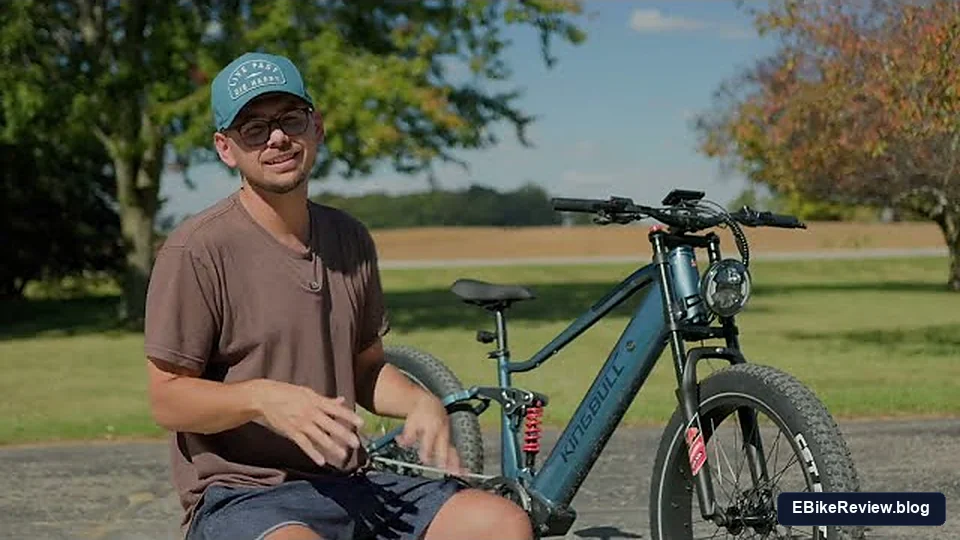
Class one systems provide pedal-assist only up to twenty miles per hour. Riders must actively pedal to engage the motor, which makes these units legally equivalent to traditional non-motorized bicycles.
Class two models introduce a throttle mechanism alongside pedal assist. These throttle-on-demand setups maintain the same twenty miles per hour ceiling while eliminating the constant pedaling requirement.
- Tiered speed limits define legal riding zones.
- Pedal-assist sensors dictate power delivery consistency.
- Throttle availability separates class two systems.
Regulatory Enforcement Mechanisms
Local municipalities often apply distinct enforcement protocols for motorized cycles. Agencies rely on hub-mounted rating tags to verify compliance with local maximum wattage limits.
Riders operating modified systems above legal thresholds risk confiscation and serious liability issues. You should carefully review the legal details covered in our do electric bikes need insurance guide before altering your setup.
- Rating tags verify local wattage compliance.
- Firmware inspections target illegal speed unlocks.
Mechanical Powertrains Versus Electrical Assistance
Standard mechanical bicycles rely entirely on human biomechanics and gear ratios. Every watt of kinetic energy originates directly from the rider through direct chain tension.
Classified e-bikes integrate hub motors to multiply human input and reduce gradient resistance. Many shoppers explore options featured in our best electric bikes for adults under 1000 selection for daily affordability.
Drivetrain wear patterns differ drastically between human-powered and motorized frames. High torque output accelerates chain stretch and requires heavy-duty cassette replacements.
- Human power drives traditional mechanical setups entirely.
- Electric assist multiplies rider input via sensors.
- Drivetrain components experience accelerated wear under torque.
Torque Sensor Calibration
Advanced cadence and torque sensors measure rider input force instantaneously. This precise data feed ensures smooth power delivery without surging or lag.
Standard bikes lack electronic feedback loops completely. Riders must manage cadence drops manually by shifting through multi-speed derailleur clusters.
- Sensors measure instantaneous rider input force.
- Manual shifting replaces electronic cadence management.
Speed Thresholds and Commuting Dynamics
Class three systems push assistance limits up to twenty-eight miles per hour. This elevated velocity significantly cuts down urban commute times across congested metropolitan corridors.
Standard bicycles rely strictly on gravity and physical stamina for speed. Sustaining high velocities demands exceptional physical fitness and aerodynamic positioning.
Braking systems must evolve to handle higher kinetic energy loads. Class three units require hydraulic disc brakes with oversized heat-dissipating rotors.
- Twenty-eight mph limits define class three performance.
- Standard bikes depend entirely on rider stamina.
- Hydraulic brakes manage increased stopping loads safely.
Urban Transit Efficiency
Higher cruising speeds allow riders to keep pace with traffic. This capability transforms bicycles into viable alternatives for long-distance daily commuting.
Traditional bikes serve shorter local routes efficiently while completely avoiding the mechanical complexities associated with motorized systems. Many budget-conscious shoppers explore options featured in our best electric bikes under 1000 selection to find reliable commuter alternatives.
- Cruising speeds match urban traffic flows.
- Traditional bikes avoid complex motor upkeep.
Infrastructure Access and Trail Regulations
Multi-use paths and mountain bike trails frequently enforce strict motor bans. Land managers restrict classified e-bikes to protect vulnerable trail surfaces from accelerated erosion.
Standard bicycles enjoy universal access across all designated non-motorized pathways. Riders can explore protected wilderness areas without facing regulatory entry restrictions.
Class one units occasionally secure access on select mountain biking trails. Advocacy groups continue lobbying for broader integration of low-speed pedal assist options.
- Trail access varies by motor classification tier.
- Standard bikes enjoy unrestricted multi-use path entry.
- Land managers regulate motorized trail use tightly.
Federal Land Policies
National parks maintain rigid distinctions regarding motorized recreation equipment. Bureau of Land Management guidelines classify e-bikes distinctly from traditional human-powered transport.
Enforcement officers utilize visual cues and specification badges to identify non-compliant units. Violating trail restrictions can result in heavy fines and equipment impoundment actions.
- Parks maintain rigid motorized recreation distinctions.
- Badges help officers identify non-compliant units.
Component Wear and Long-Term Maintenance
Maintenance overhead increases substantially when managing electrical components. Battery degradation and controller faults introduce complex troubleshooting routines beyond basic mechanical upkeep.
Standard bicycles feature straightforward mechanical architectures. Servicing involves basic cable adjustments, tire patches, and routine lubrication of pivot points using standard tools.
E-bike wheels endure significantly higher stress loads from integrated motor torque. Reinforced spokes and robust rims prevent structural failure during aggressive acceleration cycles.
- Electrical components require specialized troubleshooting expertise.
- Mechanical bikes use standard, easily replaceable tools.
- Motor torque accelerates wheel and drivetrain wear.
Electrical Diagnostic Procedures
Modern e-bikes require specialized diagnostic software tools. Technicians interface with battery management systems to identify hidden fault codes.
Traditional mechanical servicing relies purely on analog measurements. Mechanics use simple gauges to check chain wear and brake pad thickness.
- Diagnostic software interfaces with battery controllers.
- Analog tools suffice for mechanical service checks.
Weight Distributions and Frame Engineering
Integrating heavy motors and lithium batteries alters bicycle handling significantly. Engineers must reinforce head tubes and down tubes to handle concentrated mass.
Standard frames prioritize lightweight agility and compliance. Without heavy electrical hardware, these bicycles offer nimble steering response and effortless manual lifting.
Transporting heavier e-bikes requires specialized vehicle racks because standard car mounts often fail under heavy battery loads. Riders frequently review models listed in our best electric bikes under 2000 roundup for safety compatibility.
- Battery mass alters standard frame handling characteristics.
- Traditional frames emphasize lightweight agility and portability.
- Heavier electric frames demand robust transport racks.
Center of Gravity Optimization
Mid-drive motors centralize weight near the bottom bracket. This optimal placement preserves natural cornering balance during high-speed descents.
Hub motors shift weight toward front or rear axles noticeably. This imbalance affects suspension tuning and requires careful damping adjustments by technicians.
- Mid-drive motors centralize bottom bracket weight.
- Hub motors alter axle balance and suspension.
Energy Storage and Battery Management Systems
Lithium-ion battery packs store the chemical energy required for propulsion. Advanced management systems protect cells against thermal runaway and excessive voltage discharge.
Standard bicycles eliminate energy storage complications entirely. Riders generate all required propulsion internally without relying on rechargeable power sources.
Battery lifespan depends on charging habits and storage temperatures. Maintaining optimal cell health requires avoiding deep discharges and extreme environmental heat.
- Lithium-ion cells power all classified e-bike variants.
- Battery management systems prevent catastrophic thermal failures.
- Standard bikes require zero electrical energy storage.
Charging Infrastructure Needs
E-bike owners must manage regular charging cycles near electrical outlets. Portable chargers require careful handling to prevent internal power surges.
Traditional bikes remain perpetually ready for immediate deployment. There are no charging docks or power cords required for daily operation.
- Regular charging cycles require accessible power outlets.
- Traditional bikes offer instant deployment without charging.
Frequently Asked Questions
Can class three electric bikes be ridden on traditional bike paths?
Class three electric bikes are typically restricted from multi-use paths and recreational mountain bike trails due to their higher twenty-eight miles per hour maximum operational speed limit.
Riders must utilize public roadways or designated street bike lanes where high-speed motorized transit is fully permitted by municipal traffic laws.
What is the primary mechanical difference between a standard bike and an e-bike?
The primary mechanical difference involves the physical integration of an electric motor and an onboard lithium-ion battery pack directly into the bicycle frame.
While standard bicycles rely entirely on human pedaling input through traditional mechanical chains, e-bikes incorporate sophisticated torque-sensing motors to actively multiply rider effort across steep inclines.
Do class two e-bikes require active pedaling to activate the motor?
Class two electric bikes feature a convenient handlebar throttle mechanism that allows riders to engage the electric motor without pedaling at all.
This functional throttle-on-demand capability clearly distinguishes class two models from class one variants, which strictly require continuous pedal movement to maintain active motor assistance during transit.
How does motor classification affect overall maintenance requirements?
Motor classifications introduce complex electrical wiring and controller components that demand specialized diagnostic tools and professional servicing expertise.
Standard bicycles require minimal upkeep focused primarily on basic mechanical adjustments, cable tensioning, and routine chain lubrication without ever requiring complex electrical troubleshooting or firmware updates.
Are standard bicycles lighter and easier to transport than classified e-bikes?
Standard bicycles are significantly lighter because they completely lack heavy electric motors and high-capacity lithium battery packs.
This lower overall weight makes traditional bikes much easier to lift, carry upstairs, and mount onto standard vehicle bike racks without requiring heavy-duty structural hardware modifications for safe daily transport.