Class 1 vs. Class 2 Ebike: Which Setup Fits Your Riding Profile?
Navigating powertrain classifications requires evaluating pedal assist dynamics against throttle availability. Selecting the correct setup dictates legal trail access and physical exertion levels.

For technical trail riding and physical fitness, Class 1 is the superior choice. For effortless commuting and cargo hauling, Class 2 Ebike systems emerge as the clear winner.
Compare all top models in our Best Electric Bike: Top Commuter Picks for 2026.
Side-by-Side Breakdown
| Criteria | Class 1 | Class 2 Ebike | Edge |
|---|---|---|---|
| Peak Performance & Output | 250W nominal motor output with strict cadence scaling. | 750W peak output supporting direct throttle override. | Class 2 Ebike |
| Duty Cycle & Consistency | Optimized for continuous pedaling efficiency across climbs. | High thermal load during sustained throttle-only operation. | Class 1 |
| Operating Noise & Vibration | Whisper-quiet mid-drive motor frequencies under heavy load. | Hub motor buzz and increased unsprung rear weight. | Class 1 |
| Portability & Footprint | Lighter frame geometry with balanced center of gravity. | Heavier frame construction housing robust wiring harnesses. | Class 1 |
| Maintenance & Service Life | Standard bicycle drivetrain components with moderate chain wear. | Accelerated rear cassette and brake pad degradation. | Class 1 |
| Power Requirements | Lower amp-hour draws extending overall battery range potential. | High initial current draw when launching from dead stops. | Class 1 |
| Best Ideal Use-Case | Singletrack mountain biking and fitness-focused road riding. | Urban commuting, cargo transport, and throttle relief. | Class 2 Ebike |
Core Powertrain Architecture and Assist Mechanisms
Modern electric bicycles rely on sophisticated electronic controllers to manage electrical current delivery. Understanding these internal mechanics helps riders choose the ideal motor configuration.
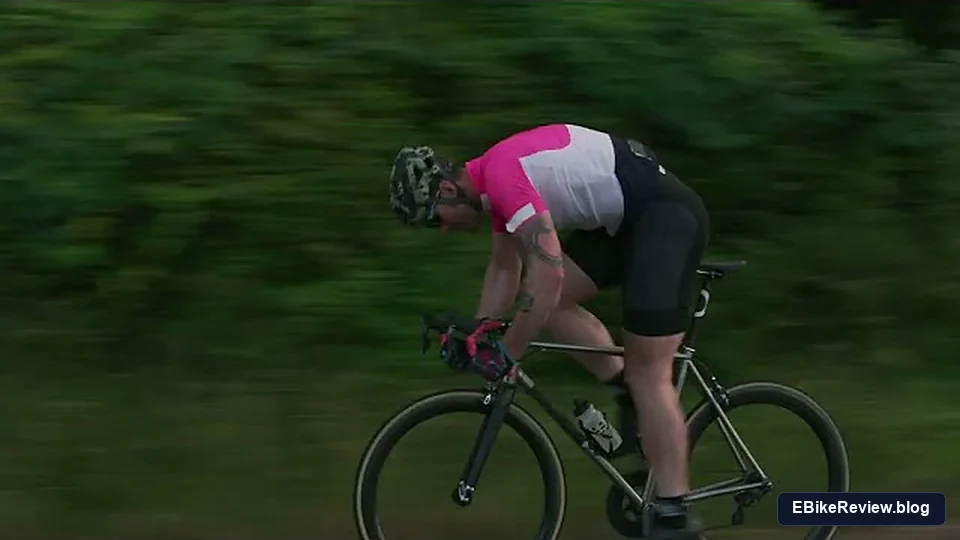
Pedal-assist systems measure rider input through torque and cadence sensors. This precise measurement ensures power delivery matches human effort seamlessly.
Class 1 systems rely strictly on a torque sensor or cadence sensor to deliver motor power only when pedals turn, capping assist at 20 mph under UL 2849 safety standards.
The absence of a throttle forces continuous human rotation, shifting internal gear hub stress patterns and protecting the bottom bracket from sudden peak torque loads during steep climbs.
- Torque sensors measure pedal pressure instantly.
- Cadence sensors track rotational crank speed.
- Controllers regulate power based on firmware maps.
Mid-Drive Versus Hub Motor Engineering
Mid-drive units multiply torque through the bicycle's mechanical gear train. This design optimizes climbing efficiency on steep inclines.
Rear hub motors bypass the chain entirely to deliver direct rotational force. This direct drive reduces mechanical complexity while adding weight to the rear axle.
- Mid-drives utilize existing gear ratios.
- Hub motors operate independently of chains.
Throttle Integration Versus Pedal-Only Control
The fundamental legal distinction rests on the presence of a throttle. Throttles allow movement without requiring any rotational pedal input from the rider.
Thumb and twist throttles provide instant acceleration from a dead stop. This feature proves invaluable when starting heavy loads on uphill slopes.
Class 2 architectures introduce a thumb or twist throttle alongside pedal assist, bypassing human input entirely to deliver instant voltage spikes straight to the hub motor.
This direct electrical engagement increases thermal buildup within stator windings, requiring robust temperature sensors to prevent permanent magnet degradation during heavy cargo hauling operations.
- Twist throttles offer variable rotational control.
- Thumb throttles minimize accidental activation risks.
- Pedal-only systems encourage active rider fitness.
Kinetic Energy Management During Acceleration
Throttle activation draws immediate current from the battery pack. Managing this surge prevents premature thermal throttling in compact controllers.
Pedal-assist ramping provides a smoother transition into high-speed cruising. This gradual power delivery preserves battery health over extended cycling sessions.
- Surge currents stress electronic components.
- Gradual ramps protect battery longevity.
Regulatory Compliance and Infrastructure Access
Land management agencies enforce strict classification rules to protect trail infrastructure. Many multi-use paths explicitly ban motorized throttles for safety.
Riders exploring our best ebike mountain bike reviews will find that Class 1 machines enjoy widespread singletrack access because their pedal-only nature aligns closely with traditional non-motorized cycling guidelines.
Federal and state land managers frequently restrict Class 2 models on narrow multi-use singletrack paths due to concerns regarding speed differentials and trail erosion from throttle usage.
Conversely, Class 1 electric bicycles enjoy broader legal access across designated forest service roads and paved greenways because their pedal-only architecture mirrors traditional non-motorized bicycle dynamics.
- State parks often restrict motorized throttles.
- Mountain bike networks favor pedal-assist setups.
- Municipal bike lanes welcome both categories.
Navigating Municipal Traffic Laws
Urban planners categorize these vehicles based on maximum assisted speeds. Both types cap motor assistance at twenty miles per hour.
Enforcement agencies rely on clear frame labeling to verify compliance. Riders must verify local municipal codes before operating on public roads.
- Assistance caps at twenty miles per hour.
- Frame labels confirm legal classification.
Energy Consumption and Battery Management
Electrical efficiency dictates how far you can travel on a single charge. Throttle usage consistently drains battery reserves faster than pedaling alone.
Advanced battery management systems protect lithium-ion cells from excessive discharge rates. Monitoring cell temperatures prevents long-term capacity degradation.
Continuous throttle engagement on Class 2 machines draws heavy amperage from the lithium-ion pack, significantly reducing overall riding range compared to measured pedal-assist profiles.
Battery Management Systems on Class 1 bikes experience lower thermal cycling stress, extending total cell longevity across hundreds of standard full-capacity charge and discharge cycles.
- Throttle riding increases watt-hour consumption.
- Pedal assist stretches total journey distance.
- BMS units prevent dangerous thermal events.
Optimizing Watt-Hour Yield Per Mile
Riders can maximize range by selecting lower assist levels. Maintaining optimal tire pressure also reduces rolling resistance significantly.
Cold weather conditions temporarily reduce available battery capacity. Storing packs indoors mitigates winter range anxiety during daily commutes.
- Lower assist modes conserve electrical energy.
- Proper tire pressure improves efficiency.
Drivetrain Wear and Mechanical Stress Factors
High torque outputs place immense strain on bicycle chains and cassettes. Without careful maintenance, premature component wear becomes a recurring issue.
Hub-driven setups reduce chain tension since power bypasses the drivetrain. However, they place extra stress on rear wheel spokes and dropouts.
High instantaneous torque from Class 2 throttles accelerates chain elongation and wears down steel cassette teeth much faster than smooth, sensor-regulated pedal inputs.
Maintenance schedules for Class 1 chains remain closer to conventional bicycles, whereas Class 2 setups demand heavy-duty E-bike rated chains and reinforced rear axles.
- Mid-drives accelerate chain and sprocket wear.
- Hub motors protect the central drivetrain.
- Regular lubrication extends component lifespan.
Braking Systems and Rotor Thermal Dynamics
Heavier electric bicycles require robust hydraulic disc brakes. Larger rotors dissipate the intense heat generated during rapid descents.
Cyclists prioritizing portability often check our best lightest commuter ebike roundup to minimize overall frame weight, noting that regenerative braking systems recapture minor energy while standard urban models rely on friction brakes.
- Hydraulic brakes ensure reliable stopping power.
- Large rotors prevent dangerous brake fade.
Ergonomics, Handling, and Weight Distribution
Weight distribution fundamentally alters how a bicycle handles tight corners. Mid-drive configurations centralize mass for predictable cornering dynamics.
Rear hub motors shift the balance backward. This rear-heavy bias requires conscious rider adjustment when navigating loose gravel surfaces.
Adding a heavy throttle assembly and robust wiring harnesses shifts the center of gravity forward, altering the steering geometry and overall handlebar response profile.
Class 1 platforms typically maintain a more balanced weight distribution, ensuring predictable cornering traction and stable downhill descents on loose gravel road surfaces.
- Centralized weight improves overall stability.
- Rear motors alter cornering traction profiles.
- Balanced frames reduce upper body fatigue.
Frame Geometry and Rider Positioning
Urban riders often evaluate our best commuter ebike options to prioritize upright seating positions for enhanced traffic visibility, while mountain-oriented frames place riders in aggressive, forward-leaning postures for rough off-road traction.
Adjustable stem angles allow users to fine-tune cockpit ergonomics. Proper fit prevents lower back strain during long rides.
- Upright postures improve urban traffic visibility.
- Aggressive stances optimize off-road control.
Real-World Commuting and Utility Applications
Backcountry explorers can browse our best hunting ebike selections for heavy-duty payload capacities, whereas daily urban commuting demands rugged reliability, weather resistance, and integrated cargo capacity to replace cars safely.
Cargo configurations leverage high initial motor torque to haul groceries. This utility transforms bicycles into viable car replacement options.
Urban commuters favor Class 2 models for effortless starts from complete dead stops at busy intersections without requiring immediate rider leg power exertion.
Touring cyclists and fitness riders prefer Class 1 options for natural handling dynamics, maintaining essential cardiovascular engagement throughout long daily commutes and weekend excursions.
- Throttles prevent sweat accumulation during commutes.
- Cargo builds replace traditional automobiles.
- Fenders and lights ensure year-round usability.
Weather Proofing and Electrical Durability
Ingress protection ratings indicate a frame's resistance to moisture. Quality wiring harnesses use waterproof connectors to prevent short circuits.
Riders should inspect seals after riding through heavy downpours. Routine checks protect sensitive internal controllers from water damage.
- IP ratings verify moisture and dust resistance.
- Waterproof connectors prevent electrical failures.
Frequently Asked Questions
Can a Class 2 model be converted into a Class 1 setup easily?
Converting requires physically disconnecting or removing the throttle mechanism entirely. Furthermore, firmware updates are often necessary to comply with local regional laws.
Why do many mountain bike trails ban throttle-equipped bicycles?
Land managers restrict them to preserve trail surfaces and user safety. Pedal-only systems maintain traditional non-motorized trail harmony and user etiquette.
Do these classifications affect rider insurance or licensing requirements?
Neither configuration requires a driver license or special insurance in most jurisdictions. Always check local state statutes for specific municipal updates.
Which powertrain offers better performance on steep mountain climbs?
Mid-drive variants excel by utilizing mechanical gear ratios. Torque multiplication lets them climb steep inclines efficiently without overheating.
How does throttle use impact overall battery life during daily rides?
Relying strictly on a throttle drains capacity much faster than pedaling. Active pedaling preserves watt-hours and extends your total travel range.