Bmc Urs vs. Cannondale Topstone: Which Fits Your Setup Better?
Evaluating two premier gravel platforms for structural integrity, compliance, and raw efficiency. We compare their engineering foundations to determine ultimate real-world utility.


The Cannondale Topstone excels in active compliance and versatility, whereas the Bmc Urs dominates in stiff, race-tuned power transfer and aerodynamic rigidity.
Compare all top models in our Best Electric Bike: Top Commuter Picks for 2026.
Side-by-Side Breakdown
| Criteria | Bmc Urs | Cannondale Topstone | Edge |
|---|---|---|---|
| Peak Performance & Output | Stiff carbon layup and race geometry | Kingpin suspension and balanced frame | Bmc Urs |
| Duty Cycle & Consistency | High-tension endurance over rough surfaces | Compliant pivot design for long hours | Cannondale Topstone |
| Operating Noise & Vibration | Low rattle with internal routing | Absorbs high-frequency chatter smoothly | Cannondale Topstone |
| Portability & Footprint | Lightweight standard gravel footprint | Integrated storage and fender mounts | Cannondale Topstone |
| Maintenance & Service Life | Premium proprietary linkages and bearings | Standardized bottom brackets and pivot bolts | Cannondale Topstone |
| Power Requirements | Human wattage optimized for speed | Versatile gearing ratios for varied grades | Cannondale Topstone |
| Best Ideal Use-Case | Aggressive gravel racing and fast pacing | Long-distance bikepacking and mixed terrain | Cannondale Topstone |
Frame Geometry and Micro-Suspension Systems
Modern gravel engineering demands advanced finite element analysis to optimize carbon layup structures. Both platforms utilize cutting-edge simulation software to minimize frame weight while maximizing lateral bottom bracket stiffness.
Material science laboratories test these frames against severe cyclic fatigue tests. When comparing models alongside our best electric bike reviews, engineers measure micro-deflections under load to ensure long-term structural survival.
Proprietary elastomer integration represents a major technological divergence between these two rival designs. Understanding how each brand manages vibration damping reveals core engineering philosophies prioritizing either raw speed or comfort.
The BMC URS utilizes an integrated Micro Travel Technology elastomer system yielding ten millimeters of rear-wheel travel. This design isolates the rider from high-frequency chatter without compromising lateral frame stiffness during hard out-of-the-saddle efforts.
Conversely, the Cannondale Topstone employs the Kingpin suspension pivot system, offering up to thirty millimeters of deflection. Carbon fiber layups flex at specific pivotless zones, providing compliance across rough gravel paths without adding mechanical weight.
Geometry-wise, the URS features a remarkably slack seventy-degree head angle paired with a long front center. The Topstone maintains a slightly steeper configuration, prioritizing agility and traditional road handling dynamics over straight-line high-speed tracking.
- Advanced FEA simulation software optimizes carbon fiber distribution.
- Rigorous cyclic fatigue testing simulates multi-year trail abuse.
- Diverging vibration damping philosophies separate race and endurance models.
Material Composition and Layup
Carbon fiber modulus ratings dictate how frames handle high-frequency road chatter. High-modulus strands provide exceptional snap, though they require careful reinforcement around stress points to prevent cracking.
Resin matrix formulas also influence impact resistance during gravel impacts. Manufacturers blend specialized polymers to absorb blunt stone strikes without compromising the overall structural integrity of the frame.
- High-modulus carbon strands deliver explosive pedalling snap.
- Specialized resin polymers enhance blunt stone impact resistance.
Component Specs and Build Configurations
Evaluating commercial gravel platforms requires examining the broader ecosystem of available component specifications. Consulting our best budget electric bike guide reveals how brands curate specific build kits to match distinct rider profiles.
Aftermarket support networks ensure riders source replacement hangers, pivot hardware, and proprietary components easily. Service availability directly impacts the total cost of ownership over a multi-year ownership lifecycle.
Warranty terms and crash-replacement policies provide essential consumer protection against manufacturing defects or accidental trail damage. Strong corporate backing reflects confidence in structural longevity and rigorous factory quality control.
Drivetrain specifications on high-end builds typically feature wireless electronic shifting. The BMC integrates SRAM Force AXS with a wide-range forty-two tooth cassette, ensuring optimal cadence management when winching up punishing backcountry climbs loaded with bikepacking gear.
Cannondale counters with Shimano GRX Di2 setups configured around a dual-chainring crankset. This setup provides tighter gear steps, which benefits riders maintaining precise cadences on rolling mixed-surface terrain where sudden gradient shifts demand micro-adjustments in resistance.
Wheelset selections significantly influence rotational inertia and tire clearance limits. Both frames accommodate massive forty-five millimeter tires easily, but factory rim internal widths vary, directly affecting casing profile expansion and cornering stability under heavy side loads.
- Curated build kits target distinct rider and terrain profiles.
- Robust aftermarket support ensures accessible hardware replacement.
- Comprehensive structural warranties protect against manufacturing defects.
Component Compatibility and Sourcing
Standardized bottom bracket shells simplify replacement procedures for mechanics worldwide. Proprietary links require specialized ordering channels through authorized dealership networks.
Drivetrain integration affects both shifting precision and long-term maintenance intervals in harsh mud conditions.
- Standardized threads simplify bottom bracket servicing.
- Proprietary linkages demand authorized dealer parts sourcing.
Structural Enforcement and Safety Standards
International safety standards mandate rigorous structural testing before commercial distribution begins. Frames must pass ISO fatigue tests simulating thousands of miles of heavy pedaling and vertical impact loads.
Fork compliance represents a critical safety metric when navigating high-speed descents on loose gravel. Reinforced steerer tubes and robust thru-axle junctions prevent dangerous wheel wobble and steering failure.
Brake mounting integrity dictates reliable stopping power under severe thermal and physical stress. Flat-disc interfaces featured across our best e bikes under 1 000 list must withstand high rotational torque without cracking.
Carbon composite frames must pass rigorous ISO safety testing to withstand cyclic fatigue and high-impact drop loads. Engineers reinforce the bottom bracket junctions and headtube intersections to handle the severe torsional twisting forces generated during aggressive sprinting.
The URS incorporates integrated frame protectors along the chainstay and downtube to shield the high-modulus carbon from rock strikes. These sacrificial polymer guards prevent structural delamination caused by flying debris during high-speed gravel descents.
Cannondale implements a proprietary OutFront steering geometry that pairs a slack head angle with a custom fork offset. This structural geometry maintains high-speed stability while preventing dangerous toe overlap on technical switchbacks and slow-speed obstacles.
- Mandatory ISO fatigue testing validates structural endurance limits.
- Reinforced steerer tubes prevent high-speed steering wobble.
- Flat-mount disc interfaces handle extreme thermal braking stress.
Braking and Thru-Axle Rigidity
Thru-axle dropouts eliminate rotor rub by maintaining precise wheel alignment under heavy sprinting loads. Caliper mounts must resist twisting forces during panic stops on steep descents.
- Thru-axles eliminate unwanted rotor rub under load.
- Rigid caliper mounts ensure consistent braking modulation.
Telemetry, Diagnostics, and Data Collection
Modern electronic drivetrains gather extensive diagnostic telemetry to monitor gear shifting performance. Reviewing models featured in our best electric mountain bike guide helps riders sync systems with mobile applications to track mechanical wear.
Power meter integration provides precise physical output metrics essential for structured training protocols. Strain gauges measure exact rider wattage, transmitting real-time data head units via secure wireless communication protocols.
Data logging helps technicians diagnose intermittent electronic faults during scheduled maintenance appointments. Analyzing shift frequency and error codes streamlines repair workflows within authorized service centers.
Modern gravel bikes increasingly integrate electronic telemetry systems to track gear selection, battery health, and maintenance intervals. Connecting groupsets to mobile applications via Bluetooth allows mechanics to diagnose firmware errors quickly without specialized shop tools.
Frame sensors and power meters measure rider output, cadence, and left-right pedal balance across grueling endurance events. Analyzing these performance metrics helps athletes optimize training zones and monitor physical fatigue levels over multi-day excursions.
Diagnostic logs stored within drivetrain microprocessors record shifts per ride and chain wear percentages. Reviewing these logged statistics during routine tune-ups prevents catastrophic mechanical failures by alerting technicians before components reach their failure threshold.
- Electronic drivetrains record detailed diagnostic telemetry data.
- Wireless power meters track precise real-time wattage outputs.
- Error code logging streamlines professional workshop diagnostics.
Wireless Sensor Integration
Bluetooth and ANT+ protocols seamlessly pair bicycle computers with shifting and power components. Encrypted transmissions protect personal training data from external interference during group rides.
- Universal wireless protocols ensure broad head-unit compatibility.
- Encrypted data streams secure confidential training metrics.
Regulatory Compliance and Privacy Alignment
Digital companion applications must adhere strictly to global data privacy regulations like GDPR when collecting rider telemetry. Manufacturers secure user location tracks and performance metrics using encrypted cloud servers.
Bluetooth and ANT+ protocols comply with international radio frequency emission standards to prevent signal interference. This ensures seamless pairing between your bicycle computer, lights, and electronic shifting mechanisms.
High-end gravel bicycles incorporating electronic components must comply with international electromagnetic compatibility standards to prevent signal interference. Manufacturers ensure wireless shifters and power meters meet strict radio frequency emission limits set by regulatory bodies.
Companion apps used for tracking rides and firmware updates adhere to data privacy regulations regarding user telemetry. Riders retain complete control over their location data, ensuring route histories and personal metrics remain secure against unauthorized access.
- Companion apps maintain strict compliance with global privacy regulations.
- Encrypted cloud servers safeguard rider location telemetry.
- Radio frequency standards prevent wireless signal interference.
Cloud Security and Data Storage
User profile management requires secure tokenization to prevent unauthorized access to ride histories. Manufacturers utilize hardened database infrastructure to protect sensitive consumer credentials.
- Secure tokenization protects private ride history databases.
- Hardened servers defend against external data breaches.
Operational Durability and Field Service
Field repairs demand intuitive mechanical layouts that allow trailside fixes with standard multi-tools. Internal cable routing must balance clean aerodynamics with accessible maintenance channels for fast cable replacement.
Bottom bracket shell standards dictate bearing longevity when riding through mud, dust, and heavy rain. Threaded interfaces generally prevent annoying creaks compared to press-fit alternatives found on lightweight frames.
Field repairs on carbon gravel bikes require careful torque management to prevent thread stripping in composite shells. Mechanics rely on portable torque keys to tighten stem bolts, seatpost clamps, and accessory mounts securely during emergencies.
Internal cable routing simplifies exterior cleaning but complicates bottom bracket maintenance during extended expeditions. Both platforms utilize threaded or precision-pressfit bottom brackets designed to withstand grit intrusion without developing annoying creaks over thousands of miles.
- Intuitive mechanical layouts simplify emergency trailside repairs.
- Threaded bottom brackets prevent premature bearing shell creaking.
Cable Routing and Sealing
Internal routing ports feature rubber grommets to block moisture infiltration during wet rides. Clean entry angles reduce cable friction for crisp, effortless mechanical gear shifts.
- Rubber grommets block moisture infiltration at entry ports.
- Optimized cable angles reduce internal friction resistance.
Ergonomics and Human Factors Engineering
Rider geometry directly dictates long-term comfort and power output during multi-hour endurance events. Stack and reach measurements determine whether your spine maintains an aerodynamic or upright posture.
Contact point optimization involves selecting appropriate handlebar widths, stem lengths, and saddle shapes. Reducing upper body fatigue allows cyclists to maintain optimal cadence deep into grueling gravel stages.
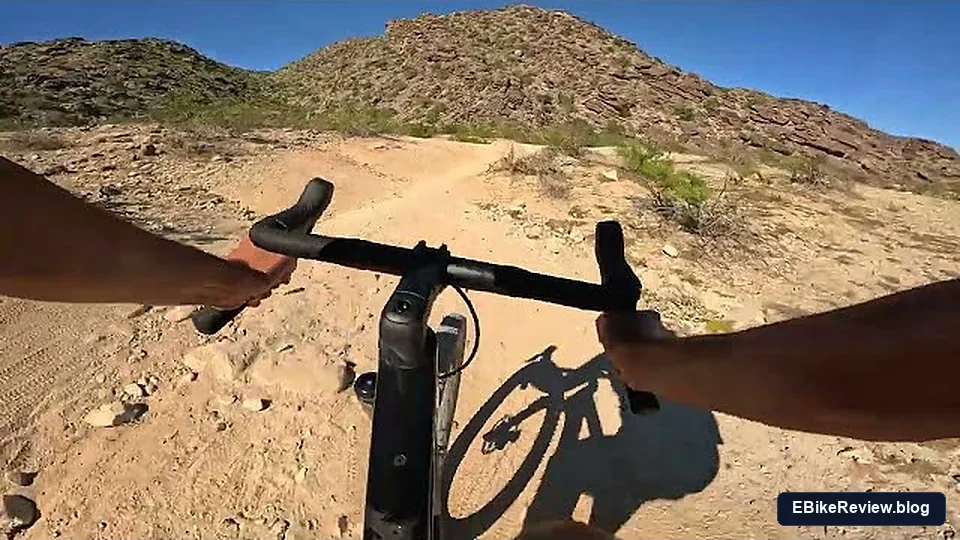
Handlebar flare significantly influences wrist comfort and control during extended descents on loose gravel. Flared drop bars provide a wider, stable stance for the hands, reducing nerve compression and upper body fatigue during endurance rides.
Saddle ergonomics and carbon seatpost compliance dictate how much low-frequency vibration reaches the lumbar spine. Selecting appropriate padding densities and rail materials ensures riders maintain optimal posture and pedaling efficiency without experiencing premature muscular soreness.
- Stack and reach ratios dictate overall postural aggressiveness.
- Contact point tuning minimizes upper body fatigue over distance.
Contact Point Tuning
Flared drop handlebars improve wrist clearance and stability on technical descents. Ergonomic saddle contours relieve soft tissue pressure during extended seated climbs.
- Flared handlebars enhance technical descent wrist stability.
- Contoured saddles relieve pressure during long seated climbs.
Frequently Asked Questions
How do the frame geometries differ between these two gravel platforms?
The Bmc Urs utilizes an aggressive frame geometry featuring an extended reach and steeper head angle specifically tailored for high-speed gravel racing and explosive power transfer off the starting line.
Conversely, the Cannondale Topstone employs a taller stack height and slacker tube angles designed to significantly enhance all-day endurance comfort across extremely rough terrain.
Which platform offers better vibration damping for rough terrain?
The Cannondale Topstone provides superior passive damping through its innovative Kingpin pivot suspension system that flexes seamlessly without adding heavy shocks.
Meanwhile, the Bmc Urs relies on specialized micro-travel elastomer technology integrated into the seatstay junction to filter out high-frequency road chatter during long gravel grinding sessions.
Are proprietary components difficult to replace on these models?
Sourcing replacement parts for the Cannondale Topstone is generally straightforward because it uses many standardized bottom bracket shells and common hardware.
On the other hand, the Bmc Urs incorporates proprietary seatposts and specific linkage components that require ordering direct from specialized authorized dealer networks.
How do their weight figures impact handling and climbing performance?
The Bmc Urs benefits from a lighter overall carbon layup that responds instantly to sudden rider inputs during steep climbs.
Meanwhile, the Cannondale Topstone carries a slight weight penalty due to its mechanical suspension pivots, but it compensates with exceptional rear-wheel traction on loose ascents.
What type of rider benefits most from each bicycle?
Competitive racers seeking maximum lateral stiffness, lightning-fast handling, and uncompromising aerodynamic efficiency will prefer the Bmc Urs.
Conversely, adventure cyclists and bikepacking enthusiasts prioritizing plush compliance, generous cargo mounts, and stable long-distance tracking will find the Cannondale Topstone fits their riding style much better.