Bafang Mid Drive vs. Hub: Which Setup Fits Your Ride
Choosing between a crank-mounted motor and a wheel-integrated design defines your electric bicycle performance. Engineering priorities dictate whether you need raw climbing torque or seamless mechanical efficiency.

Choose the Bafang Mid Drive for steep gradients and heavy cargo hauling where gearing leverage matters. Opt for the Hub motor if you want low drivetrain wear and direct throttle responsiveness.
Compare all top models in our Best Electric Bike: Top Commuter Picks for 2026.
Side-by-Side Breakdown
| Criteria | Bafang Mid Drive | Hub | Edge |
|---|---|---|---|
| Peak Performance & Output | High torque multiplication via gears | Direct wheel spin without gearing | Bafang Mid Drive |
| Duty Cycle & Consistency | Superior thermal management on climbs | Prone to overheating on steep grades | Bafang Mid Drive |
| Operating Noise & Vibration | Noticeable gear whine under load | Nearly silent direct-drive operation | Hub |
| Portability & Footprint | Compact central mass integration | Adds heavy unsprung axle weight | Bafang Mid Drive |
| Maintenance & Service Life | High chain and cassette wear | Low drivetrain maintenance requirements | Hub |
| Power Requirements | Optimized amp draw through shifting | Higher continuous power draw uphill | Bafang Mid Drive |
| Best Ideal Use-Case | Cargo hauling and mountain touring | Urban commuting and flat roads | Split |
Engineering Fundamentals and Torque Delivery Mechanics
Mid-drive systems mount directly to the bottom bracket shell, applying rotational force straight through your bicycle chain. This setup utilizes your existing gear cassette to multiply torque output across various riding cadences.
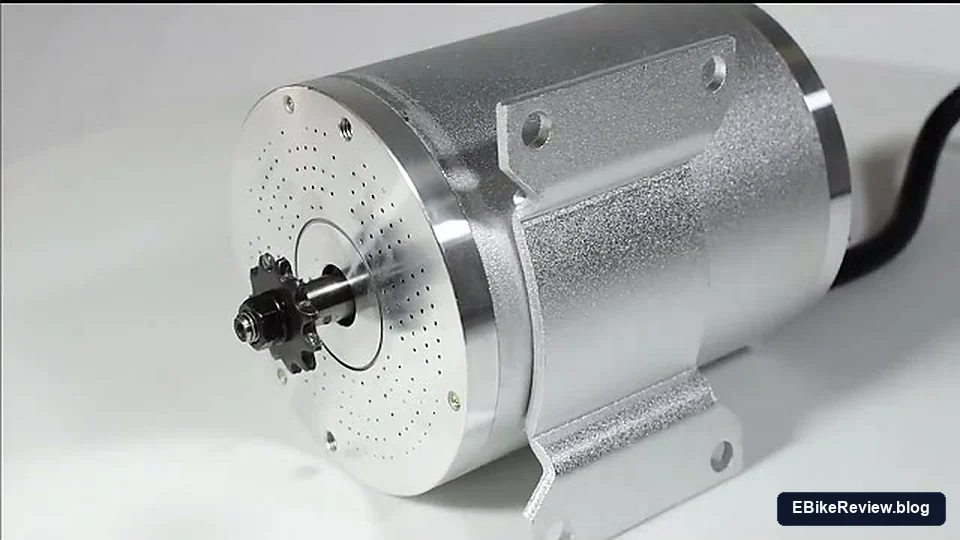
Hub motors operate independently within the front or rear wheel hub, spinning the wheel directly without involving the chain. This direct-drive architecture delivers instant throttle engagement but lacks the mechanical advantage of gearing.
Internal planetary gears let mid-drive motors spin efficiently. Following our bafang programming guide helps optimize controller parameters while increasing torque transfer before power reaches the crankset.
- Mid drives leverage bicycle gear ratios to optimize electric motor RPM during acceleration.
- Hub motors bypass traditional drivetrain stress by spinning the outer wheel shell directly.
- Bottom bracket integration balances central weight distribution effectively across the frame geometry.
Planetary Gear Reduction Systems
Complex planetary gear clusters inside mid-drive motors allow compact housings to generate massive pulling power. These precision gears reduce high motor speeds into usable crank rotation effortlessly.
Without these internal mechanical reductions, small electric motors would overheat instantly under heavy loads. Engineers rely on steel and nylon gears to withstand high torque thresholds reliably.
- Planetary gearsets maximize rotational efficiency within compact motor housings.
- Nylon gear stages reduce operating noise while maintaining structural integrity.
Hill Climbing Efficiency and Thermal Dissipation Rates
Tackling steep mountain inclines exposes major performance disparities between these two distinct electric motor designs. Mid drives excel on long climbs by utilizing lower gear ratios to maintain high motor RPM.
Rear hub motors struggle on prolonged steep grades because they lack gearing multiplication leverage. Sustained low-speed climbs can cause excessive thermal buildup inside sealed hub casings, risking permanent stator damage.
Thermal management dictates how long a motor sustains peak wattage output. Choosing options from our best mid drive ebike under 2000 guide ensures efficient heat dissipation through exposed aluminum casings facing oncoming airflow.
- Gearing multiplication prevents mid-drive thermal overload on exceptionally steep mountain ascents.
- Hub motors experience severe efficiency drops during sustained low-speed climbing scenarios.
- Stator heat dissipation requires careful thermal monitoring on heavy hub setups.
Managing Thermal Overload Risks
Sustained high-amp draws without adequate airflow cause copper windings inside hub motors to reach dangerous temperatures. Internal thermal sensors trigger automatic power cutoffs to prevent catastrophic stator melting.
Mid drives avoid this by shifting mechanical loads away from the electrical windings entirely. Riders can maintain sustainable climbing speeds without risking permanent thermal motor failure.
- Copper winding temperatures dictate safe operating limits for sealed hub motors.
- External cooling fins help mid drives shed heat during grueling ascents.
Drivetrain Wear, Chain Load, and Mechanical Stress
Routing electric motor torque through the standard bicycle chain introduces significant mechanical friction and component wear. High-output mid drives frequently snap chains and wear out cassettes much faster than standard pedal bicycles.
Hub motors completely isolate propulsion forces from your chain, cassette, and chainrings during operation. Your physical pedaling effort remains the only force stressing the drivetrain components, extending chain lifespan significantly.
Replacing stretched chains becomes routine maintenance for mid-drive owners. Selecting models from our best mid drive ebike under 3000 lineup helps prevent slipping gears and expensive drivetrain replacements over time.
- Mid drives apply high tensile loads directly to bicycle chains and cassettes.
- Hub systems protect chains from dual-source mechanical stress during daily commutes.
- Cassette replacement intervals decrease drastically with powerful mid motors installed.
Component Lifespan Expectations
Standard bicycle chains struggle to handle combined human and motor wattages exceeding nominal limits. Upgrading to heavy-duty e-bike chains helps mitigate premature pin wear significantly.
Hub-driven bicycles enjoy normal bicycle component lifespans since their chains experience zero motor tension. Maintenance costs remain markedly lower for riders choosing hub propulsion.
- E-bike specific chains offer thicker links to survive mid-drive forces.
- Hub setups preserve standard bicycle component wear characteristics entirely.
Integration, Frame Geometry, and Weight Distribution
Proper weight distribution heavily influences handling stability, cornering predictability, and overall bicycle maneuverability. Mid drives position heavy magnetic components centrally within the bottom bracket zone, keeping the center of gravity low.
Rear hub motors add significant unsprung rotational weight directly to the back wheel axle. This rear-biased weight distribution can negatively affect suspension compliance and make rear-flat repairs remarkably complicated.
Balanced weight distribution helps bikes handle technical singletrack with agility. Checking our best mid drive electric bike for climbing roundup ensures riders experience predictable steering feedback without heavy rear-wheel dynamics.
- Centralized mass improves handling agility and overall frame balance considerably.
- Unsprung rear weight complicates suspension tuning and rear tire change procedures.
- Custom frame designs are mandatory for integrated mid-drive motor housings.
Handling Technical Terrain Profiles
Navigating rocky trails requires optimal weight placement to maintain tire traction over obstacles. Mid drives keep steering light by centralizing mass between the wheels for balanced cornering.
Heavy hub motors make lifting the rear wheel over logs significantly more strenuous. Suspension pivots must work harder to control unsprung axle weight on rough descents.
- Central mass placement enhances maneuverability across technical off-road trails.
- Unsprung rear weight reduces small-bump suspension compliance noticeably.
Efficiency Profiles, Battery Draw, and Range Dynamics
Energy conservation depends heavily on matching motor operating RPM with appropriate wheel speed. Mid drives maintain optimal efficiency ranges by allowing riders to shift gears, preventing high amp draws during acceleration.
Hub motors operate at fixed magnetic efficiencies that drop significantly when climbing hills or accelerating slowly. This lack of gear adaptability often results in increased battery drainage during stop-and-start urban commuting.
Calculating real-world battery range requires factoring in terrain profiles and rider cadence habits. Mid drives consistently deliver superior watt-hour mileage over hilly topography.
- Gear shifting keeps mid-drive current draws within optimal magnetic efficiency ranges.
- Fixed-speed hub motors draw heavy amps during slow acceleration from stops.
- Watt-hour range calculations favor mid drives on mixed urban and hilly routes.
Maximizing Battery Range Efficiency
Smart energy management involves keeping motor RPM high through proactive gear selection. Riders can extend battery life by pedaling in lower gears during steep climbs.
Hub motors lack this mechanical adjustment capability, relying purely on raw controller wattage. Riders must rely on larger battery capacities to achieve comparable range.
- Proactive gear shifting preserves valuable battery capacity on long rides.
- Hub systems require larger battery packs to match mid-drive range.
Maintenance Protocols, Servicing, and Component Lifespan
Routine upkeep differs vastly depending on which motor architecture you choose for your daily rides. Mid drives require frequent chain cleaning and lubrication checks to mitigate the severe forces applied by the motor.
Hub motors offer virtually maintenance-free operation because they contain fewer internal wearable mechanical parts. When internal electrical failures occur, however, replacing a sealed hub motor usually requires specialized technician intervention.
Understanding your mechanical skill level helps determine which system suits your garage workshop. Simple hub setups require minimal mechanical aptitude compared to complex mid-drive units.
- Mid drives demand strict adherence to chain and gear maintenance schedules.
- Hub motors eliminate traditional drivetrain adjustment requirements entirely for commuters.
- Internal electrical repairs on hub motors require professional service shop intervention.
Emergency Trailside Repairs
Fixing a flat tire on a rear hub motor involves disconnecting heavy waterproof wiring harnesses. This process demands extra tools and patience compared to standard quick-release axles.
Mid-drive setups use standard wheel axles, making flat repairs straightforward and fast. Cyclists can replace tubes without dealing with cumbersome motor power cables.
- Quick-release axles simplify flat tire repairs on mid-drive bicycles.
- Wiring disconnects add complexity to rear hub flat repair procedures.
Application-Specific Suitability for Commuting and Cargo
Selecting the correct motor configuration requires analyzing your specific riding environment and cargo hauling requirements. Cargo bikes and mountain tourers benefit immensely from the torque multiplication provided by mid-drive systems.
Flat-terrain commuters and casual riders find hub motors ideal due to their quiet operation and low maintenance. Urban delivery riders also appreciate the redundant throttle capability offered by standard hub setups.
Matching motor output to your daily route ensures long-term satisfaction and reliable transportation. Assess your local topography before investing in conversion kits or complete e-bikes.
- Cargo and touring applications require superior mid-drive torque multiplication.
- Urban flat commuting favors low-maintenance hub motor designs for reliability.
- Throttle-only operation is predominantly found on hub-driven commuter bicycles.
Urban Commuting vs. Cargo Hauling
Navigating congested city streets demands reliable throttle takeoffs and minimal maintenance. Hub motors provide effortless stop-and-go commuting without stressing the bicycle chain.
Hauling heavy cargo loads up city bridges necessitates the raw mechanical advantage of mid drives. Heavy payload stability relies heavily on centralized motor weighting.
- Throttle takeoffs make hub motors popular for busy urban commuting.
- Cargo hauling requires low gearing to protect motors under heavy loads.
Frequently Asked Questions
Do mid-drive motors drain batteries faster than hub motors?
Mid drives actually conserve battery life on hilly terrain by utilizing gear ratios. Smart shifting keeps the motor operating within its peak efficiency window constantly.
Can I install a mid-drive motor on any standard bicycle frame?
Most aftermarket mid drives fit standard threaded bottom brackets easily. However, you must verify shell width clearances before purchasing conversion kits.
Why do hub motors feel different when pedaling without power?
Gearless hub motors create slight electromagnetic drag when unpowered due to internal magnets. Geared hubs feature internal freewheels that eliminate this resistance completely.
Which motor type lasts longer under heavy daily commuting use?
Hub motors generally last longer electrically because they lack complex gear reductions. Mid drives outlast them mechanically only if drivetrain components receive diligent maintenance.
Are rear hub motors safe for riding on slippery winter roads?
Rear hub motors can sometimes break traction on loose ice due to rear weight bias. Mid drives offer superior weight distribution for winter stability.