Air Suspension vs. Coil Spring Ebike: Which Fits Your Setup Better?
Modern electric bicycles demand robust front and rear suspension architectures. We evaluate air springs against steel coils across key metrics.

Choose air suspension for adjustable lightweight efficiency, or select coil spring ebike setups for linear bump absorption and extreme durability.
Compare all top models in our Best Electric Bike: Top Commuter Picks for 2026.
Side-by-Side Breakdown
| Criteria | Air Suspension | Coil Spring Ebike | Edge |
|---|---|---|---|
| Peak Performance & Output | Tunable progression curves | Linear mechanical resistance | Coil Spring |
| Duty Cycle & Consistency | Prone to thermal fade | Constant damping behavior | Coil Spring |
| Operating Noise & Vibration | Quiet pneumatic operation | Silent mechanical travel | Tie |
| Portability & Footprint | Significantly lighter mass | Heavier steel wire build | Air Suspension |
| Maintenance & Service Life | Frequent seal overhauls | Minimal upkeep required | Coil Spring |
| Power Requirements | Optimizes battery range | Adds minor weight penalty | Air Suspension |
| Best Ideal Use-Case | Versatile commuting & trails | Heavy cargo & downhill | Coil Spring |
Fundamental Suspension Architecture Mechanics
Air systems utilize sealed pneumatic chambers to replace traditional steel wire. Riders adjust pressure using a high-pressure shock pump to match specific payload weights and riding styles accurately.
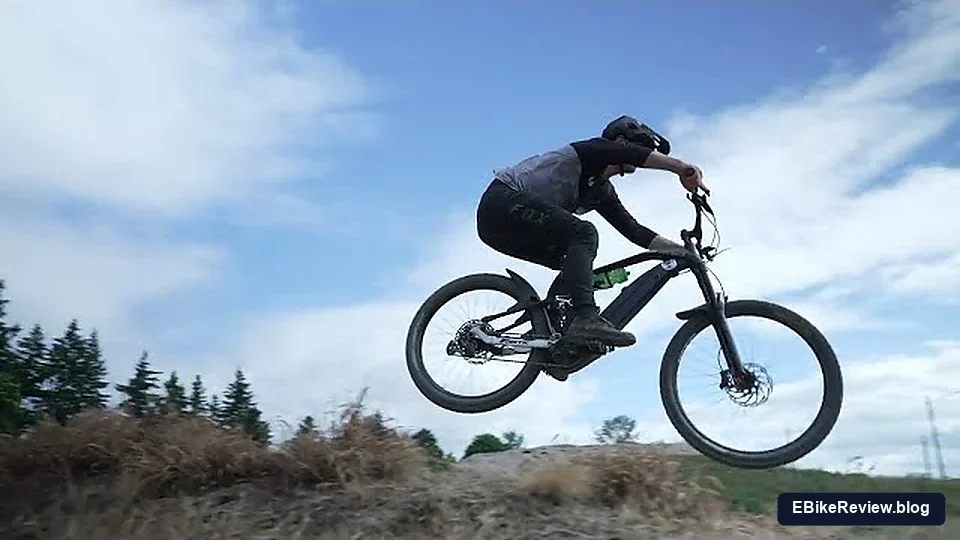
Coil springs rely on a tempered steel or titanium helical wire, making them popular on many models featured in our best full suspension ebike roundup. This mechanical approach provides immediate linear resistance.
Air systems utilize sealed aluminum alloy air cans to create progressive spring rates, allowing precise rider weight tuning via high-pressure shock pumps without swapping internal mechanical components.
Conversely, coil setups depend on tempered steel or titanium springs delivering linear compression curves, meaning resistance increases uniformly throughout the entire travel stroke regardless of initial setup pressure.
- Pneumatic systems provide infinite spring rate tuning via pressure adjustments.
- Steel coils deliver unmatched linear progression through deep travel cycles.
- Air setups reduce overall platform weight significantly on mid-drive chassis.
Pneumatic Chamber Dynamics
Air volume chambers dictate the progression curve of your fork or rear shock. Adding volume spacers alters end-stroke ramp-up for aggressive trail descents.
- Smaller chambers create aggressive bottom-out resistance.
- Larger volumes mimic linear coil characteristics closely.
Performance Dynamics Under Heavy Electrical Loads
Electric cargo bikes and heavy commuters experience distinct weight distributions, a factor we analyze in our best dual suspension ebike guide. Air suspension allows precise sag calibration to handle heavy rear loads.
Coil springs excel under continuous high-load scenarios because they do not suffer from internal seal friction. Heavy ebike frames benefit from this predictable, constant mechanical rate.
Heavy ebike chassis often exceed seventy pounds, putting immense strain on front forks during hard braking maneuvers and requiring reinforced stanchion tubes to resist structural torsional flexing.
Coil springs handle this constant mass seamlessly by maintaining predictable bottom-out resistance, whereas air shocks can blow through mid-travel easily if volume spacers are not correctly installed inside.
- Heavy motor torque requires balanced anti-squat kinematics.
- Pneumatic dampers manage fluctuating payloads through external pump adjustments.
Payload Stress Management
Carrying groceries or gear shifts the center of gravity rearward significantly. Proper damping prevents unsettling chassis oscillations during sudden braking maneuvers.
- Coil setups absorb static weight without pressure loss.
- Air shocks require careful PSI monitoring before heavy trips.
Real-World Ride Quality and Terrain Adaptation
Small bump compliance separates elite suspension components from basic models, a crucial trait highlighted in our top mid-range full suspension ebike picks. Steel coils track tiny gravel ripples exceptionally well due to minimal seal friction.
Air springs offer superior tunability for varying rider weights and terrain profiles. Adjusting chamber pressure takes minutes, providing customized performance across diverse trail networks.
Trail chatter is absorbed differently because air chambers act as dynamic cushions, while steel coils provide unmatched small-bump sensitivity that tracks root-strewn singletrack with absolute mechanical fidelity.
Riders tackling aggressive descents benefit from adjustable high-speed compression, letting them customize chassis composure when landing heavy drops or cornering through high-G berms on technical routes.
- Coil springs eliminate harsh initial stiction during high-frequency chatter.
- Air units adapt easily when switching between loaded and unloaded commutes.
Surface Tracking and Traction
Maintaining tire contact with loose surfaces ensures safe cornering and braking traction. Both systems accomplish this differently through distinct spring characteristics.
- Steel coils maintain continuous ground contact on washboard roads.
- Air springs offer adjustable pop for dynamic riding styles.
Maintenance Schedules and Long-Term Durability Factors
Pneumatic systems require frequent wiper seal replacements and fluid lubrication services. Neglecting these maintenance intervals leads to scored stanchions and air leaks.
Steel coil setups demand minimal upkeep beyond occasional pivot bearing checks. Their robust mechanical design withstands harsh winter commuting and salted roads far better than complex air chambers.
Air suspension systems demand frequent wiper seal lubrication and periodic damper rebuilds every fifty riding hours to prevent air migration past internal O-rings and maintain proper damping.
Conversely, coil configurations offer exceptional long-term reliability with minimal service intervals, only requiring occasional spring preload adjustments and exterior wipe-downs to combat corrosive winter road salt accumulation.
- Air cans need 50-hour air sleeve service intervals for peak performance.
- Coil units operate reliably for years with zero internal pressure monitoring.
Weather Resistance and Wear
Environmental elements test suspension durability during daily all-weather commuting. Protected internal coils resist moisture better than exposed pneumatic shaft seals.
- Salt exposure accelerates corrosion on lower leg bushings.
- Sealed damper cartridges protect vital hydraulic oil circuits.
Thermal Efficiency and Damping Consistency
Long technical descents generate intense hydraulic friction inside shock bodies. Air suspension units can experience thermal expansion, altering rebound damping behavior during prolonged braking zones.
Metal coil springs maintain consistent mechanical properties despite internal temperature spikes. This thermal stability ensures predictable handling on multi-mile mountain descents or steep urban hills.
Extended downhill runs generate intense friction, causing internal oil temperatures to rise and leading to viscosity breakdown that compromises rebound control on rapid mountain descents.
Air shocks feature internal IFP reservoirs designed to mitigate heat fade, whereas massive coil spring bodies naturally dissipate thermal energy faster through thick metallic wall construction.
- Hydraulic fluid heating affects air and coil dampers equally.
- Steel wire retains constant spring rates regardless of thermal loads.
Extended Braking Performance
Repeated braking on steep declines heats up damper oil rapidly. Consistent damping prevents suspension packing during continuous descents.
- Thermal fade reduces recovery speed in air shocks.
- Coil setups maintain predictable rebound characteristics.
Weight Distribution and Frame Integration
Minimizing unsprung mass improves overall vehicle handling and battery range. Air suspension significantly reduces bike weight compared to heavy steel wire coils, enhancing agility.
Modern ebike frames are heavily reinforced to handle battery integration. Designers often pair lightweight air shocks with robust aluminum or carbon swingarms to balance overall platform mass.
Integrating heavy components requires careful frame balancing, since unsprung weight reduction improves rear wheel tracking while heavier coil springs alter the exact center of gravity.
Frame manufacturers often reinforce pivot junctions to withstand the cyclic fatigue forces transmitted by heavier motorized pedal assist platforms operating at high speeds across rough terrain.
- Weight savings translate directly to improved manual handling performance.
- Lighter front forks reduce fatigue during extended urban commuting sessions.
Chassis Balance Strategies
Balancing front and rear suspension compliance prevents pitching under heavy acceleration. Options featured within our best budget full suspension ebike picks demonstrate how frame geometry successfully integrates with powerful motors.
- Mid-drive motors alter center of gravity distribution.
- Frame leverage ratios dictate optimal spring selection.
Selecting the Optimal System for Your Riding Profile
Commuters prioritizing low maintenance should lean toward robust steel configurations. Conversely, recreational riders seeking personalized adjustability will appreciate pneumatic platforms.
Assessing your typical payload and local terrain reveals the ideal damping solution. Balance initial equipment costs against long-term service requirements before finalizing your purchase decision.
Commuters and cargo haulers benefit from robust coil spring designs that withstand daily abuse without losing pressure or requiring complex roadside pneumatic adjustments during weather changes.
Mountain trail riders should select lightweight air units featuring tunable progression curves to optimize climbing efficiency and match varying backpack weights on backcountry electric adventures.
- Heavy cargo transport favors linear coil spring resistance profiles.
- Recreational trail riding benefits from tunable air spring progression curves.
Final Decision Matrix
Evaluate your weekly mileage, terrain types, and willingness to perform routine upkeep. Matching your hardware to real-world demands guarantees long-term satisfaction.
- Prioritize air for lightweight efficiency.
- Choose coils for set-and-forget reliability.
Frequently Asked Questions
Can I convert an air suspension ebike into a coil spring setup later?
**Yes, many modern full-suspension frames accommodate aftermarket mechanical coil shocks provided that eye-to-eye dimensions, mounting hardware.
And stroke lengths match precise factory specifications.** Always verify frame clearance and consult professional mechanics before purchasing any replacement coil components to ensure structural integrity.
Which suspension type offers better reliability for winter commuting?
Steel coil springs generally offer superior long-term reliability during harsh winter conditions because they lack delicate pneumatic seals that frequently degrade in freezing temperatures. While road salt and moisture can corrode exposed metal coils.
Routine cleaning prevents permanent structural damage and preserves mechanical travel.
Do heavy electric cargo bikes require specialized coil springs?
Heavy electric cargo platforms frequently utilize heavy-duty dual-rate or custom-wound steel coil springs to manage immense gross vehicle weight ratings safely. Although air shocks can also function when pumped to maximum pressures.
Mechanical coils prevent frequent bottoming out under extreme cargo loads.
How often should I service my ebike air suspension fork?
Standard manufacturer maintenance guidelines recommend performing a basic lower leg service every fifty hours of active riding. Furthermore, comprehensive damper cartridge overhauls must be completed annually to maintain optimal damping performance and prevent premature internal component wear across rugged terrain.
Why do downhill ebike models often prefer steel coils?
Steel coils deliver an ultra-linear spring rate that tracks small high-frequency bumps effortlessly while handling huge drop impacts without harsh bottoming events. This exceptionally predictable mechanical behavior gives aggressive riders maximum tire traction and absolute confidence across technical.
High-speed mountain descents.